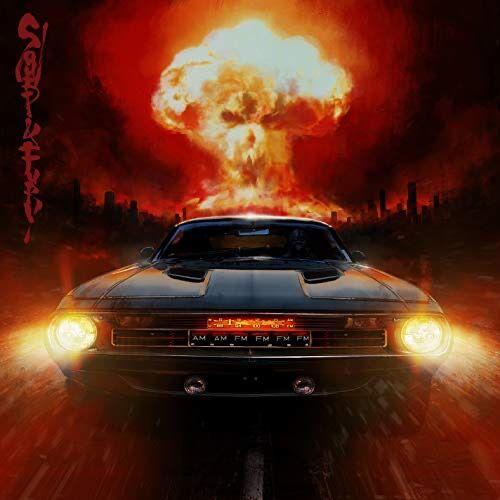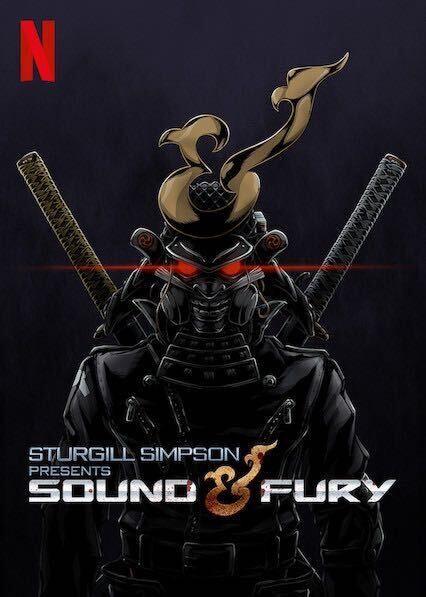
Some of the best music in the industry comes from a flash of inspiration, a complete U-turn from a musician’s comfort zone. When things get weird, there’s bound to be something great in the works. Sturgill Simpson’s “Sound and Fury” is no exception, featuring some of the most sick rock/synth beats offered in a long time, not to mention the album’s unlikely artist. As the anniversary of the album’s launch has just passed, it’s time to give it another listen and bring it back into the light.
It’s been just over three years since Grammy award-winning country artist Sturgill Simpson dropped “Sound and Fury,” arguably his most standout album among a slew of pretty standard country songs. The album features a style of music that has been neglected for years, and Simpson attempted to lead the charge on bringing it back. His album hasn’t garnered nearly as much popularity as it should have, so it’s worth rediscovering. While Simpson has staked his claim in the music industry in his own right, there’s something special about “Sound and Fury.”
Simpson is mainly known for some of his relatively generic country music that doesn’t quite hit the mark. However, “Sound and Fury” is a complete departure from his usual style and is incomparable to his other works. It represents what it means to truly enjoy producing something you love, and the raw emotion that comes with it. Simpson claimed that much of his inspiration had come from various artists such as Black Sabbath and Eminem.
Most people even have difficulty nailing down just what genre “Sound and Fury” actually represents. Simpson’s main motivation was to create an intense trash talking album that sets an epic, hardcore sense of scale with mind-blowing rock and synth. He used a lot more profanity when commenting on his initial vision. The trash talk is especially apparent in the songs “Good Look” and “Mercury in Retrograde,” which artfully convey Simpson’s feelings about the music industry, and his cynical views on various topics, politics included. His first track, “Ronin,” literally opens with Alex Jones ranting about nonsense on the radio, suggesting Simpson’s less-than-enthusiastic opinion on today’s general discourse. In the album’s accompanying anime, this initiates the beginning of a lone samurai’s journey through a dystopian wasteland, symbolizing society’s regression into degeneracy.
Oh, did I mention there’s an entire anime to complement the album?
Simpson didn’t just stop with producing a killer album. He worked with Japanese animation studio Kamikaze Douga, who you might recognize from their work on “Jojo’s Bizarre Adventure,” “Batman Ninja” and their contribution to “Star Wars: Visions.” I can’t stress enough how absolutely stunning this animation is. It’s difficult to think of the words to describe it. It’s extremely strange, flashy, and on top of it all, funky.
The anime follows a samurai on their quest for revenge. Traversing the wasteland, the stylized animation shadows the peculiar rock beats perfectly. The narrative jumps around from here, portraying some more macabre scenarios for the slower songs. The meaning of the Netflix special becomes so obscure it’s difficult to attribute an interpretation to what you’re watching. And rightfully so, it adds to the charm. Be sure to stick around after the credits, as the anime closes out with an epic finale to the tune of “Fastest Horse in Town.”
The highlights of the album undoubtedly include “Sing Along,” “Good Look”and “Remember to Breathe,” the most popular tracks. The lyrics in these are enthralling, the feelings they convey are intense, and they hardly disappoint. The accompanying animations are also some of the best Kamikaze Douga has to offer.
The best way to experience the album for the first time is through its thrilling Netflix special, so hit play and dial it up to 11 to listen to some of the best Sturgill Simpson has to offer.