“Graceful, convenient living.”
That is how brochures from 1966 described the Presidential Halls complex to incoming students.
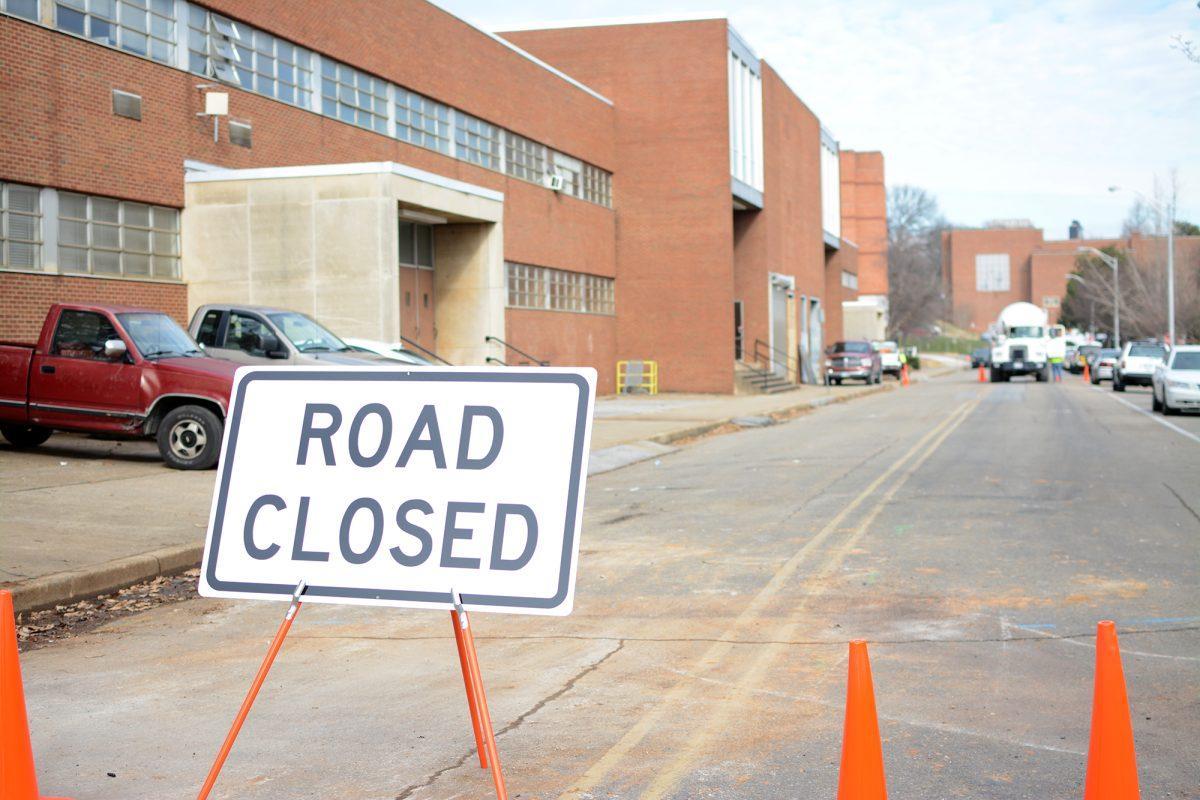
Now, nearly 50 years later, Reese, Humes, North and South Carrick, Morrill, Apartment Residence Hall and recently acquired Shelbourne Towers are all scheduled for a five-year redevelopment process. Shelbourne is already being prepared for demolition.
Pending approval by the State of Tennessee and Board of Trustees, the multimillion dollar project will likely change the way students experience on-campus life, especially Presidential Court.
A social hub for many freshmen, the square has witnessed decades of UT traditions and events, providing a place for students to make friends they may not otherwise have met.
Jerry Adams, associate director for university housing, said Presidential Court has played host to numerous events, such as Greek Week, Smokey’s Howl and even a go-kart course courtesy of Dining Services.
“Building some type of community when you get here, meeting people from all across the state of Tennessee is important,” Adams said. “You meet people not just from Tennessee but all across the U.S.”
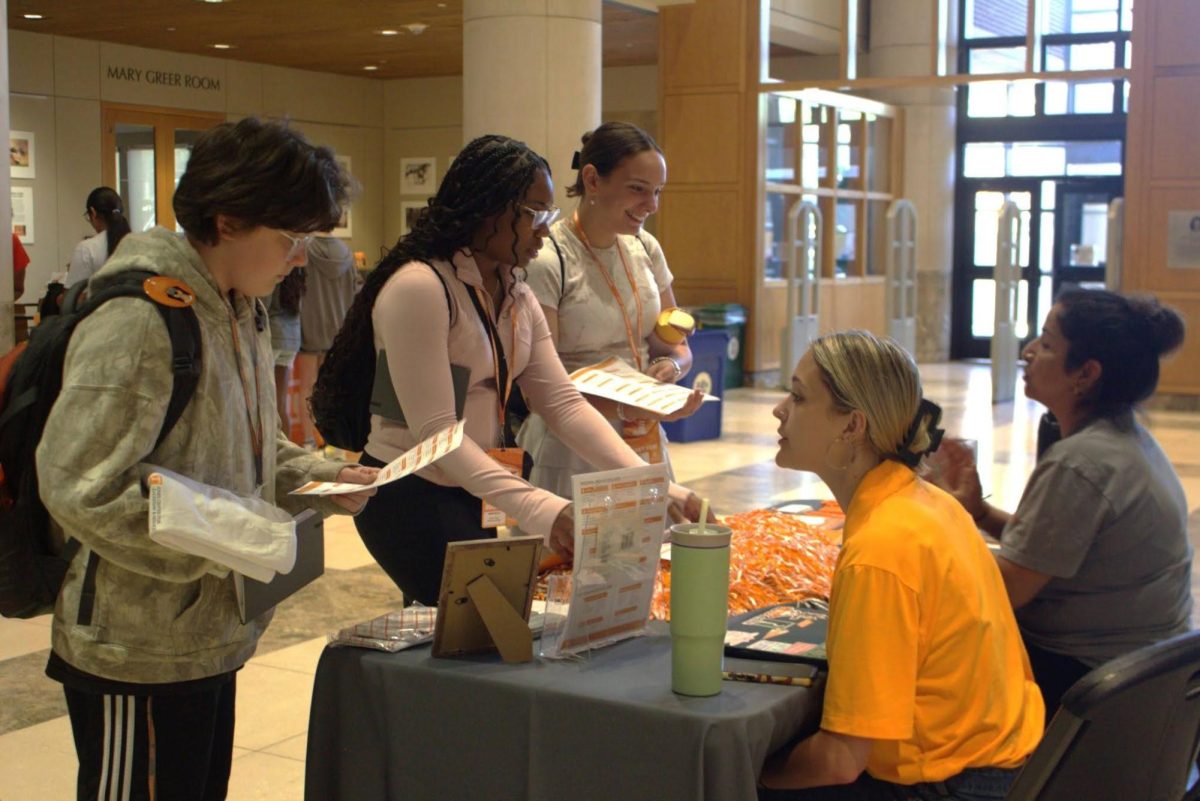
The wide open space of Presidential Court offers a place to interact and meet new friends, as John Burnam, junior in physics and computer science, did last Saturday.
Promoting his group, Society of Physics Students, Burnam and others brought the fun of science to their colleagues simply by being in a central location.
“Half these people I didn’t know before an hour ago,” Burnam said. “We’re a group now.”
Community gathering locations, in Burnam’s opinion, are an invaluable part of the college learning experience.
“I think community areas like that are very important just for student life in general,” he said.
Plans for how exactly Presidential Court will change have yet to be finalized, but Director of Housing Frank Cuevas said designs will include the green space students have been requesting.
Proposed designs will do away with much of the courtyard’s signature concrete architecture, replacing it instead with greenery and walking paths, Cuevas said. The new Court will be transformed to a smaller, park-like area, and have a diminished role from what it was in the past.
Each new residence hall will have its own smaller, greener courtyard, where each hall can focus on fostering community growth, Cuevas said, with the overall goal to create student housing that is more “a village, community concept.”
“We really want to transform that whole part of campus, and give that part a different feel,” he said.
Melrose Avenue may be extended into Presidential Court, but will be open only to facilitate traffic on move-in days.
Acknowledging the headaches this type of construction inevitably brings, Adams said he hopes students understand the long-term benefits of revamping Presidential Court.
“We just need new amenities for students, a fresher look for students,” Adams said.
“It just makes Tennessee a more appealing place.”