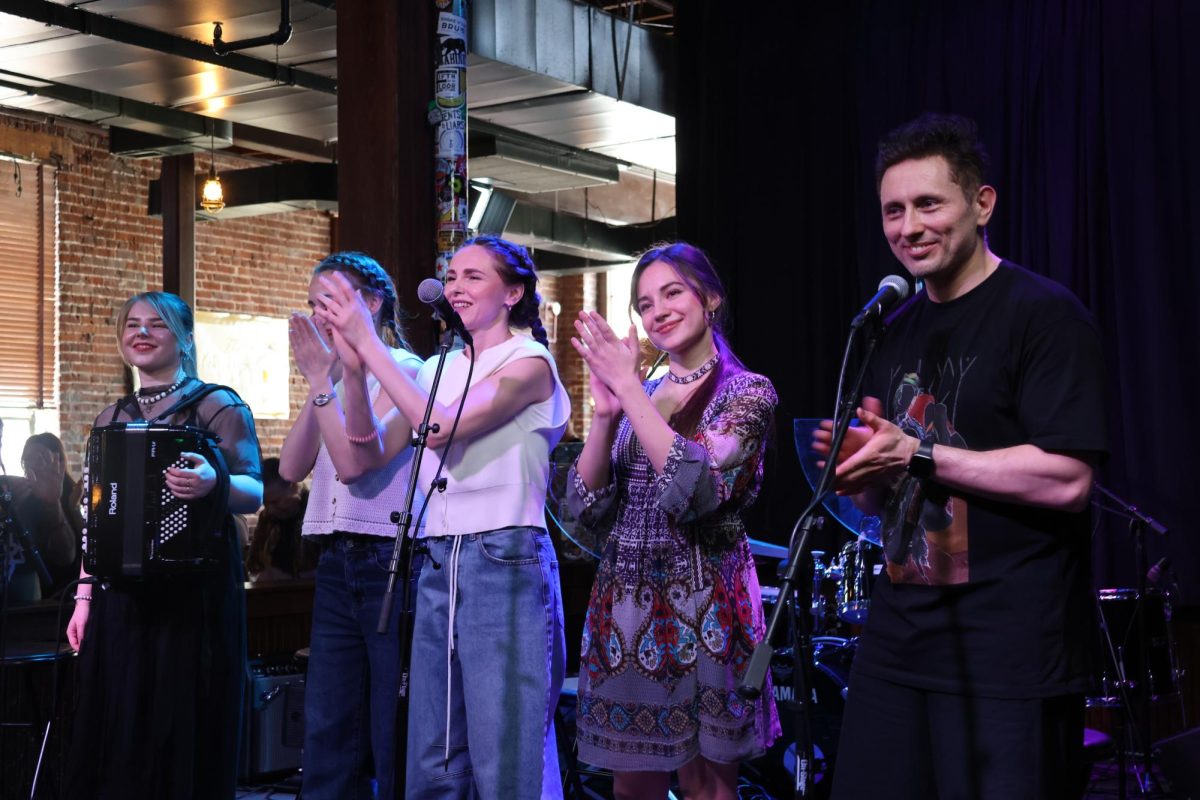
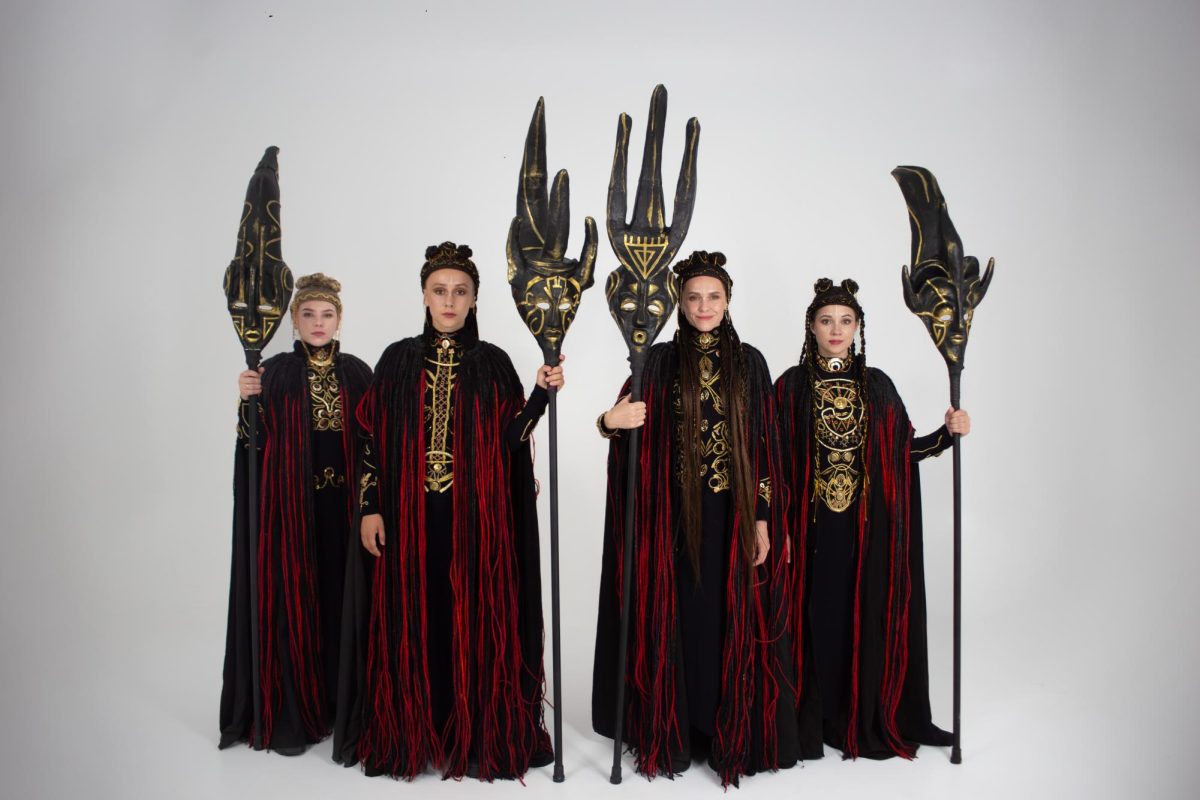
Knoxville became a hotbed of musical invention, restored classical melodies and renowned musicians at AC Entertainment’s third edition of Big Ears on March 29-31.
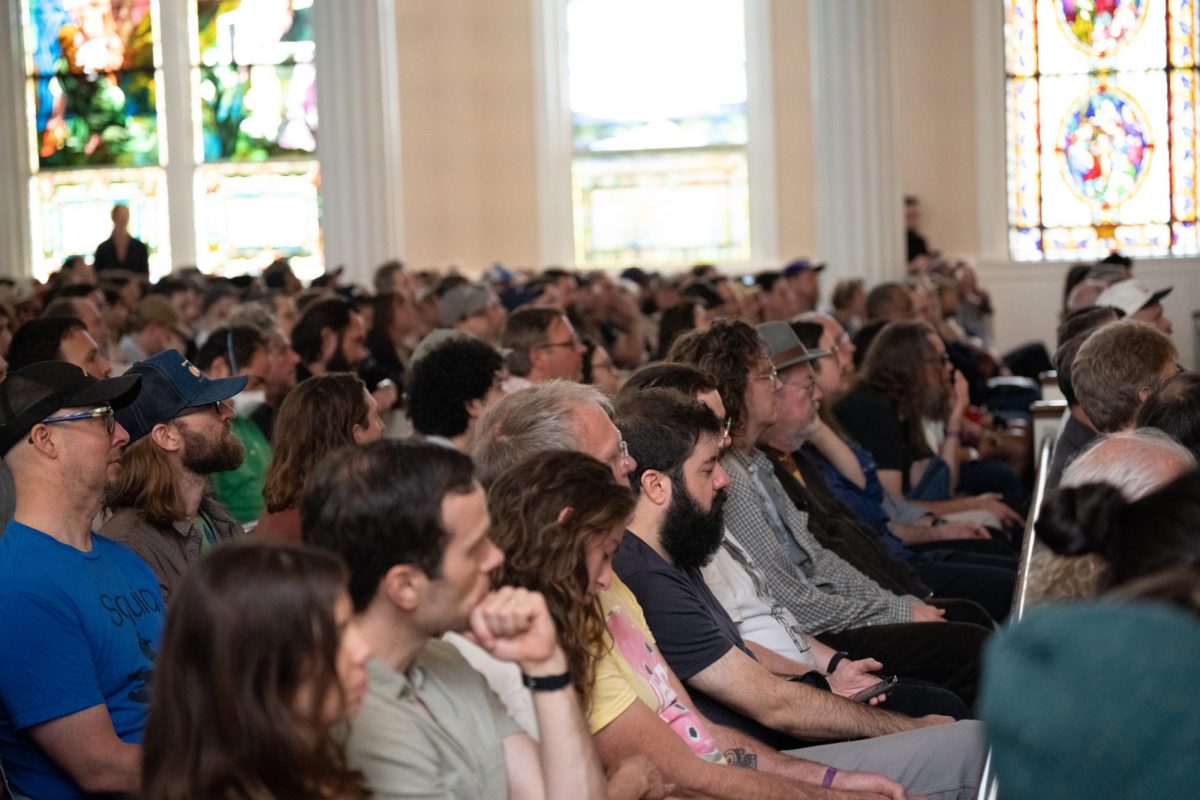
The festival, which included headliners Steve Reich, Television, John Cale and Jonny Greenwood among others, brought more than 2,000 people to downtown’s many venues, including the Tennessee and Bijou Theatres, The Square Room, Scruffy City Hall and the Knoxville Museum of Art.
The three-day ode to musical experimentation kicked off with a launch party at KMA featuring words from Reich, AC Entertainment founder Ashley Capps and Mayor Madeline Rogero.
“The music you’ll hear during Big Ears is not necessarily music you associate with southern Appalachia,” Rogero said to the audience at KMA. “But Big Ears suggests open minds, a willingness to encounter and engage with new ideas and different perspectives.
“In our own way, that’s what you’ll find in Knoxville too.”
While some locals perused the festival’s diverse offerings, many of the attendees came from other parts of the U.S.
The attendees weren’t the only beneficiaries of the festival’s expansive vision. Rogero mentioned that part of the reason she like Big Ears was because of the “great sense of community it generates” among downtown dwellers and businesses.
The Square Room, housed behind Cafe 4 on Market Square, hosted a day of Big Ears shows and activities. Megan Lange, who worked hospitality for the venue over the weekend, sees Big Ears as a means of pushing Knoxville further towards being a city of musical breakthrough.
“We have so much potential and so much desire for good music that we just have to push the right combination of buttons to get it,” she said. “Big Ears brings in stuff that we would not have access to otherwise.
“That’s a great way to stretch us as listeners, to stretch the city.”
Capps seems to hope the same for Knoxville, the city that he has been actively involved in since he owned a nightclub in the late 80s called Ella Guru’s. His vision for this year’s festival centered around what he calls the “fertile, renaissance time” of music in the 60s and 70s – and connecting it with present-day musicians.
“So much of the music that was created and the ideas that emerged during that period continue to inform and inspire artists and musicians today,” Capps said at the launch party. “I would go a little further. … I think we’re in that period right now.”