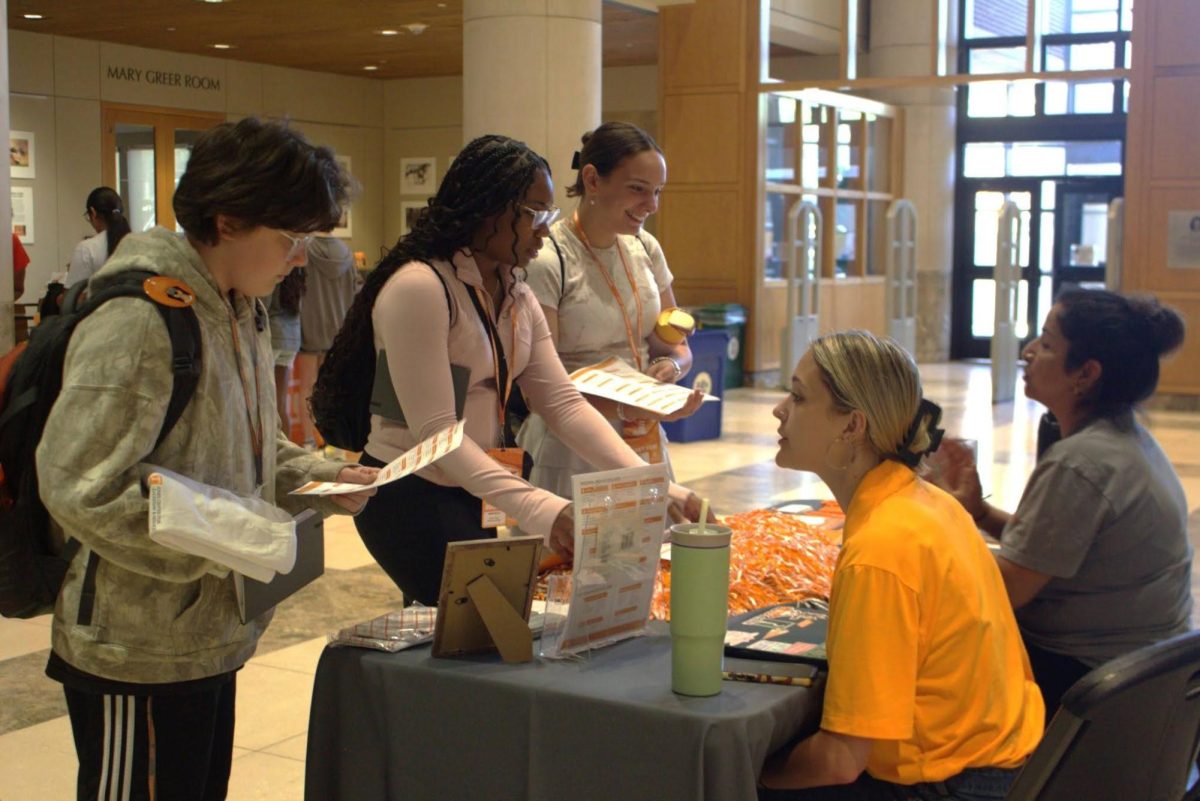
Students now have a choice about how the money from their student activity fee will be used.
Students can’t avoid paying the $20 fee, but they will be able to “opt-in” with their fees to support the programs they most enjoy.
The student activity fee partially funds many student facilities, organizations and events each year, such as the new Student Health Center, TRECS and The Daily Beacon.
The change exempts the Health Science Center and Martin campuses as no student fees there go toward student programming.
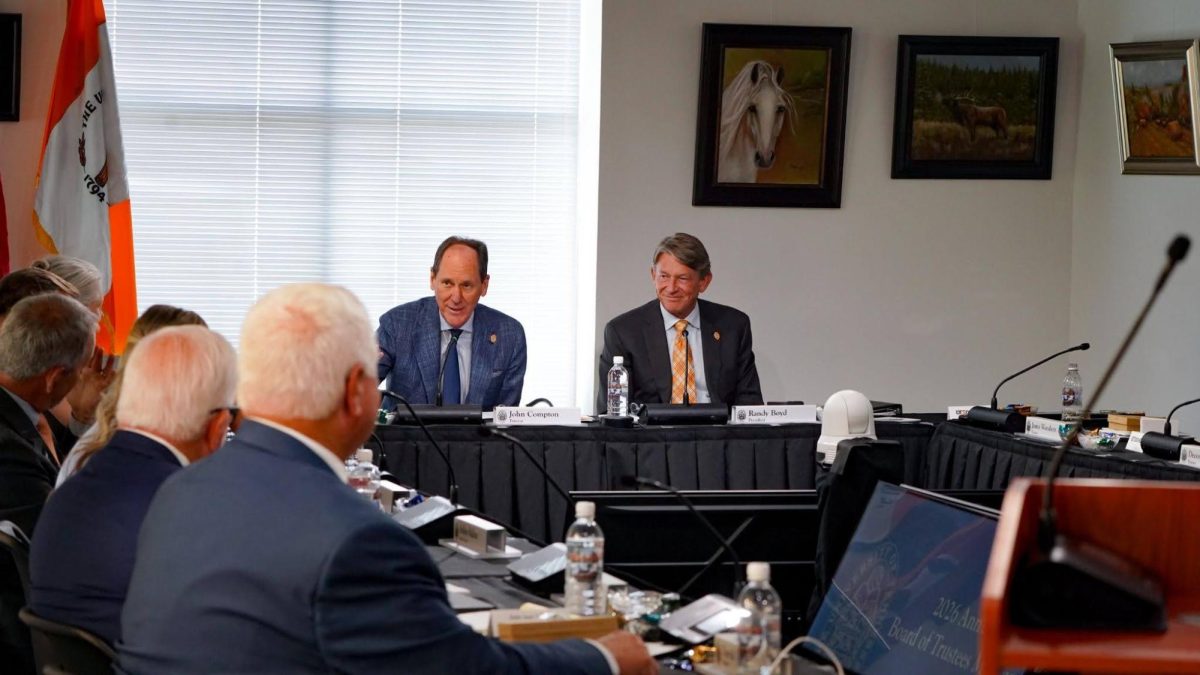
For all other campuses in the UT System, the new process for student fee allocation will consist of a board with only 40 percent student representation with the other 60 percent employees appointed by the Chancellor.
The Board also added a “sunlight” provision that will allow the new process to expire after four years so long as no other action is taken by the Board.
The change was requested by UT President Joe DiPietro after Senate Joint Resolution 626 ordered the university to change the fee allocation process and report back within a year.
The University was threatened with reduced funding by the Tennessee General Assembly after the second annual “Sex Week” – a yearly event organized to educate students on sexual health and empowerment – on the Knoxville campus.
State sen. Stacey Campfield, R-Knoxville, introduced two bills that would have severely limited how student activity fees at all post-secondary schools could be allocated, but withdrew them after administrators agreed to work with the Assembly and revamp the process themselves.
During the Finance and Administration Committee hearing on June 18, Trustee Karl Schledwitz expressed his opposition to the new process, despite ultimately voting for the change himself. While Schledwitz said he disapproved of the process the Assembly took, he admitted the Board was left with few options when threatened with budget cuts by the state.
While he said he was not concerned with issues of censorship, Schledwitz added that the new procedure is akin to “putting handcuffs on a process that didn’t need them.”
“I just don’t like the notion of people controlling the purse strings,” he said, “(and) making attachments that border on controlling the freedoms that come with expressing opinions and bringing in diverse groups.”
As a student majority on the board is now impossible, it is possible that certain programs may no longer be funded.
Chattanooga SGA president Robert Fisher – the only student who provided feedback to the Board during the meeting – identified his three major concerns with the change: the opt-in measure itself, the lack of student representation in allocation of fees and the now unclear amount of funding for student organizations.
Students have through the first day of fall classes to indicate whether or not they will opt-in, meaning that the amount of money available for student programming will remain unclear for some time.
“The funding model now is a bit tenuous,” he said. “We don’t know exactly how much money we’re going to have to spend on student programs and that continues to be a challenge.”
As for Sex Week in 2015, Nickie Hackenbrack, senior in biochemistry, cellular and molecular biology, and organizer of Sex Week, said that her organization is still planning to apply for money, though they are also looking for outside funds.
With less money to draw from, Hackenbrack said she is worried that even organizations with a “wide range of perspectives” may be hurt.
“Our events facilitate discussion and make way for the diversity of viewpoints on this campus,” Hackenbrack said, “And we’ll have a difficult time creating quality programming or bringing in qualified outside speakers with a shortage of funding.”