It was a call from the governor just five years ago that sent Vice Chancellor for Communications Margie Nichols running down the hallway from her office to Chancellor Jimmy Cheek’s. Cheek laughs, looking down slowly and smoothing his tie as he recalls the first time he heard of the Top 25 initiative, Gov. Haslam’s academic campaign which would come to define Cheek’s first five years as chancellor. Joining the administration amid a devastating 2009 budget crisis, Cheek took leadership of a university still reeling from the shock of an impending $66 million budget cut.
Today, state funding continues to dwindle and the effects of major cuts are still apparent. UT is still suffering from a tight budget while charging ahead toward national ranking glory. The university currently sits at spot 47 on the U.S. News and World Report’s annual ranking.
Reflecting on the university’s accomplishments over the last five years, Cheek’s demeanor visibly softens.
“I’m real happy with where we are,” Cheek said. “It’s been a real great experience.”
The Daily Beacon: What was the thought behind introducing Top 25 in the midst of the 2009 budget crisis?
Jimmy Cheek: The whole reason for all of this was to get ourselves focused not on what our budget cuts were, but to focus on our future and what we needed to get accomplished for the students who come here … When we look [back in] five years, we need to make sure we have been good stewards of our responsibility to make the University of Tennessee better. And if I were to look around today, I would say we have a much better institution than we had five years ago.
We have increased our fundraising, we’ve increased our national visibility and we’ve increased our national competitiveness on hiring great faculty. We continue to attract superb students. The one measure that we have met on the Top 25 goal is the quality of our students. They’re in the Top 25, so we’re real proud of that.
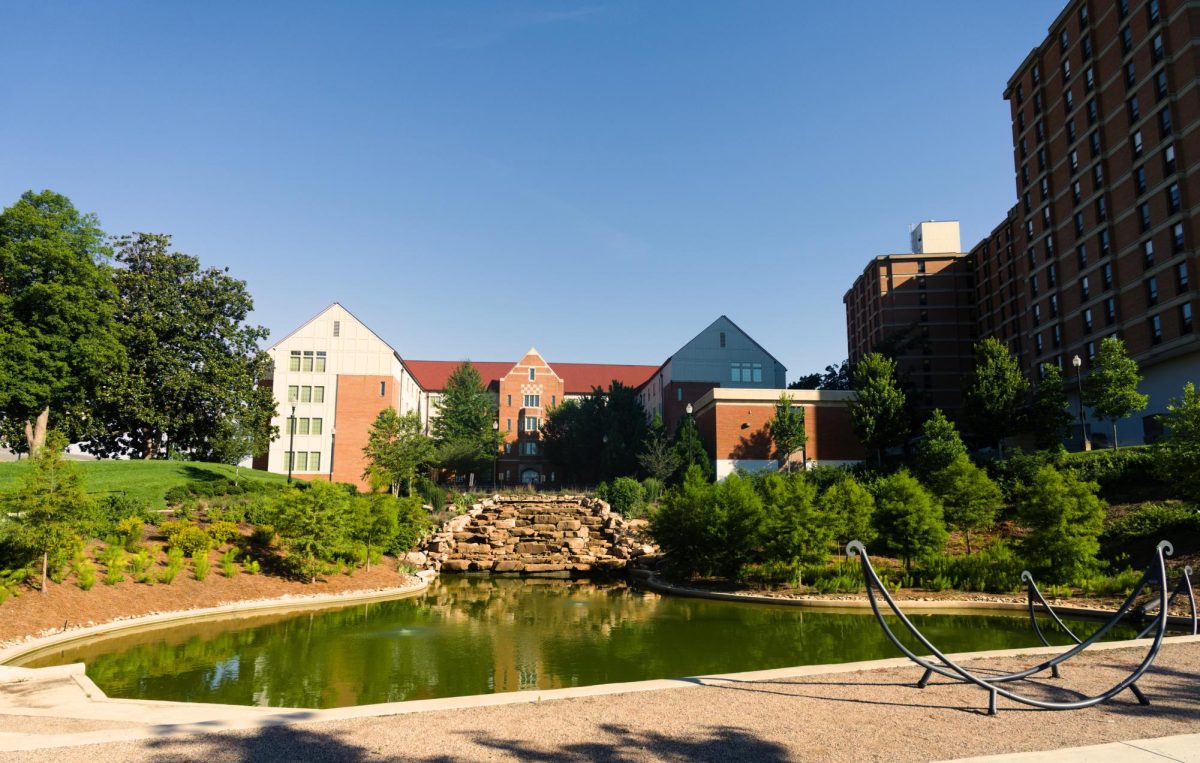
We’ve increased graduation rate 9.5 percent; we’ve increased retention rate to 86 percent. We have graduated more students than we’ve ever graduated before. We have the largest freshman class in the last 30 years coming this year … And today I was just at the first residence hall we’ve built in 45 years, Fred Brown Jr. Hall … When I walked into it, it’s just … unbelievable.
TDB: Where does the power behind Top 25 come from?
Cheek: What really makes a difference is if you can implement things. If you see positive things happening, you begin to say, “Yeah, this is a real movement.”
Margie Nichols: Part of it is focusing. There’s a focus of our energy. So everything we do is about “will this get us to the Top 25?”
Cheek: If it’s not related in a significant way to help us be better, then we’re not going to put money into it. Everybody always wants more money, but you’ve got to strategically target it. In the last three years we’ve been able to give a significant raise to faculty and staff. They hadn’t had raises in four years until that point in time. We could have done something else with that money, but we felt like that was an important thing. If you’ve got good people, you want to reward those good people, those great people.
Cheek also noted the beautification of campus, a stronger partnership with Oak Ridge National Lab and a stronger relationship with Y-12, 13 new Governor’s Chairs, the introduction of the Bridge program with Pellissippi State Community College (which will have 200 members this year) as well as the One Stop, the completion of Sorority Village and the four-year graduation rate jumping from 28 percent to 43 percent. All these changes have occurred since the onset of Top 25.
In the absence of greater state funding, however, students have shouldered the weight of these projects in the form of tuition hikes and increased fees.
Cheek: If you want to be better, there’s got to be some investment made. So, students have also stepped up very strongly in support.
TDB: How do you navigate those situations where you may be at odds with the state, but are also partnered with them?
Cheek: There was a lot of concern about Sex Week … We brought our attorney with us and they brought their attorney with them … We just had to say, “on this issue, we disagree.” At the same time, we said, “we need more state support, not less state support for higher education.” If you look at our budget, $1.1 billion, the state provided about $180 million. So it’s less than 18 percent of our budget — still a very important part. And I will argue as long as I’m chancellor and after I’m chancellor that state support is critical to higher education… We’ve got to balance all those competing needs against what we need to do from a tuition perspective. But we try to be very accessible to students who can’t afford to come to the university.
TDB: Why should the state invest in us?
Cheek: Because the state needs the people that we educate working in the state of Tennessee. Fifty percent of our engineers still lie in Tennessee, 60 percent of businesses still live in Tennessee. We’re a major provider for the workforce. They need us to continue doing a great job educating young men and young women, and it deserves an investment in the university.
Nichols: An educated populace is healthier and saves you healthcare costs. They’re more productive. We will have new inventions and new creations and new intellectual capital. We educate the people of the state, and it’s really important that we have the resources … It makes Tennessee a better place to live.
TDB: What are you looking forward to this year?
Cheek: Excellent launch for the new school year, all the buildings are going to excite us… We’re holding the pancake dinner again. I always look forward to that in the spring. I just anticipate a very, very strong productive, successful year coming in front of us.