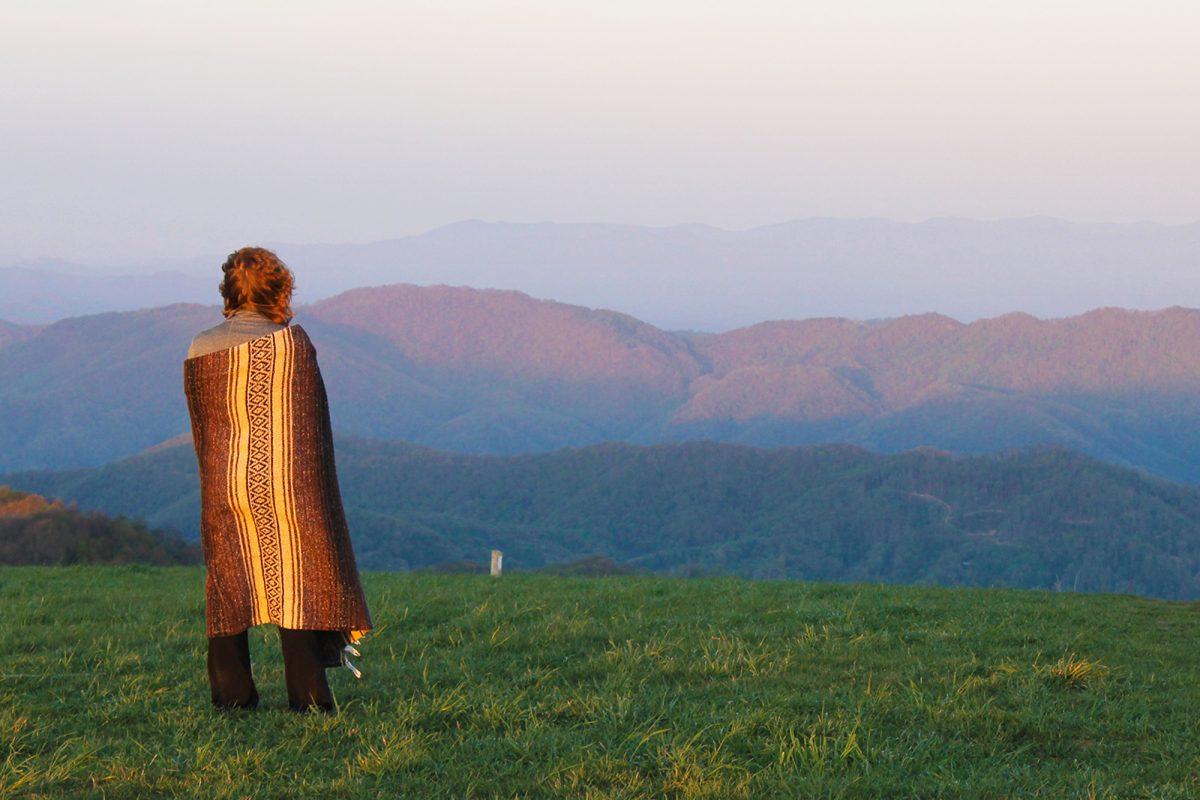
It’s a story more than a billion years in the making.
Home to more natural diversity than the entirety of NorthernEurope and home-away-from-home to more than 9 million visitors every year, theGreat Smoky Mountains National Park’s hazy peaks stand at the summit of theUnited States national park system. Since the early 20th century,the nation’s most widely visited recreation area has rested in Knoxville’sbackyard, begging residents to come out and play.
“Being able to experience this great, eastern forest is justsuch a unique experience,” Dana Soehn, park spokesperson, said. “You almost justfeel like you’re enveloped in this cathedral of trees that you may notexperience at some of the other parks out west. It’s just a different sort of aplace.”
Established in 1934, the current 800 square mile park encompassesa section of one of the oldest mountain ranges in the world. The Appalachiansstand sentinel along the eastern coast of North America, stretching 1,500 milesfrom Newfoundland to Alabama and climbing to 6,684 feet at their highest peakon Mount Mitchell in North Carolina.
The mountains tell stories of geological metamorphosis,earthshaking crust movement and battering forces of erosion. The 30,000 to80,000 plant and animal species scientists estimate reside in the Great SmokyNational Park tell the story of life seemingly uninterrupted by modernity. ForCollin Bell, staff member at the UT Outdoor Program, this biological story is whatbrings the beauty of the mountains to life.
“Take a look at this ceiling here. It’s all painted just onecolor,” Bell mused. “If you go outside you can see each individual blade ofgrass and that blade of grass has taken literally millions of years to evolve.You see the history of the world in everything you look at.”
The lands of Great Smoky Mountain National Park have borne witness to stories of hardship and struggle in a challenging landscape. They’ve set the scene for characters akin to fairy tale actors in their place in the American imagination – the mountain folk. Today, the park exhibits more than 100 historic buildings and sites, harkening back to the area’s time as home to the Cherokee and the settler alike.
This rich cultural resonance creates “a feeling of going home,” Soehn said. Cades Cove, a former settlement home to 708 citizens in 1900, allows visitors to step into another place and time and is one of the most popular destinations in the park. Of the approximately nine million annual visitors to the park, Cades Cove welcomes 2 million into the valley alone.
“I think the Smokies really does a great job of preserving the history of the area,” said Xan Pitzer, UT senior and communications director for the Outdoor Program. “It’s clear that Appalachian culture is very important to citizens of eastern Tennessee, western North Carolina and along the Appalachian Mountains.”
Unlike many of its western counterparts, Great Smoky Mountains National Park is a year-round recreational hotspot for activities including hiking, backpacking, camping, kayaking, skiing and mountain biking. The park receives most of its visitors in the months of June and July, 1.3 million and 1.4 million respectively in 2012. It is the fiery autumn displays of red, orange and yellow, however, that lend a special attraction to the park.
And as the leaves begin to turn, and the anniversary of last year’s government shutdown approaches, Smoky Mountain lovers are reminded of the 16-day October period when the park’s story was silenced.
October 1, 2013, the Great Smoky Mountains National Park, and every national recreation area in the country, shut its gates to the public. At the outset of the third busiest month of the year for the park, with an estimated 1.2 million visitors in October 2012, park officials like Soehn were forced to turn nature-seeking travelers away.
“As a Park Service employee, that was probably one of the most terrible experiences any of us will go through because we are used to inviting people into the park and sharing this special place with them,” Soehn said. “It goes against our nature to close people out and tell them that they cannot come in and enjoy the park, because this park is for the people, for their enjoyment.”
Congress has passed a continuing resolution to fund the federal government until December, so Smokies lovers need not fear missing the fall foliage this year. In fact, in a budget proposal for fiscal year 2015, the House Committee on Appropriations has recommended a small increase in federal spending for the National Park Service. The suggested $2.27 billion would increase spending by $31.8 million as part of the Service’s ongoing “Centennial Initiative.” The National Park Service will reach its 100th birthday in 2016.
For those like Soehn, Bell and Pitzer, the stories the Great Smoky Mountains have to tell are varied, but invaluable. They speak of a time passed when life was literally carved from the mountainside. They speak of the solitude of nature. And as the federal government prepares to recognize the importance of these stories through what the Obama administration calls an “historic effort to revitalize national parks,” it seems the park will tell continue to tell its stories for generations to come.