Finding a job is hard. Finding a job as a person with a disability is even harder.
Seventy-two percent of persons with disabilities in Tennessee are unemployed, and only 9 percent have a bachelor’s degree or equivalent.
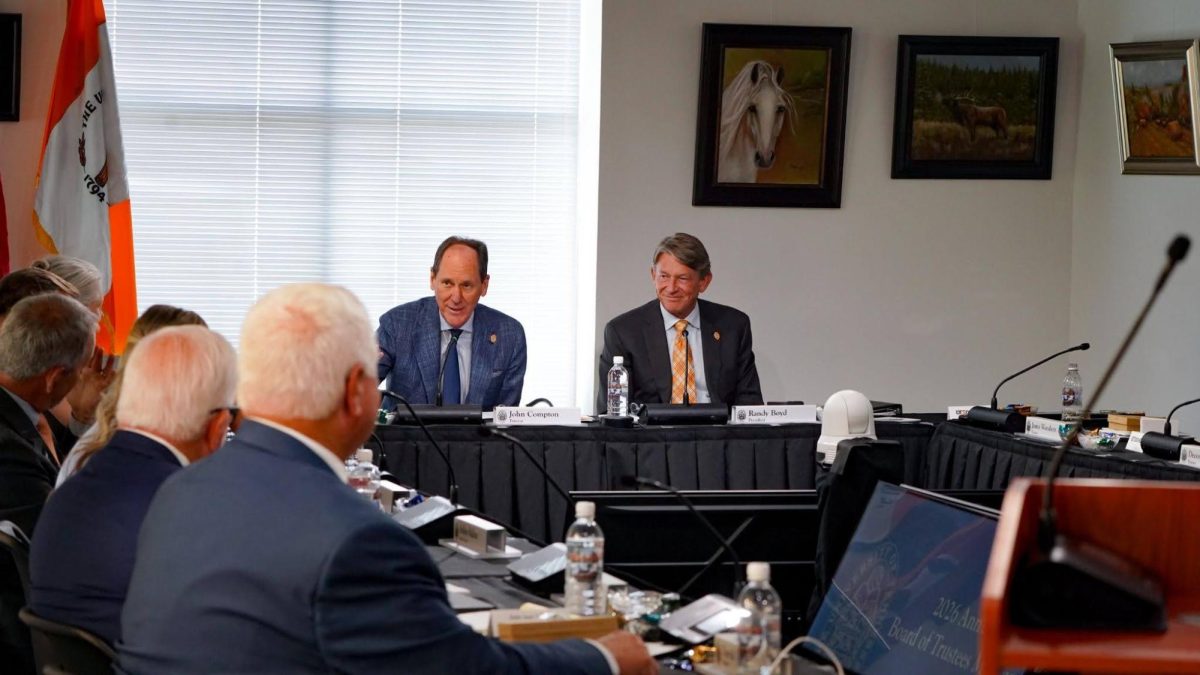
A panel of four professionals who work with disability services at the University of Tennessee spoke on the challenges students with disabilities face when entering their post-secondary education and the work force at the “Disability and Education Forum” on Monday, one event in UT’s “Disability Week.”
Though transitioning to college can be difficult for any student, as panelist David Cihak, program coordinator and associate professor in the Special Education Program, pointed out, the move can be especially daunting for persons with disabilities.
“As young adults leave high school, they make decisions about their employment, their continuing education and their living arrangements,” Cihak said. “These decisions may be facilitated by adults and parents, but usually stem from the interests and preferences of the young adult.”
UT offers many resources and accommodations for students with disabilities. Students must seek out services themselves and request assistance for their specific need.
LaKenzie Crawford, junior in chemistry who is visually impaired, said she has utilized many of UT’s services during her time on campus including note takers, lab assistants, increased test time and special computers with zoom text and screen readers. She said students must learn to overcome hesitant natures and build support for themselves.
“The most important part of getting a good education is being able to advocate for yourself,” Crawford said.
While there are currently 2,600 students with disabilities at UT, only 1,200 are registered with the Office of Disability Services. These services are available for any student with disabilities said panelist David Ndiaye, assistant director of the Office of Disability Services, but many students are simply not aware of their options on campus.
“We need to educate the masses about the services we provide, make ourselves seen,” Ndiaye said. “Increasing exposure will help attract new students.”
Panelist Craig Lemak, chief operating officer for the Knoxville Center of the Deaf, said networking could help increase awareness of campus resources for students with disabilities. By holding open house events and allowing students and staff members to interact, Lemak said, “the problems will take care of themselves.”
However, outside of post-secondary education, the panel acknowledged that finding employment for people with disabilities can still be a challenge. John Buckley, a retired UT professor in mass communications who is blind, said finding a job before coming to UT was incredibly difficult.
“The biggest barrier was simply getting the interview,” Buckley said.
To counteract the setbacks of entering the work force as a person with a disability, Ndiaye recommends students prepare in advance to be competitive in the job market.
“It is important to start as early as possible, work on your resume, get internships,” Ndiaye said. “That’s the best way to get employment.”
While there are many barriers still to overcome when searching for a job, Sue Buckley, John Buckley’s wife who is also blind, encourages students to continue striving for success and not let their disabilities hinder them.
“Don’t give up,” she said. “You will run into obstacles that will be disappointing. Know your own capabilities and strive for the highest that you want to achieve, because anyone who is driven and determined can do that.
“Shatter the beliefs of what people without a disability can imagine.”