No one deserves to go hungry.
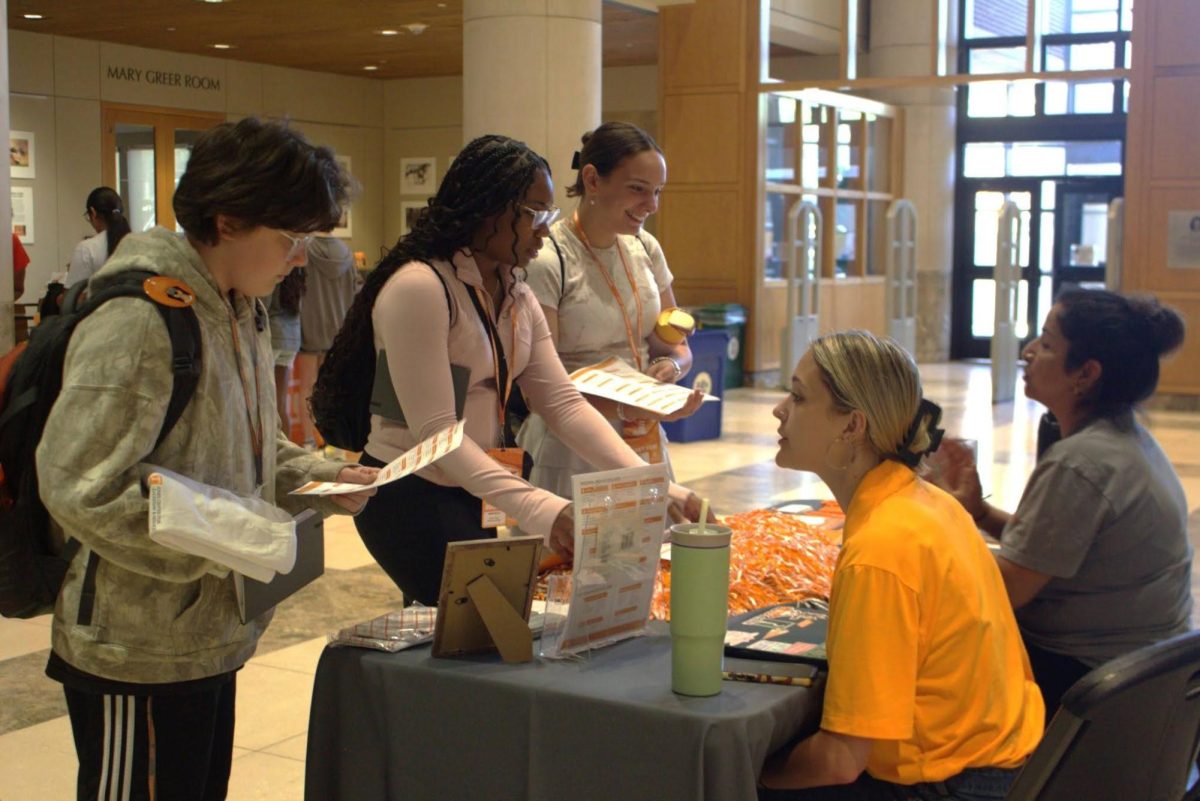
In an effort to combat hunger injustice, Oxfam America is hosting a “Hunger Banquet” Thursday at 5 p.m. in the Great Room of the International House.
With 100 free tickets available for the event, attendees will experience firsthand the daily reality of hunger inequality across the globe. Chosen at random, a small number of attendees will be seated at a table and treated to a three-course meal complete with china and silverware. Other visitors, however, will not be so lucky. The majority will be given only rice and beans without a table, or even just a meal of rice without a chair.
Catered by Chipotle, the meal will attempt to simulate the issue of food inequality by allowing attendees to experience it firsthand.
The dinner is one event in a series of programs for UT’s “Food Justice Week,” which aims to raise awareness about food injustice, hunger, poverty and sustainability.
Valerie King, senior founder and president of UT’s chapter of Oxfarm America, said she sees the banquet as an opportunity for students to gain an awareness of hunger issues. “It’s really a meaningful experience … whether you’re sitting on the floor or at the table it really changes your perspective about how you view poverty and hunger.”
King hopes the experience will also help shed light on the misfortune of others born into less favorable circumstances.
“You don’t get to pick your place in the world,” she said. “That’s what inequality is.”
For junior and “Real Food Challenge” task force member Miranda Gottlieb, the week of events serves as an opportunity to explore the issue of campus food and how it affects student body health. A member of the student-driven campaign RealFoodChallenge.org, Gottlieb works to insure university provided food is both organic and nutritious.
“Ask questions,” Gottlieb urged of her fellow students. “Where does my food come from on campus? Is there something that we’re lacking? Is there something that we’re doing right that we don’t know about?”
RealFoodChallenge.org is a student-driven campaign committed to redirecting 20 percent of the university’s food budget to “real and organic” food by 2020.
A key organizer of the events comprising “Food Justice Week,” Gottlieb ultimately hopes to get “people involved and not just feel passive about (eating) from ‘crate to mouth,’ actually thinking and being intentional about where these different products come from.”
Students can RSVP for the event online.