Money doesn’t grow on trees, even in Big Orange Country.
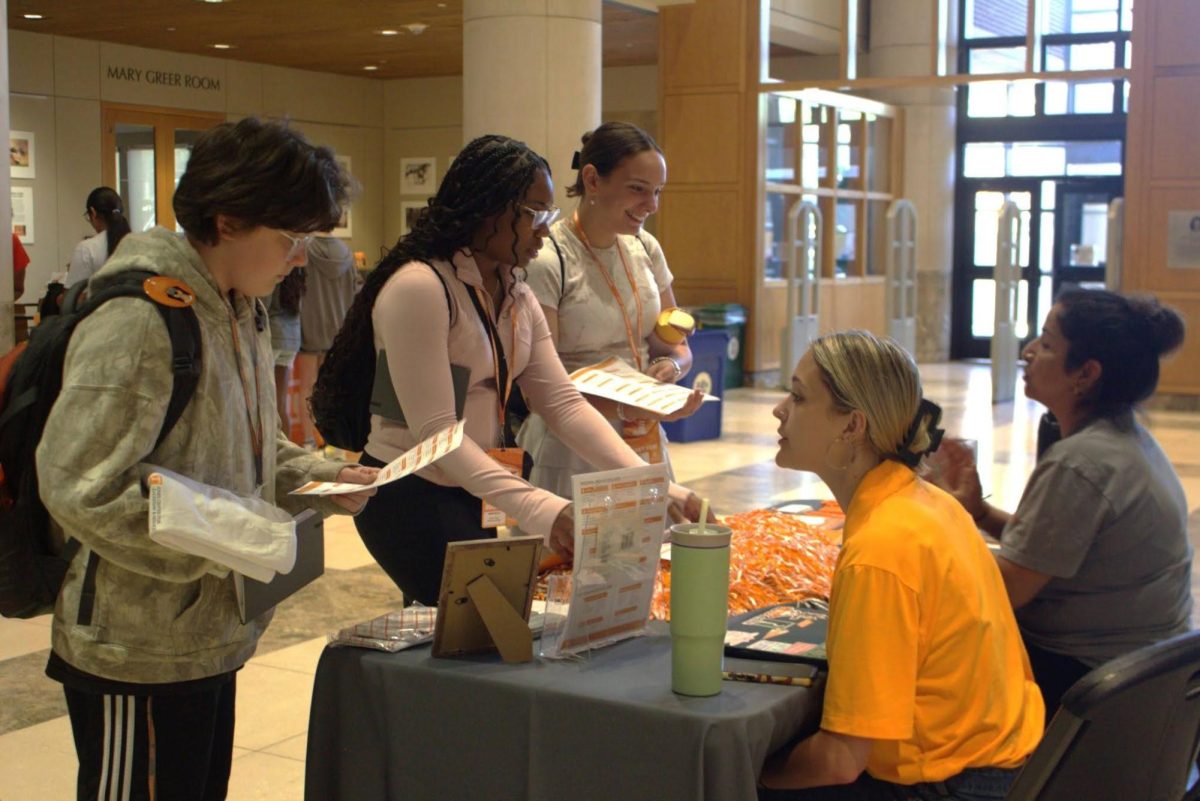
On Tuesday, Robert Naylor, representing the Progressive Student Alliance, and Nickie Hackenbrack, representing the Tennessee Student Union, met in the HSS building to discuss a potential rise in tuition cost and implore their fellow students to take a stand.
“Since 1985, tuition has increased nationally over 500 percent,” Hackenbrack, junior in biochemistry and cellular and molecular biology, said. “That’s absurd.”
Naylor’s and Hackenbrack’s ultimate goal is to create a multi-student organization and administrative coalition against raised tuition prices, a group they hope could halt budget cuts at the university and the state level that cause tuition increases.
“This issue affects everyone,” Hackenbrack said.
UT has experienced an average annual tuition and mandatory fees increase of 8.3 percent, according to the 2012 Tennessee Higher Education Commission Fact Book. Tuition increased from $8,396 to $9,092 in 2012-2013. UT has experienced an average increase of 124.2 percent during the past 10 years.
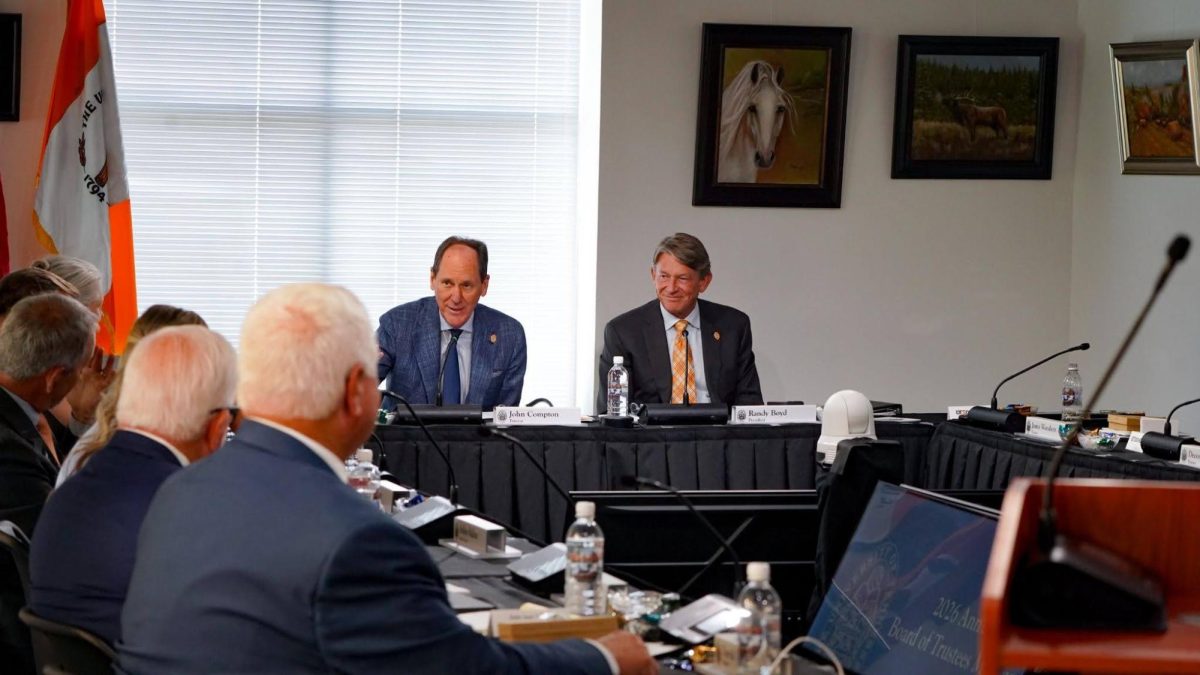
UT may see a 4-6 percent tuition increase for 2015, to be voted on at the June meeting of the Board of Trustees.
Hackenbrack credited tuition increases to budgeting issues which plague Tennessee Gov. Bill Haslam annually.
State revenue from the corporate franchise and excise tax fell by $215 million this year. In order to support the cost of Tennessee higher education, the burden was placed on the students, Hackenbrack said.
“We don’t think that’s fair,” she said. “We think that education should be the No. 1 priority of any state, especially Tennessee.”
Haslam amended his fiscal year 2015 budget to cut all new funding to public post-secondary schools, resulting in a $30 million loss for higher education.
Tennessee is one of many states receiving less state funding than in 2008, said Naylor, a junior in global studies.
“Tuition increases don’t just happen,” Naylor said. “We are decreasing funding, but the price of education is going up.”
Naylor and Hackenbrack insisted they are not trying to attack university administration, but instead claim they seek the attention of Nashville politicians.
“We are not trying to be at odds with administrators here,” Hackenbrack said. “It’s the state’s fault this is happening.”
Christina Gore, freshman in environmental studies and representative for College Democrats at Tuesday’s meeting, commented on the wavering attitudes of the state capitol, saying current educational funding issues conflict with Haslam’s heavy emphasis on education during his State of the State address.
The university budget will be finalized in June, and Naylor and Hackenbrack said they hope to continue networking and communicating between student organizations and organize more events throughout the summer.
Their first planned action is to participate in the Put the People First march on May 1 in Market Square. Marchers will trek from Market Square to Vine Middle School on MLK Boulevard to promote living wages, a halt on tuition increases and democracy.
Next year, Naylor and Hackenbrack said they hope to see a SGA resolution passed concerning tuition increases.
“The university is on our side on this one,” Naylor said. “[Chancellor Cheek’s] job is to fight for this money, and it’s really difficult, but we can actually work with the administration on this one. The administration here doesn’t have power to demand anything, but we do have that power.
“He shouldn’t have to do it alone. And if we don’t demand it, when are we ever going to get it?”