During the holiday season, movies generally follow one of two archetypes: they can either be big budget epics (such as “The Hobbit” or “Les Misèrable”) or kitschy family films overplaying a holiday theme. Refreshingly, however, “The Impossible” steps outside of these usual constraints and tries to create a deeper and more genuine experience.
Set during the Dec. 26, 2004 Indian Ocean tsunami, which took the lives of more than 250,000 people, the film follows the improbable true story of the Belon family as they try to survive in the aftermath of the storm.
Directed by Juan Antonio Bayona, who made a splash five years ago with the horror film “The Orphanage,” the story of the film itself is nothing original. At its bare bones, “The Impossible” is a family drama, centered on the strength of each member, as they battle adversity and nearly impossible odds. But it’s not the story that stands out, rather it is the movie’s acting and visuals that make it worth watching.
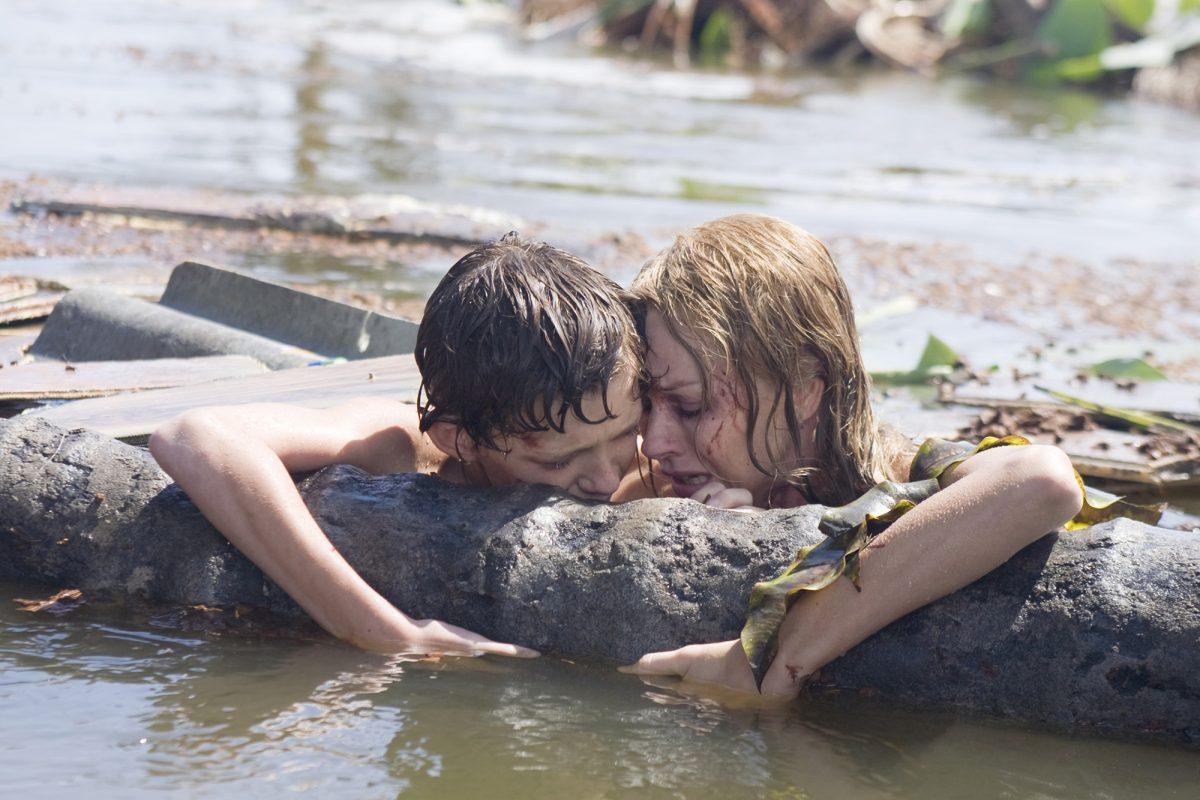
The leads are helmed by Ewan McGregor, who plays Henry, an affable yet distracted father, and the ever beautiful and talented Naomi Watts, who as Maria is a doctor turned stay-at-home mother of three boys. McGregor is merely passable in his role, but it is Watts and the young Tom Holland (who plays their 12-year-old son Lucas) who truly shine. Watts’ turn as Maria is nothing short of Oscar-worthy, as she combines a Herculean sense of motherly devotion with a healthy dose of grit and perseverance, keeping all eyes glued on her for the first half of the film (it also helps that Watts, like the US Postal Service, can work through sleet, rain and 40-foot waves while looking stunning in every scene). And as for Holland, his transformation from stereotypical angst-ridden preteen into a layered and maturing young adult is so believable and genuine that it almost doesn’t look like he’s acting.
Visually, “The Impossible” is easily the best looking movie of the year and its recreation of the tsunami makes the film the hands-down most realistic looking disaster film in a long time. Cinematographer Oscar Faura and Bayona did a magnificent job creating beauty out of chaos. Their finished product not only accurately portrayed what happened during the tsunami, but also managed to turn destruction into art.
With all that said, however, “The Impossible” is not without its problems. The script itself is weak, with the dialogue at times feeling forced and trite. Instead of taking the opportunity to try and use the uniqueness of the Belon’s situation to create a meaningful facsimile of what a real family would be forced to encounter in a life-and-death situation, screenwriter Sergio Sanchez drops the ball by sticking with clichés. Also, Bayona’s focus on the victims of the tsunami is too narrow at times. The only victims shown in detail are either Europeans or Australians, while the sufferings of the native Thai aren’t necessarily downplayed, but are merely absent from the story.
Ultimately, the film stands out in the crowded holiday movie season because it is a genuine film that stands to try and tell a truly impossible yet true story. Led by fine acting and stunning visuals and effects, “The Impossible” is a breath of fresh air among movies today.