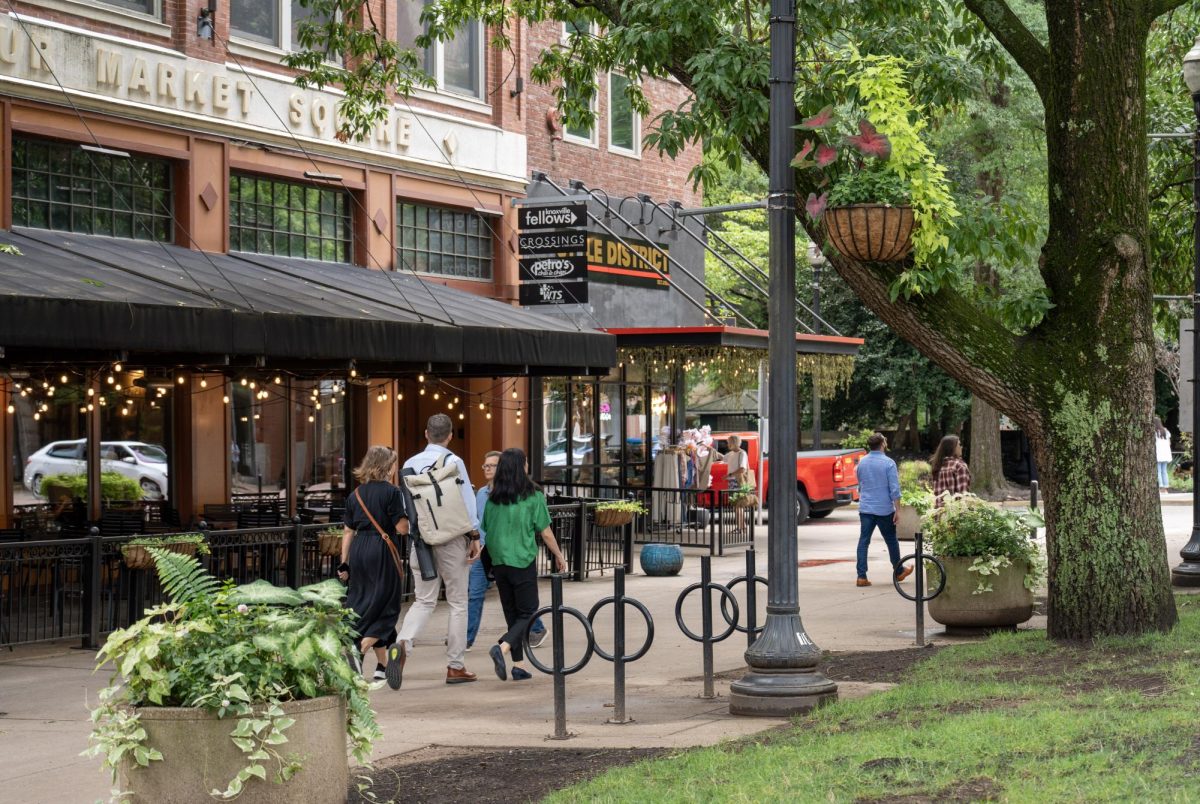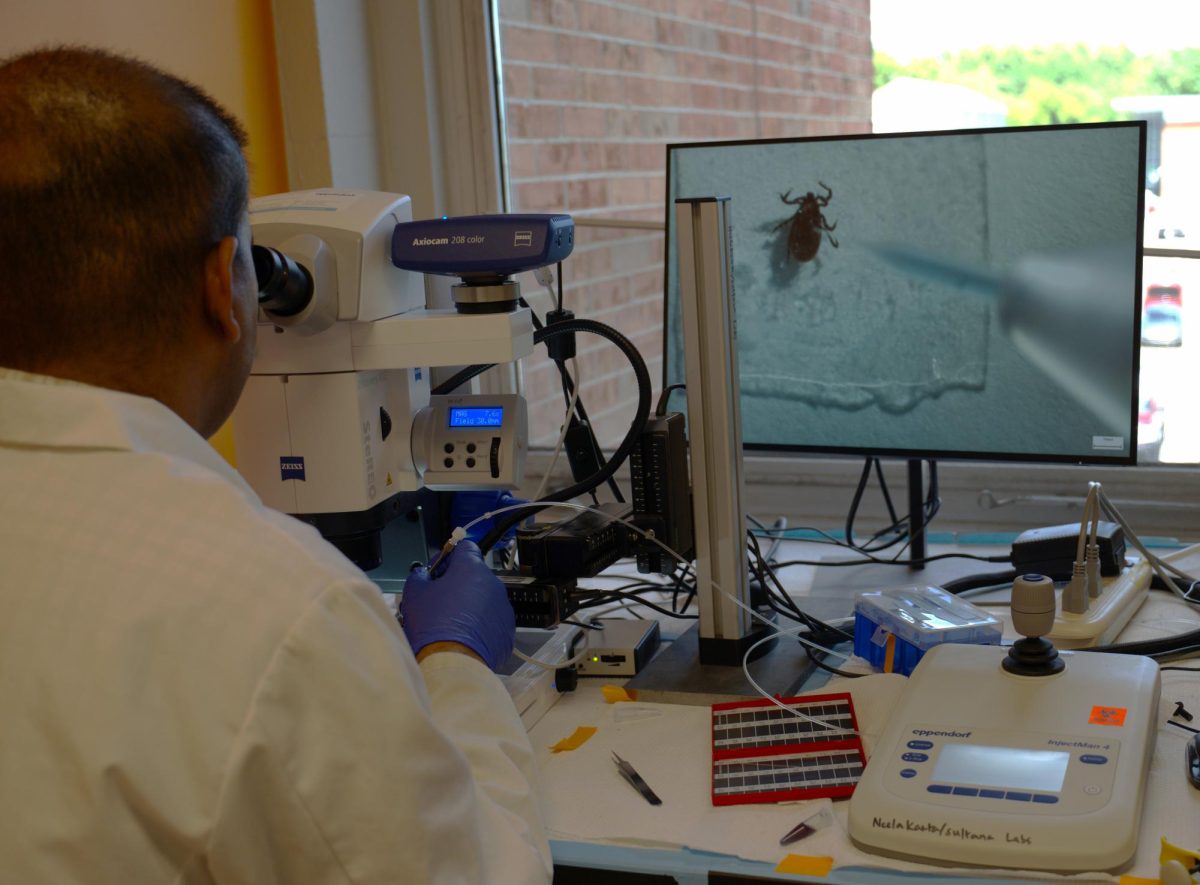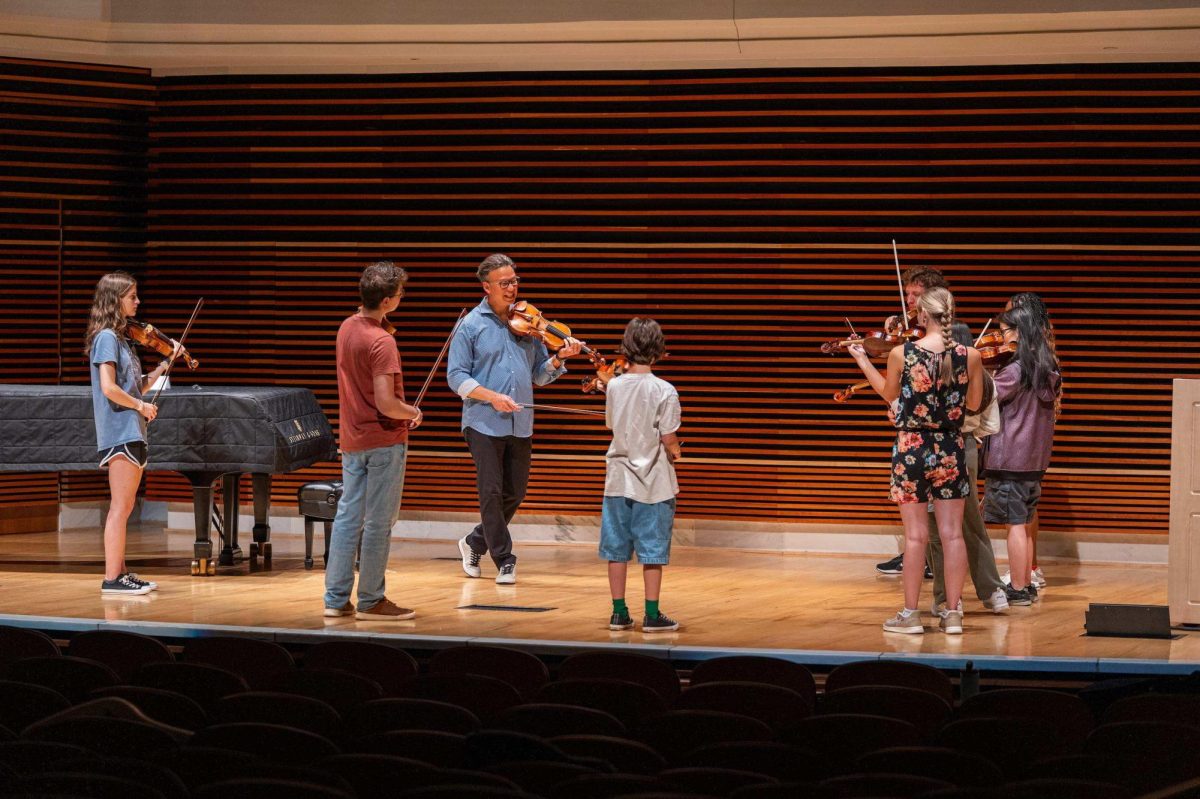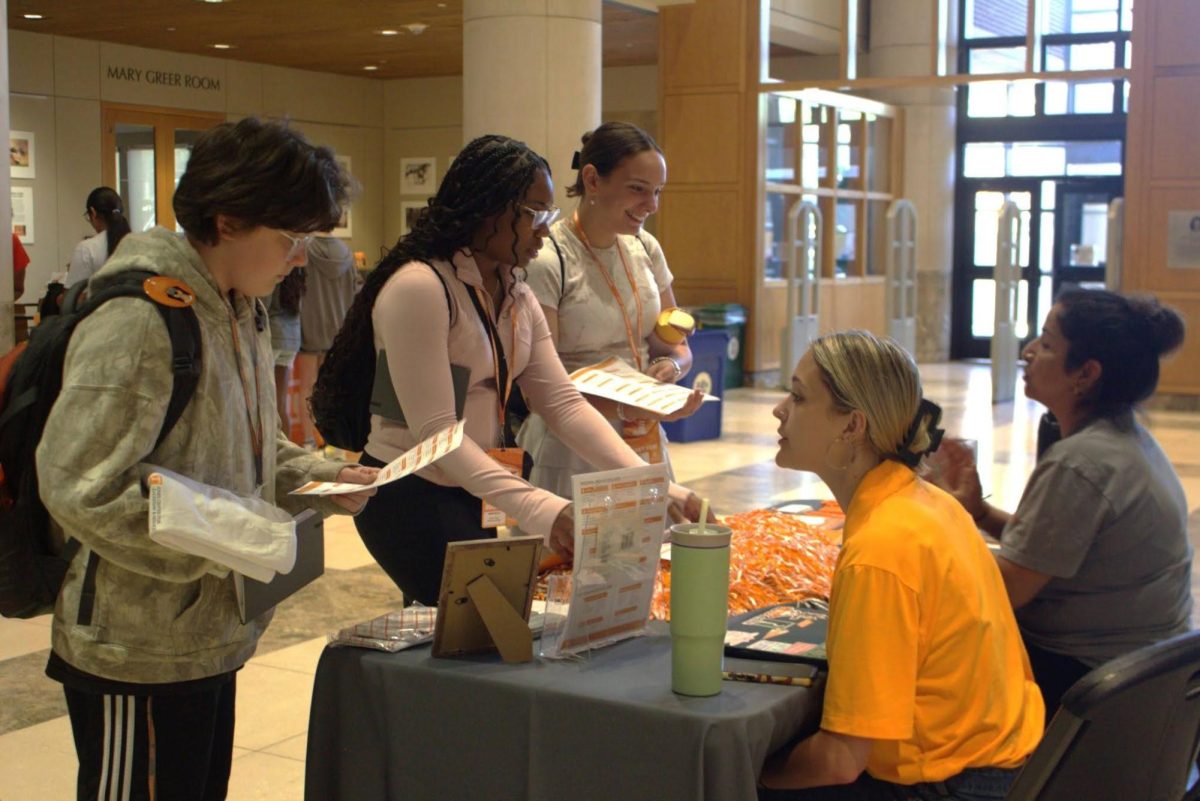
As the second week in July comes to a close, students taking summer classes are halfway finished with their second semester.
Many students choose to take summer classes during the mini May, June and July semesters.
“This was the first summer that I had decided to take classes,” Phillip Davis, senior in history, said. “I realized that, to graduate on time, I would need to take four more classes this summer to be able to finish up next spring.”
Some students like summer classes because they don’t last as long as classes during the Fall and Spring Semesters.
“I personally liked the fact that my summer class only lasted a month,” Jake Dorris, junior in pre-med and Spanish, said. “It was nice to only have to worry about it for a month, but it was intense as well. Although you were in class every day, you had to do the work of a five-month semester in a fifth of the time.”
An additional perk of summer courses is letting students focus on one class at a time if they choose.
“Since there wasn’t a minimum number of hours to take, I only took one class, so I could direct my time to focusing on one class,” Dorris said.
Students can take as little as three hours or as many as 12.
“I had to take four classes so I could get caught up on my hours,” Davis said. “Even though 12 hours is a bare minimum during the regular school year, it’s a lot harder to complete four classes in one month.”
The mini “May-mester” ran May 11 through June 1, the June session classes ran June 2 to July 6, and July session classes run July 7 and will end Aug. 9.
One drawback to summer school is the amount students pay for classes.
Since scholarships do not apply to summer school until the HOPE Scholarship becomes available next summer, the cost to students is much more than it would be during the regular semester.
“It cost me around $3,000 to take four classes during the June semester,” Davis said. “That cost is more than I paid for the 2010-2011 school year.”
Another great advantage to summer classes is the amount of free time students have.