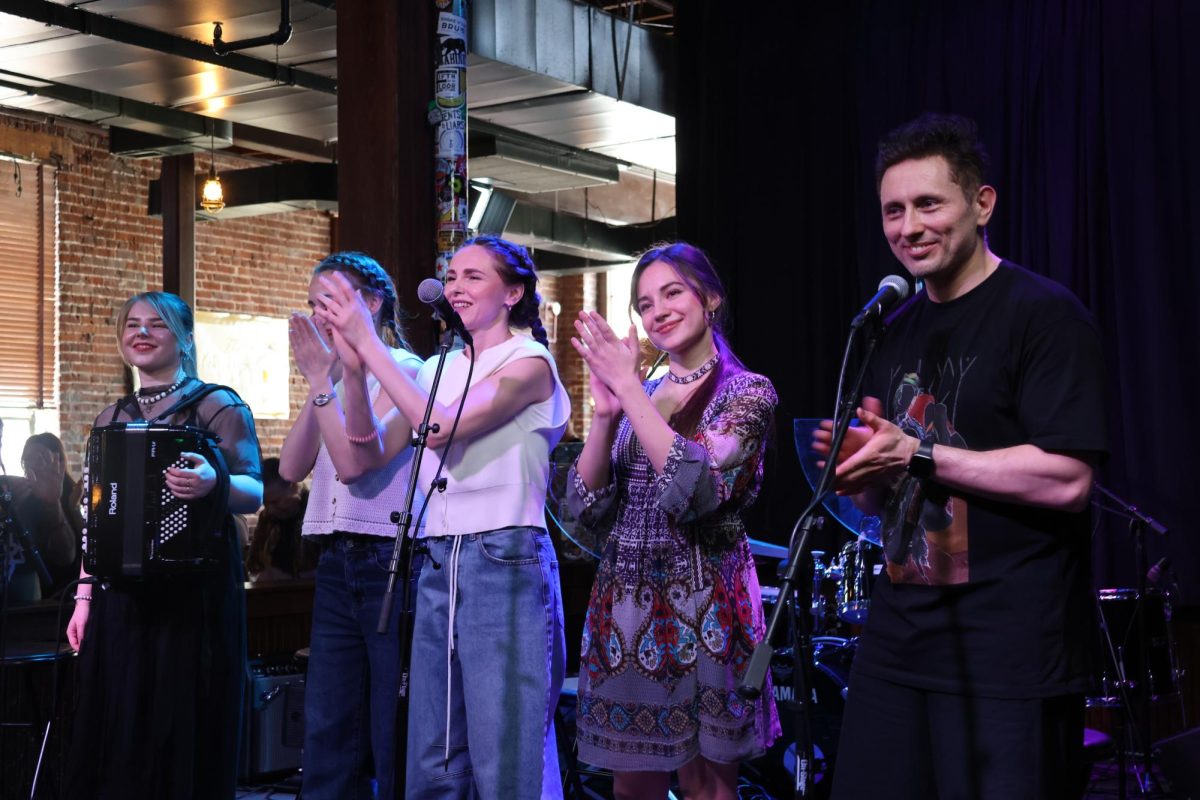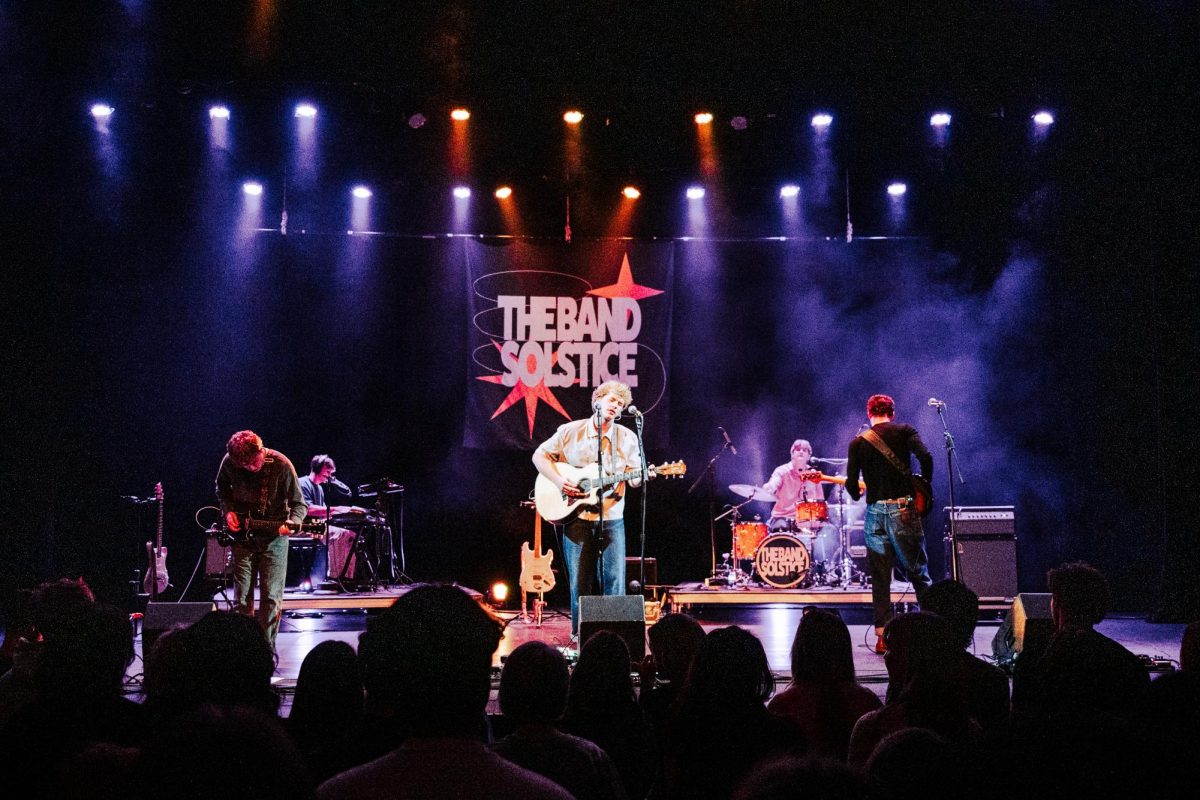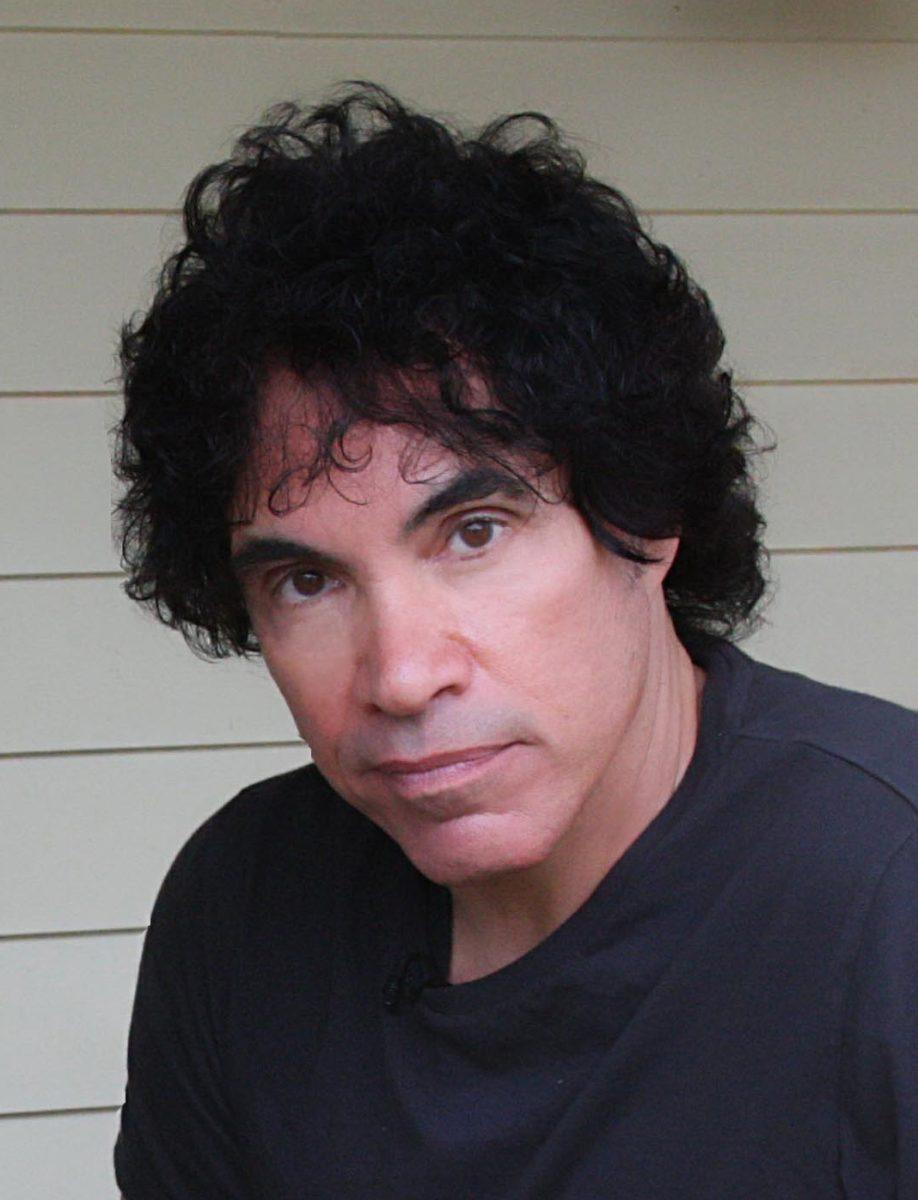
It was a concert that hailed the introduction of the new John Oates, a man who perhaps was the same all along, but people just weren’t paying close enough attention.
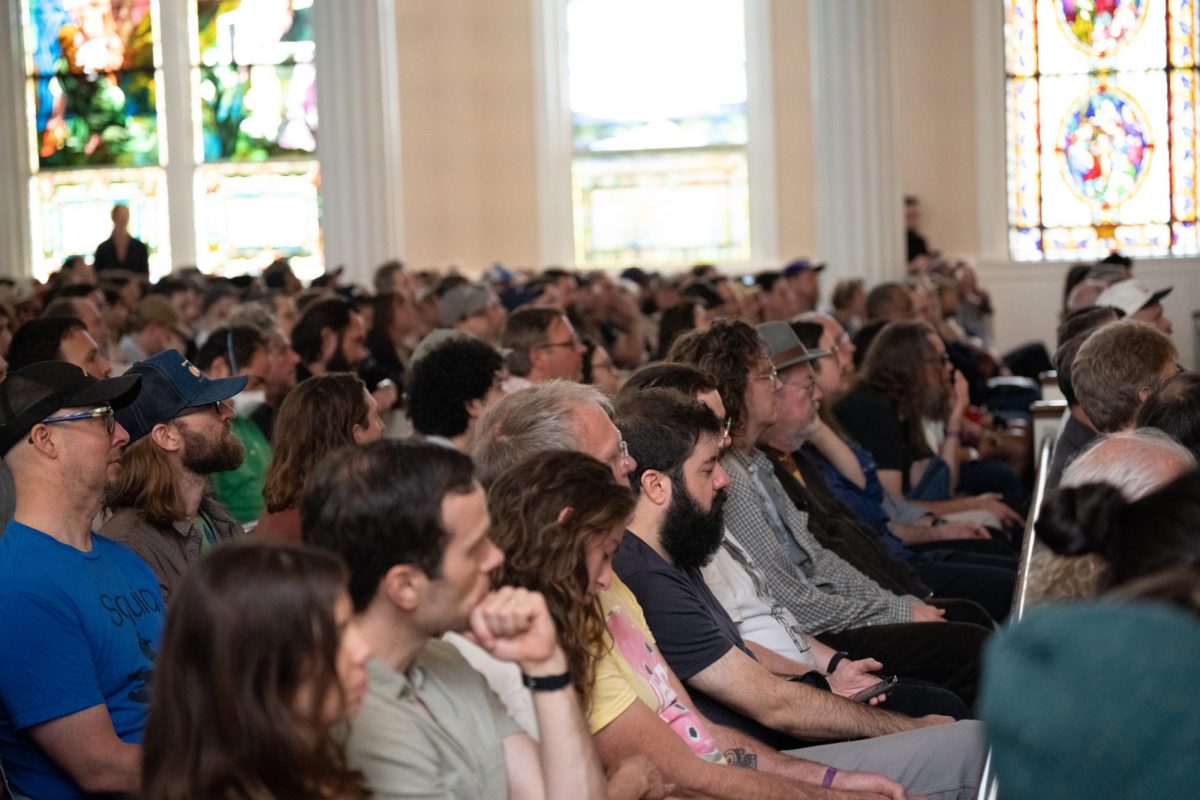
Many in the crowd of about 100 at the Square Room on Tuesday were past middle age, so it is reasonable to assume they were there, because Hall and Oates’ pop classics back in the day were absolutely astounding. They were there because Hall and Oates has proven themselves as not just an ’80s novelty act but perhaps the most prolific pop group, in terms of churning out hit after hit, ever. From “She’s Gone” (1973) to “Do It for Love” (2003), the band is excellent.
What resulted was not a nostalgia concert, however. Well, it was but in a different way. The bulk of the material came from Oates’ upcoming cover album, “Mississippi Mile,” to be released in April. Oates identified the songs for that album by collecting the tunes that influenced him to get into music when he was a child.
The tone of the concert came off almost as subtly antagonistic at first between performer and audience. People would shout out requests early, like a yell of “She’s Gone!” from the back, but Oates insisted on staying away from “Hall and Oates without Hall” as much as possible.
Despite an early agenda of going through songs chronologically, after a few covers of early to mid-’70s Hall and Oates songs, this philosophy was abandoned to fill the middle portion of the concert with Oates’ solo work from 2008 and beyond.
This musical choice was disappointing until Oates started digging into some of these tracks, including a raucous version of Elvis Presley’s “All Shook Up.”
While Daryl Hall’s vocal range is legendary (hear Hall and Oates’ classic “Say It Isn’t So” for proof), Oates’ concert quickly became an education in the vocal range of Oates. His cover of Curtis Mayfield’s “It’s All Right” was remarkably similar to the original.
A surprise was when Oates invited local musicians Scott Miller and Jill Andrews to come on stage with him to perform The Youngbloods’ “Get Together.” Andrews’ voice in particular sounded like she was channeling the ’60s strength of Jefferson Airplane’s “Grace Slick.”
Oates also sang a few tracks from his 2008 solo album, “1,000 Miles of Life,” but the highlight of the night came when he delved into the familiar of the Hall and Oates catalogue, mostly because most of the classics came with stories attached.
Before playing it, he told the story of the inspiration of “Maneater.”
Oates was at a hangout in New York City when an attractive girl entered.
“She’s the kind of girl that could just suck the air out of the room,” Oates said.
She sat down at the table with Oates and company.
“When she opened her mouth, she had the filthiest vocabulary,” Oates said. “… She was a maneater.”
In certain pockets of the United States, like in the Pacific Northwest and Atlanta, Oates said Hall and Oates got widespread popularity.
“We would stay in Atlanta for weeks, because it was the only place we could get any gigs,” he said.
This led to Hall and Oates playing a concert where one in attendance ended up slumped over drunk by the end. The songwriter in Oates came up with his backstory, which he played in “Camellia.”
“Promise Ain’t Enough,” Oates’ self-described early attempt at country writing, which became a Hall and Oates pop song instead, showed Oates dabbling in some of Hall’s customary yells at the end of a song. Plus, the acoustic version of this song felt truer without all the ’90s pop production of Hall and Oates in the studio, a rare win for acoustic covers.
But of all the stories, the one behind Hall and Oates’ first hit song came across as most poignant because, without that first hit, Hall and Oates might not have made it.
And the story just screams of serendipity.
“I got stood up for a date on New Year’s Eve,” Oates said. “Best thing that ever happened to me. I started strumming my guitar, and this is what happened.”
What resulted afterward was a soulful rendition of the pop duo’s first hit, “She’s Gone.” It was by far the closest any of the Hall and Oates covers came to the original, and it encapsulated a revelatory, scatterbrained night.
Oates’ concert was a unique one. It was interactive. After confusion from Oates and a band member on when to start, an audience member shouted, “1, 2, 3, 4” and the band started on that cue. In another instance, sustained clapping from the audience caused the band to continue playing.
And just when one thought he was never going back to the classics, Oates would belt out the most laid-back version of “I Can’t Go For That (No Can Do)” ever. That laid-back tone reflected the entire concert. The setlist felt malleable even if it wasn’t. The audience had influence. That anything-could-happen anticipation made the night memorable.