Tennessee needs money, and somebody has to foot the bill.
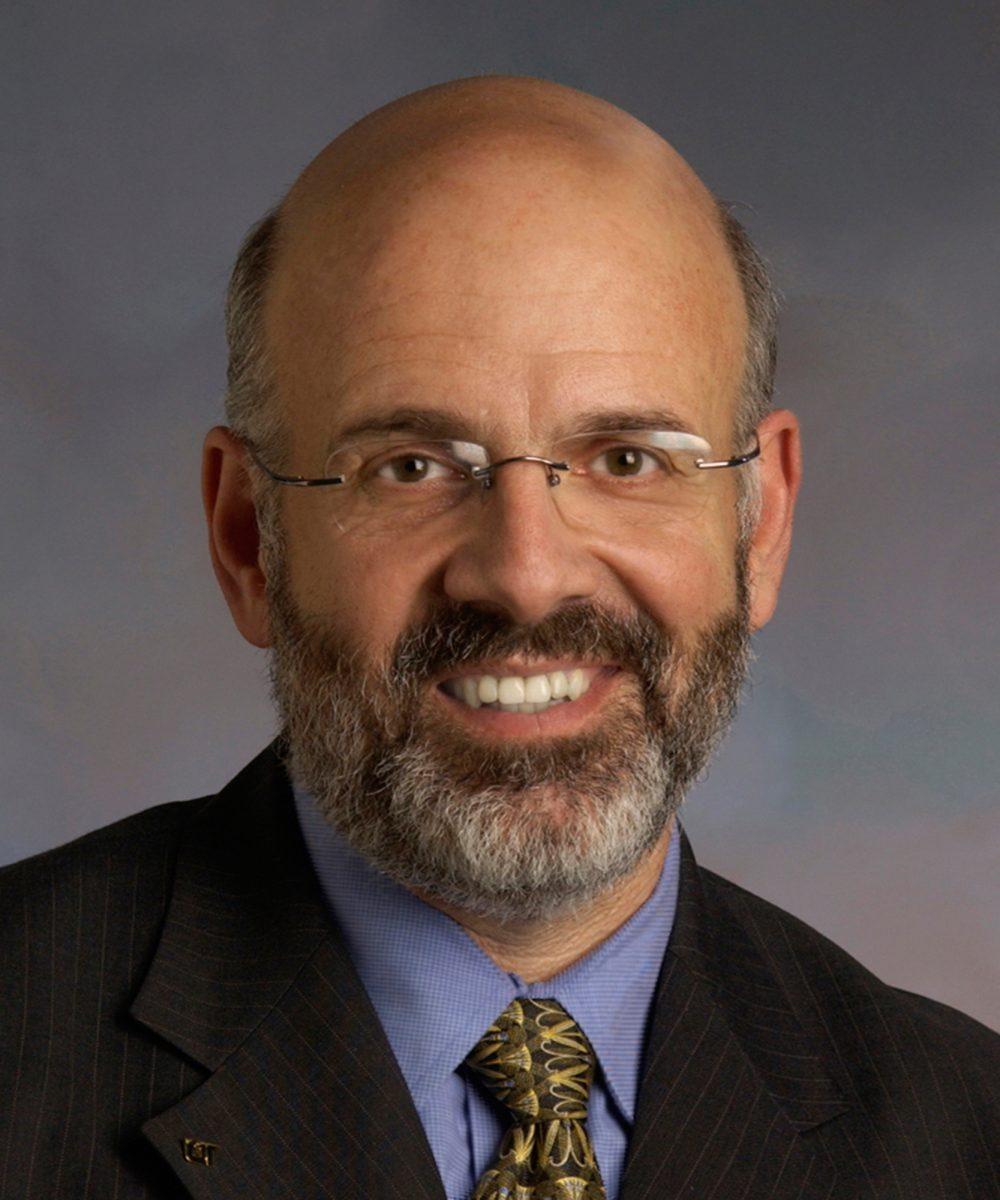
UT President Joseph DiPietro recently addressed the university system’s Board of Trustees on the college’s growing funding gap. By 2025, budget experts predict that the university’s budget gap will rise to 377.4 million, a sharp increase from the 155 million prediction made last fall.
Affirming president DiPietro’s characterization of the current budget model as “unstable,” university officials, in accordance with the Office of the Board of Trustees, view the decrease in state appropriations for the university as largely responsible for UT’s financial troubles.
“The university has been placed in a position to make up for declines in state appropriations by raising tuition and placing a larger burden on students and their families,” read the statement from the UT Board of Trustees.
In 2001, tuition and fees made up 25 percent of unrestricted educational and general revenues for the university while state appropriations stood at 53 percent. Flash forward to today, and tuition and fees make up 49 percent of educational and general revenues while appropriations comprise only 39 percent.
Despite this trend of decreased funding from the state government, university officials are largely supportive of Gov. Bill Haslam and his efforts to fund universities across the state, citing his proposed budget for Fiscal Year 16 as “favorable to higher education.”
“Gov. Haslam’s Drive to 55 and Tennessee Promise initiatives demonstrate that he understands the role of higher education in improving our state,” read the responses provided by UT. “The university would like to see increases in appropriations for higher education, however, we realize our state has limited resources.”
According to a press release from the University of Tennessee System Office of Communications and Marketing, president DiPietro’s plan of action includes the consolidation of “low performing” university programs to help cut costs, though no specific programs have yet been named.
DiPietro also plans to increase the number of out-of-state students by no more than 25 percent, maintaining that the current level of in-state students attending the university would not be affected in spite of the increase.
To help balance growing costs, The Tennessee Higher Education Commission recommended tuition increases between of up to 4 percent for Fiscal Year 16. In an effort to reverse the trend of tuition spikes and shift the responsibility of funding the university away from students, university officials maintained their commitment to “keeping tuition increases as low as possible as part of efforts to change the current business model.”