In the days since Gov. Bill Lee signed a bill banning public drag performances on March 2, the legislation, the first of its kind signed into law in the nation, has set off a storm of national headlines highlighting the broader anti-LGBTQ priorities of the Tennessee General Assembly.
The bill bans drag shows – stated as “adult cabaret performances” that include exotic dancers and “male or female impersonators” – on public property in the state and any location where a minor could be present. A first violation of the law is a misdemeanor, but a second violation is a felony that could result in jail time.
The new law has garnered national attention as outlets like Reuters and The New York Times connect it to a larger wave of conservative attempts to target drag shows and transgender healthcare.
The drag bill is just one of the pieces of anti-LGBTQ legislation currently proposed in the Tennessee legislature. Along with the anti-drag bill, Lee also signed a bill banning gender-affirming health care for transgender minors. Another bill that passed in the Tennessee House of Representatives would require drag performers to obtain a permit from the board that regulates adult establishments. The bill would also prohibit any private or public establishment from allowing minors to attend drag performances.
Members of the Knoxville LGBTQ community and its allies have been vocal in opposing the slate of anti-trans and anti-drag bills since the legislation was first introduced. Many have expressed concerns that the vague language of the bill could jeopardize the ability of transgender individuals to be in public without facing legal repercussion for “impersonation.”
“The message is that queer people, especially trans people and gender non-conforming people, are not welcome and are not safe in Tennessee,” said Story VanNess, assistant center director and program director for trans and non-binary support services at Knox Pride. “That’s what they want us to know.”
VanNess has performed in local drag shows as The Lady Viktra since 2003, and has seen drag become more mainstream, mainly through the Emmy-winning reality TV series RuPaul Drag’s Race. But with the increased visibility of the drag community, she said, has come a change in the understanding of what drag is.
“Drag is art, it is culture, but it’s also a political statement. It was counterculture in the truest sense of the word … and now it’s become pop culture,” VanNess said.
The anti-drag law even became the butt of the joke in Saturday Night Live’s Weekend Update as co-host Colin Jost poked fun at its premise.
“A Tennessee state senator said the bill will prevent kids from being ‘blindsided by a sexualized performance in public,’” Jost said. “What are you talking about? Drag shows don’t just pop up like flash mobs and sprinkle gay dust on your kids.”
Knox Pride, formally known as the East Tennessee Equality Council, is a community resource for LGBTQ individuals, and hosts the annual Knox Pride Festival, the largest public event featuring drag performances in the city and one of the largest in the state.
In February, the group announced it would cancel the festival if the bill was signed into law. VanNess said the festival will not happen as usual this year, but will instead feature a series of protests and demonstrations. On its website, Knox Pride offers resources which help community members contact their legislators to ask them to oppose further legislation targeting gender-affirming healthcare and drag performances.
At a rally hosted by Knox Pride downtown on Feb. 13, local activist Kim Spoon delivered a speech about the bill which went viral on TikTok, reaching hundreds of thousands of viewers. VanNess herself has appeared on national television, including CNN, to discuss the law.
“Pride is a protest. It began as a protest, it should always be a protest, and it will be a protest again. We are not going to take this lying down,” VanNess told The Daily Beacon.
All-ages drag performances have become increasingly rare in the state as the community fears legal repercussions. VanNess said that even bar performances are held to standards laid out by the state’s Alcoholic Beverage Commission, and the common sense of performers who know children may be around in public.
In Knox Pride’s media appearances, the group has emphasized the broader agenda of the state legislature.
“Because they can’t really attack marriage equality at this point, they’re going after culture, and they’re going after trans people, and they’re going after kids, because those are the things that they still feel they can affect,” VanNess said.
UT students have also been openly supportive of the drag community, some by attending performances at local venues and some by participating themselves.
Boomer Russell, a fourth year doctoral candidate in biochemistry, has been performing as Fatty Acid for 9 months in the local drag scene. He takes issue with the way the legislation targets drag as “harmful to minors,” which it describes as shows that contain “nudity, sexual excitement, sexual conduct, excess violence, or sadomasochistic abuse.” The bill is categorized by the legislature in a group of laws pertaining to obscenity and pornography.
“We wear a lot of clothes,” Russell said. “I wear so many clothes when I do drag, like, if that’s what they’re worried about, they’re not gonna see a thing.”
Jack Johnson, Senate Majority Leader and the bill’s Republican sponsor, took to Twitter after Lee signed it into law to argue that the legislation was meant to keep minors safe.
“We are not banning drag shows,” Johnson said in a tweet accompanied by his interview on the conservative TV channel Newsmax. “We are protecting children from sexually explicit content in public venues.”
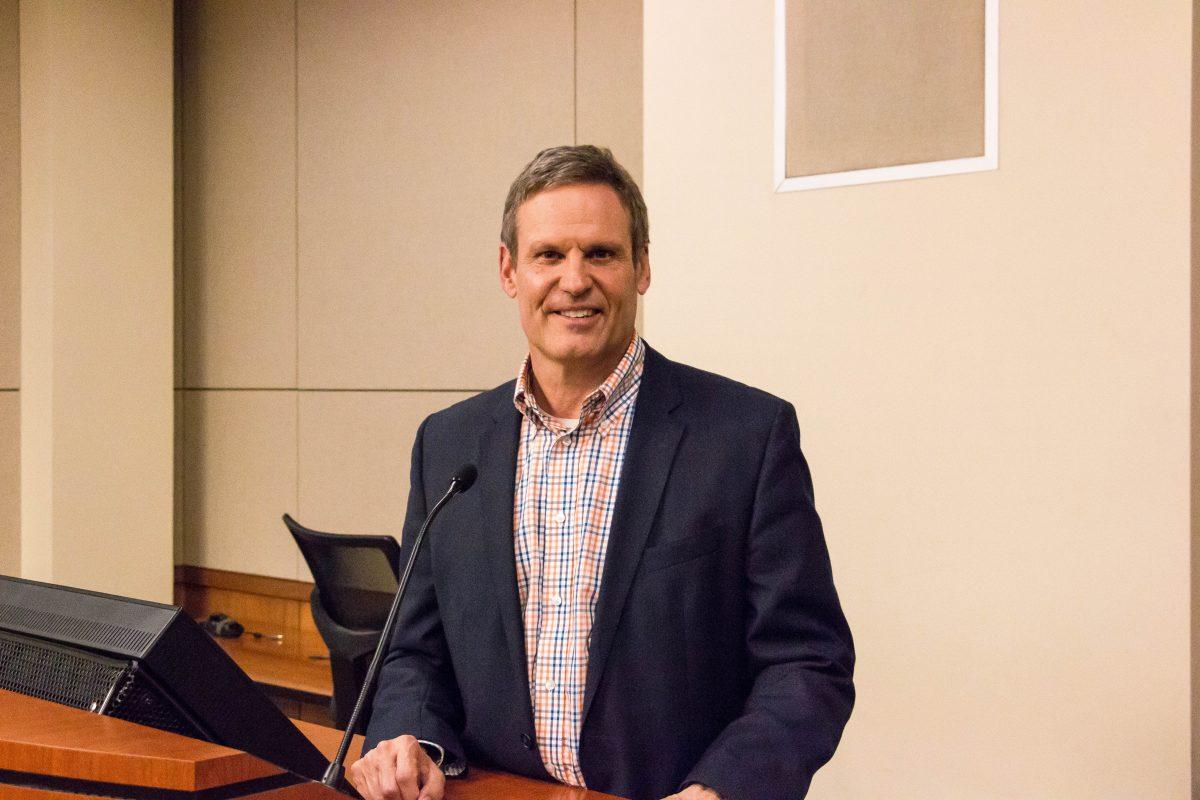
UT College Republicans hosted Gov. Bill Lee at the Haslam College of Business Feb. 27. 2018.
In the language of the bill, however, any performance featuring “male or female impersonators” in a venue where a minor could be present is prohibited.
The obscurity of the law has inspired a litany of comments and memes online, as well as costumed protestors. At the February rally in downtown Knoxville, one protestor dressed as Jesus Christ, an act which could be considered illegal under the new law.
Memes spread across social media have shown drag performers next to waitresses at Hooters, a restaurant known for dressing its female staff in short shorts and low-cut shirts, and have compared the animus towards the LGBTQ community to the acceptance of popular films like “Mrs. Doubtfire” and the “Madea” films, which feature male actors and characters dressed as women.
After the news broke that Lee planned to sign the bill into law if the senate pushed it through, a 1977 yearbook photo reportedly taken of the governor in high school leaked. The photo allegedly shows Lee dressed in what many consider to be “drag attire.”
After hearing of the leaked photo, Lee stated that the conversation surrounding it was “ridiculous.”
Lee neither confirmed nor denied that the photo was of him, but that hasn’t stopped many viewers from making the claim that cross dressing is only targeted when it is done by queer people.
David Gregg, a bartender, member of the LGBTQ community and active audience member at drag shows said the bill targeted a community that was already marginalized.
“Throughout the history of our country, it seems like all minorities and/or marginalized groups have become subject to scrutiny, strict rules and laws and oppression,” Gregg said. “This bill follows those precedents and for someone who attended a drag performance less than a week ago, it is a little intimidating knowing that that last show could have been the last time I can enjoy one freely.”
The idea of freedom is one that activists have focused on in opposing the actions of the state legislature against groups that already have fewer legal protections.
“This bill is taking away the rights of marginalized groups to freely express themselves,” Danny Watson, a server and active member in the drag community, said. “The Tennessee government has passed numerous laws and bills over the recent months that continue to take away freedom from marginalized groups, such as the abortion bill.”
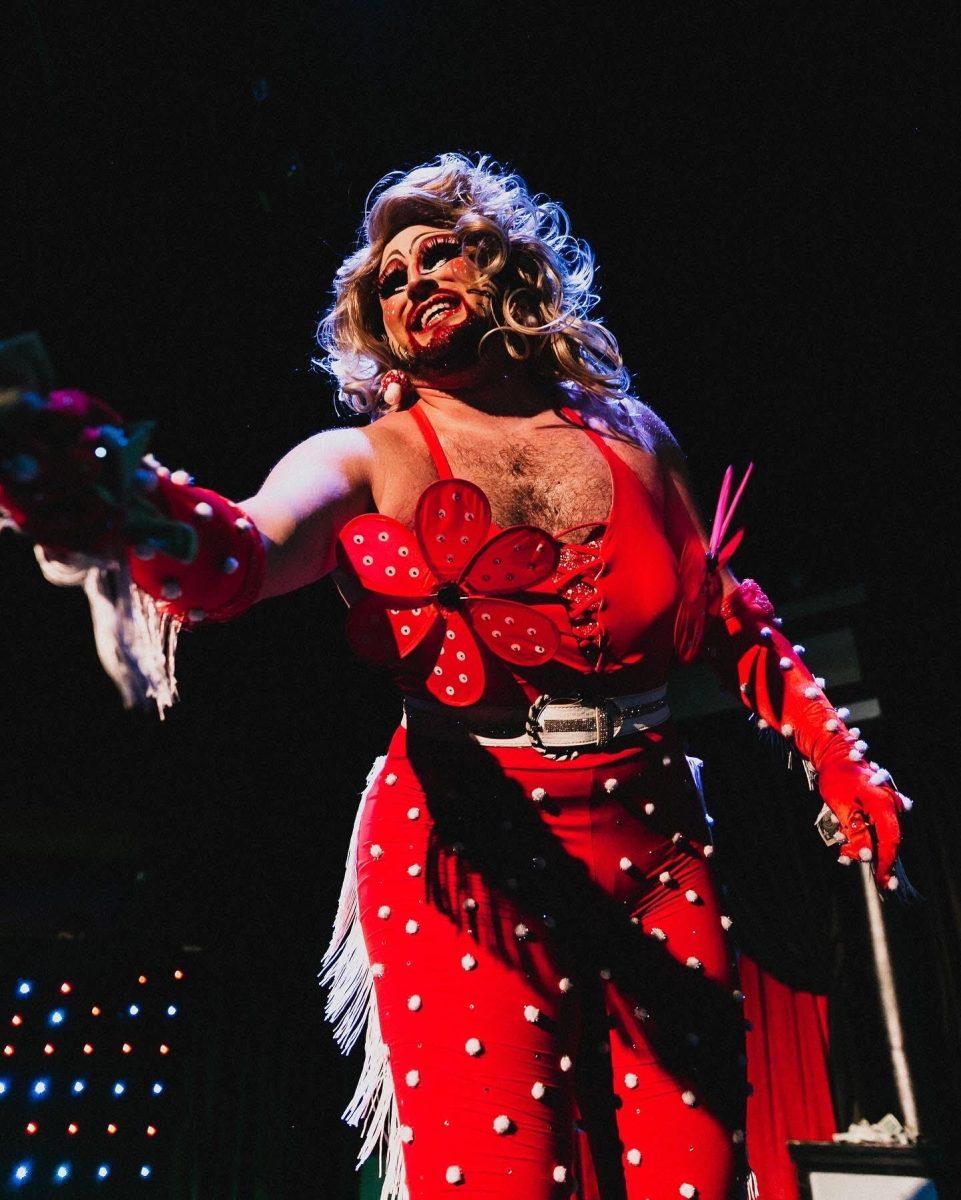
Boomer Russell, a fourth year doctoral candidate in biochemistry at UT, performs as Fatty Acid in the Knoxville drag scene.
In October, research conducted by the Human Rights Campaign and Bowling Green State University used census data to project that 1-in-7 voters would identify as LGBTQ by 2030, and perhaps 1-in-5 by 2040.
Andrew Henry, a freelance makeup artist who performs in drag in Knoxville as Harri Scari, said the anti-LGBTQ bills in the Tennessee General Assembly are a direct attempt to threaten the lives and livelihoods of these crucial voters.
“The point is to get national attention and to score political points for actually a much smaller base, but it’s a base that does vote quite passionately. It’s emboldened a much more radical minority to put our lives at risk,” Henry said.
Though some LGBTQ people, especially performers and trans individuals, have considered leaving the state for fears of their own safety, Henry said such a migration is not financially feasible for many people.
“Frankly, a lot of people don’t have the means to leave,” Henry said. “A vast majority of queer people in this state are not wealthy … we have to combat these bills from Tennessee, because there’s many people who can’t escape.”
As a lifelong Tennessee resident, Boomer Russell says he has gone back and forth on whether or not he wants to stay in the state, but the anti-trans and anti-drag bills have made him consider a move. As amended, the anti-drag law is set to go into effect on April 1.
“We shouldn’t feel like we should have to leave,” Russell said. “This is just as much my home as it is some straight person. I am just as entitled to live here, to perform and express my art, to work, to exist, just as much as anyone else, and these bills are making that very hard to do.”
Staff Writer Scott Nappi contributed to this reporting.
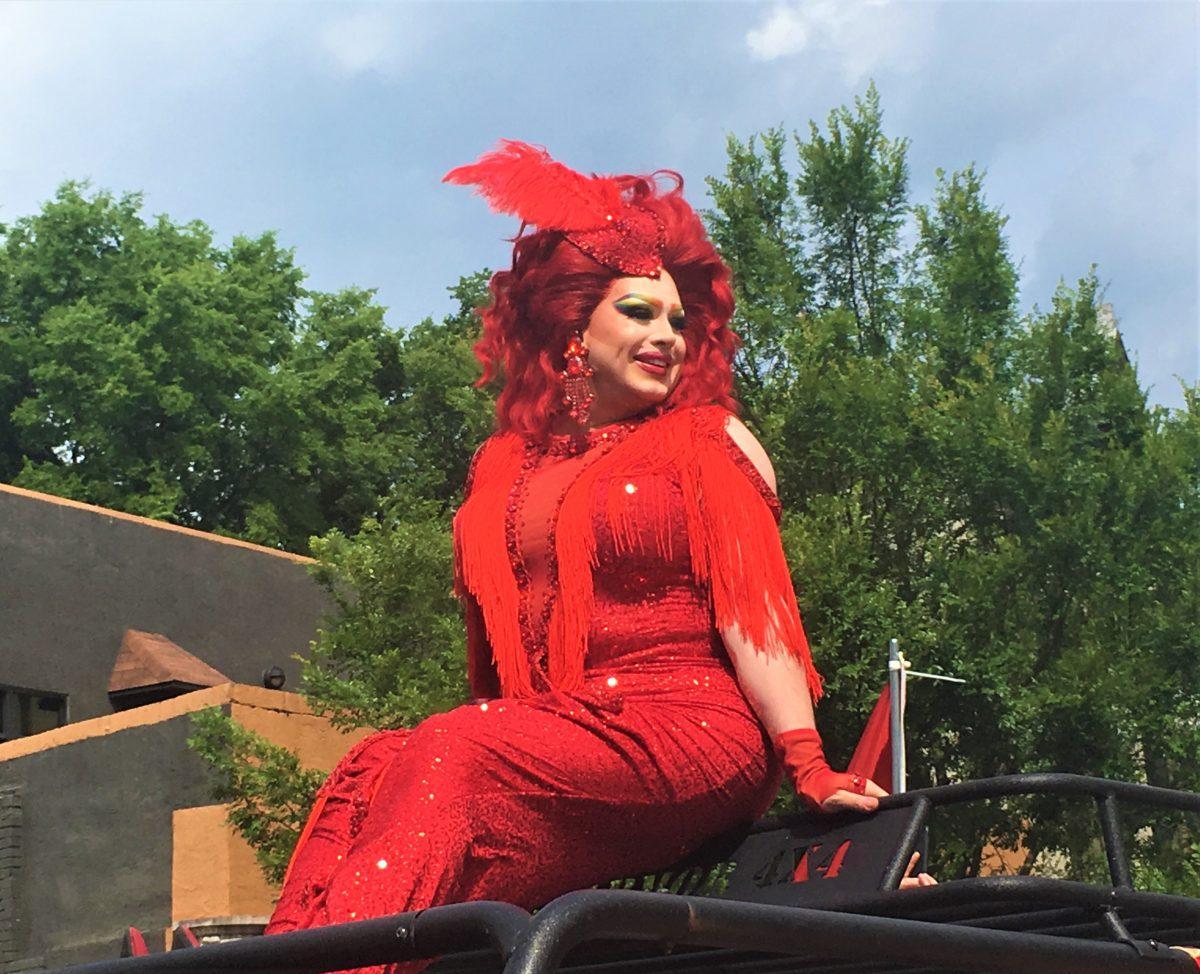
Dressed in all red, a drag performer smiles at the cheering crowd at the Knox Pride Parade.