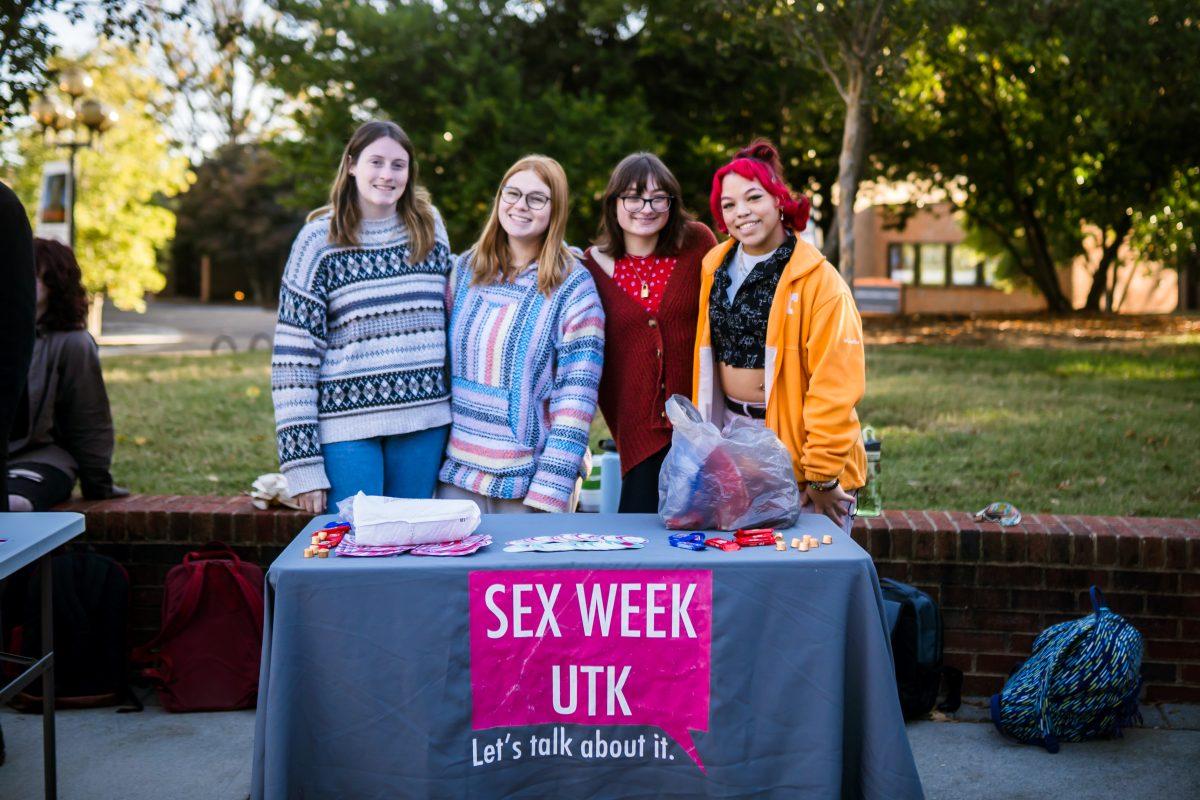
From April 15 to 18, the UT student organization Sexual Empowerment and Awareness at Tennessee will hold events every day to showcase sexual health, education and liberation.
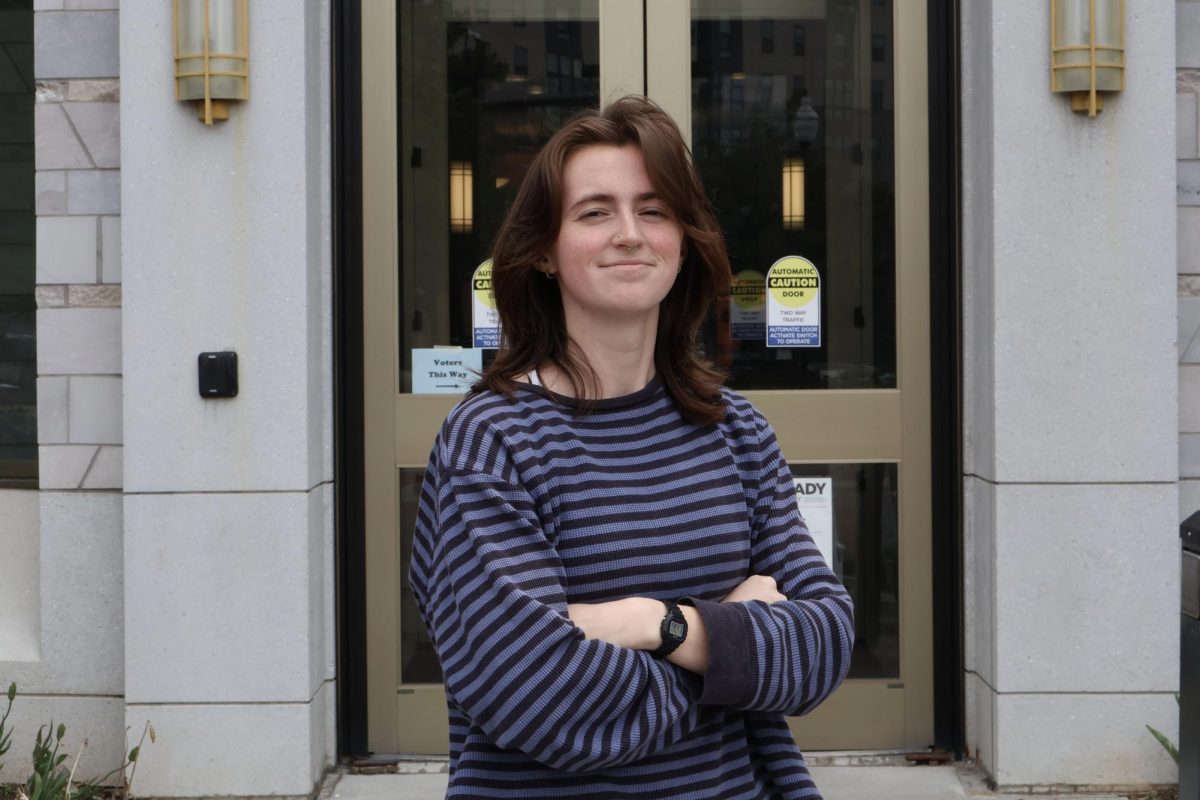
Allie Farley, a senior studying women and gender studies, is co-president of SEAT this year and helped to organize the week along with co-president Ayva Dorris, a senior studying sustainability.
At the end of last year, SEAT reached out to Planned Parenthood Generation Action Council to collaborate on this year’s Sex Week, as many of SEAT’s executive board were graduating. Dorris and Farley both joined SEAT through this partnership, although they were intentional about maintaining the individuality of both clubs.
“(We) decided to maintain the integrity of the two groups and have it as two separate campus orgs because, while they’re aligned in their mission, they do serve separate missions,” Farley said.
The Planned Parenthood club at UT is part of a larger national organization that provides safe sexual care and education, while SEAT is unique to UT and serves the larger purpose of empowerment.
“That is what SEAT is about, is making space for the fun part of sex,” Farley said.
It allows space for public health and education while also centering pleasure. Discourse and rhetoric around sex should not only center on safety, Farley noted, but also empowerment and liberation.
This week will allow people to participate in conversations about sexual health, learn sexual education, win sex toys and experience the joys of inclusion.
“Sex week helps people to understand sex education that isn’t around abstinence and to feel empowered to explore things,” said Morgan Beirne, a freshman involved with SEAT. “I think that those things are especially important with people around campus starting to become independent and who may be starting to find out who they are through their community at UT.”
Farley noted that she tailored this year’s week to focus on sex education and public health. She formed the topics and events from her specialties, interests and studies in the Women and Gender Studies Department.
Monday will start off Sex Week with a teach-in in collaboration with Rise: Healthy for Life. Rise, an organization out of Johnson City, Tennessee, champions sexual education for all, focusing on fact-based and affirming education. The event will present a workshop in part of their “Identity Outlaw” series about gender, queer sex safety and navigating transness.
Tuesday will see a fundraiser for Knox Pride Center on Ped Walkway from 10 a.m.-2 p.m. SEAT partnered with the UT Print Club and other creators who will sell their art to raise funds.
On Wednesday, SEAT will host sexual education trivia, and winners can win sex toys donated to SEAT from Adam & Eve and Wet for Her. Keep up with times and places on SEAT’s Instagram.
Thursday, SEAT will host a contraceptive carnival from 10 a.m.-2 p.m. on Ped Walkway, where students can access free birth control, emergency contraceptives and period products.
Finally, Sex Week will culminate in SEAT’s iconic annual drag show. This year, the show will take place back on UT’s campus at the Alumni Memorial Building 32 from 6-8 p.m.
Last year, SEAT produced its drag show at South Press, a local queer-affirming coffee shop, but Farley was eager to prioritize UT students and their accessibility for this year’s show.
“Having it on campus and walkable for those students was a really big priority for us. … SEAT is tailored and focused on the University of Tennessee’s campus, and specifically, Sex Week is an event for campus,” Farley said.
Following the controversial ruling that took funding away from SEAT and other student organizations, SEAT has continued on with its own funds. This year, Sex Week was produced without SEAT spending any money. The events rely on donations, outside support and campus spaces.
Farley noted how empowering it has been for her to see the impact SEAT has made. She has learned a lot about her own sexuality through them and is keen to continue that legacy. Her studies, which focus on reproductive health, helped her to think about what people need from Sex Week.
Sexual education that does not center on abstinence is important to the organization, and Beirne noted how abstinence-only education does not help people in their sexual education journey.
“It’s creating a lot of noise on campus that there are safe spaces, that there are places where all sexualities are important and equally important,” Farley said. “I hope people come out of it desiring more sex education.”