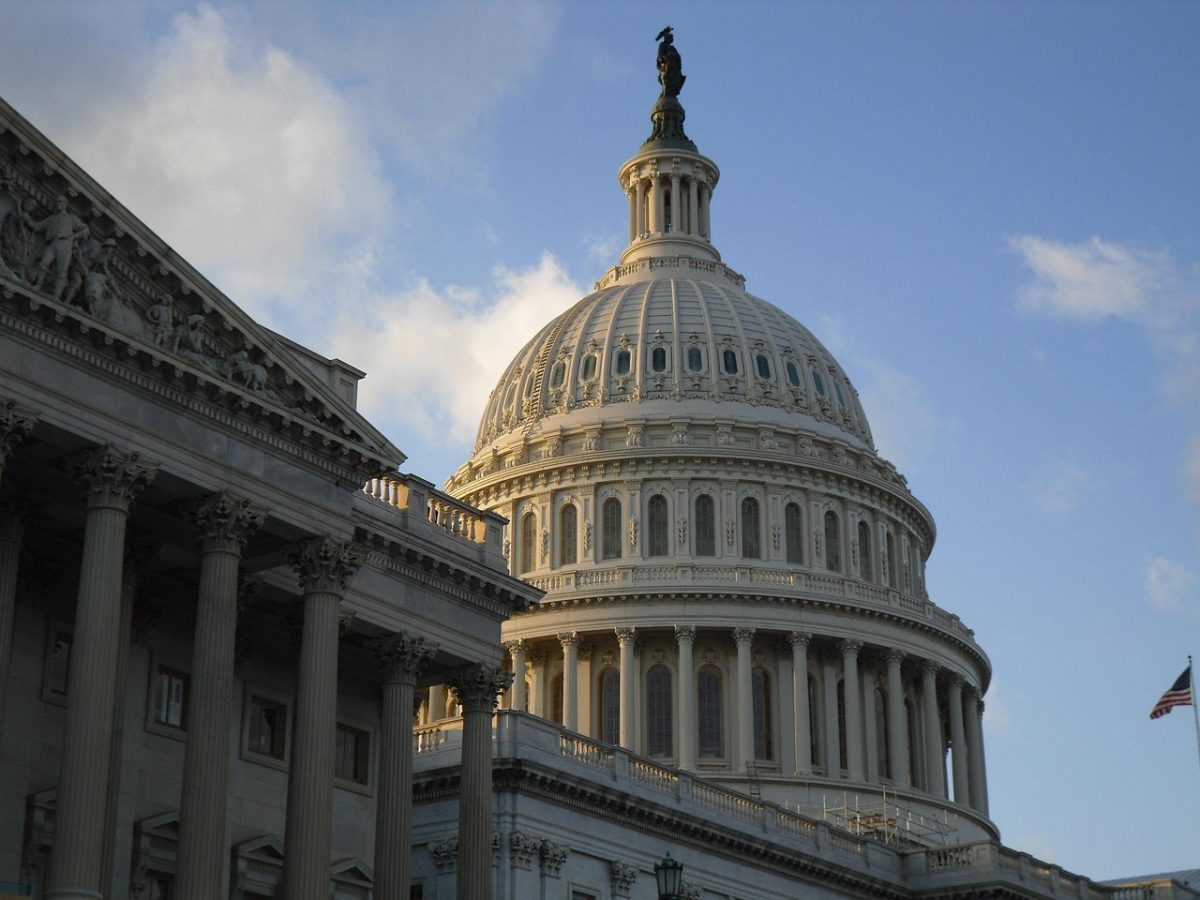
As of 12:01 a.m. Eastern time on Wednesday, Oct. 1, United States’ federal funding has run out, resulting in a government shutdown.
Congress failed to pass a budget plan for the next year, as the Senate adjourned at 8:25 p.m. last night without a bill being passed, meaning the spending bill from last year expired without a ready replacement.
A three-fifths majority, or 60 votes, was needed for a new spending bill to be passed. The Republican-backed bill was defeated by a vote of 55-45. The Democratic-backed bill was defeated by a vote of 47-53.
A federal government shutdown means a full halt to spending, but it does not mean that all services will stop. Most federal employees are furloughed in the wake of a shutdown, with federal employees working unpaid unless they are covered by a funded bill.
Services considered essential are still running, requiring active-duty military and federal airport personnel to continue to work with halted pay.
Mandatory spending programs (Social Security, Medicare and Medicaid) will still continue to provide coverage for Americans.
Student aid should be unaffected, as the academic year is already well under way.
Most national park facilities that will close and minimal workers will be tending to the parks, but trails will stay open.
Federal courts will continue to operate with pay up until Oct. 17.
The longer the shutdown lasts, the more the scale of impact on federal functioning grows.
The average length of shutdowns in recent history has been about five days, the shortest being about a day and the longest lasting 35.
No senator has yet changed their vote since yesterday.