For many students at UT, trips to one of our closest national parks could be negatively impacted this fall. The Great Smoky Mountains National Park is experiencing increases in trash, vandalism and wildlife appearances as a result of limited park ranger involvement given the government shutdown.
On Oct. 1, 2025, the federal government shut down after Congress failed to pass funding appropriations in ample time. Effective immediately, the National Park Service, among countless other agencies and departments, saw a severe hit to funding allocated for employed workers.
For national park lovers, the shutdown means limited access to their favorite camping destinations, as park rangers are not being paid to maintain and supervise the roadways and historic sites they normally do. As a result, tourists may see an increase in trash on the side of the road, a lack of maintenance in the plumbing systems and even a greater presence of wildlife in human-inhabited areas.
Sally Rebecca Hoyt, president of the Canoe and Hiking club, touched on how her organization has already felt the impacts in light of their fall break plans for members.
“For our fall break trip this weekend, we had to go and make sure nothing was closed and we could actually get places where we were supposed to get to,” Hoyt said.
In consideration of the park’s vehicle access, the majority of roads have stayed open, but dozens of trailheads have not had the opportunity to be cleared of both natural debris and trash left by people.
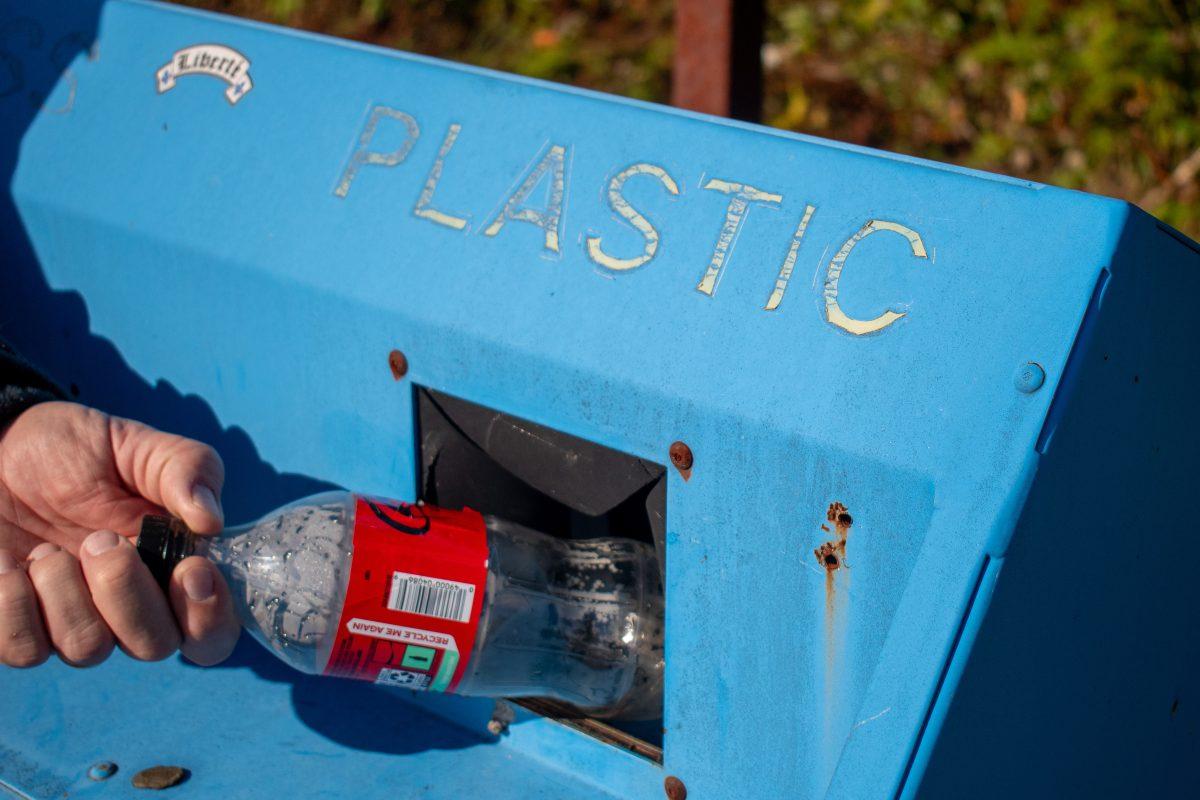
Trashcan in use at Great Smokey Mountains National Park.
The National Park Service was founded on the Leave No Trace Seven Principles, which emphasize picking up after oneself in the parks and packing out any trash you may have, instead of leaving it in the woods for wildlife to find.
Unfortunately, these principles are not abided by all and, as such, park rangers have taken over the responsibility of making sure trash gets collected before wildlife can access it. However, the shutdown is preventing employees from being paid to perform this task and look after park conditions, which means any trail or trash maintenance has to be done through unpaid volunteer work.
“One of the worst parts about it is the fact that there is no one to take care of the bathrooms or take out the trash. So people aren’t going to have a place to put their trash, which means it’s going to go on the ground,” Hoyt said.
Sarah Brobst, the visitor services director at Ijams Nature Center, explained the long-lasting impacts an overflow of trash and sanitation can have on these natural reservoirs.
“You don’t think one little wrapper will make that much of a difference, or oh, you dropped your water bottle on the side and don’t go back for it, but the Smokies see millions of visitors each year. So if every person leaves one little thing that adds up quickly,” Brobst said.
But while the increase of trash and vandalism has a negative impact on tourism and the visitor’s experience, the wildlife of the park would disagree with these negative claims. Access to a stable food source — like human trash — is more prominent, and wildlife could find increased comfort in these once maintained areas.
“Cades Cove is also really popular with bears, and in order to have people enjoying that space, there need to be rangers there to make sure people aren’t messing with bears or trying to approach them,” Hoyt said.
The increased appearance of wildlife may be entertaining for visiting tourists, but it has greater implications for the park as a whole. In the past, bears and other larger wildlife have had to be euthanized due to their comfort level around people, as it starts to become a safety issue for those trying to enjoy their lunch on a hike.
Michael “Mike” McKinney, director of environmental studies at UT, stresses the impact the shutdown has had on animals.
“The bear population is exponentially increasing right now, and the fact that there are fewer rangers at a time where we have more bears is definitely going to be a danger for human-bear interactions,” McKinney said.
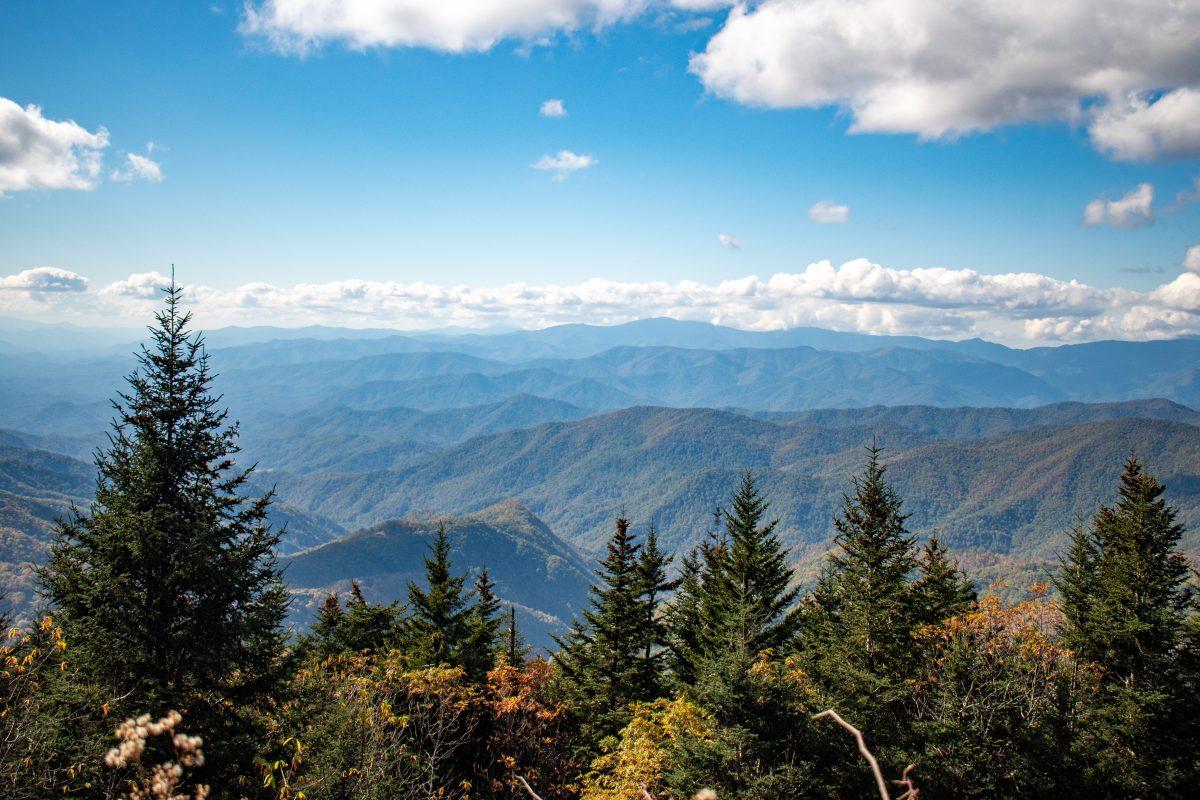
An increase in foot traffic can typically be seen from September to November, as the South enters its “leaf peeping” season, or when the fall foliage starts to turn from lush green vegetation to the oranges and reds we associate with the crisp autumn. As a result, it creates beautiful sights that many travel from all over the world to see.
“Leaf peeping is a really, really busy time for the Smokies, so if there aren’t bathrooms and trash being taken out, it’s going to take a huge toll on everything that’s going on,” Hoyt said.
This not only causes damage to the developing and thriving ecosystems but also hurts the parks from an aesthetic perspective as well.
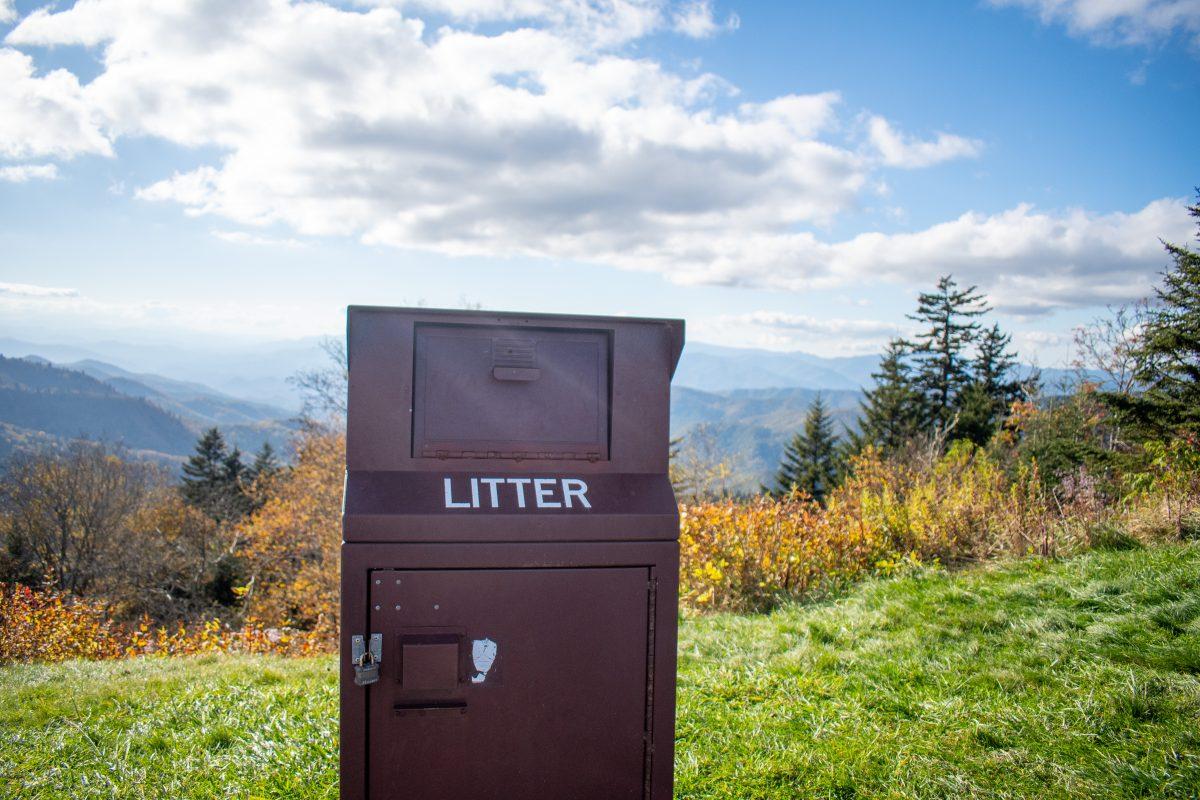
Trash can at Great Smokey Mountains National Park.
The lack of supervision has opened opportunities for some visitors to vandalize historic sites, such as the cabins in Cades Cove, and to damage natural attractions such as rock formations.
“The increase of vandalism sometimes has really lasting implications when people go above and beyond scratching their name into a tree,” Brobst said. “It’s not something that gets budgeted into having to fix that much damage, so you know those bigger projects where normally it would just be day-to-day maintenance now have to go to fixing problem areas that have been vandalized.”
The park service in previous years has had to reassess allocation funds to make up for the vandalism they are now having to undo. This results in a hit to funding for other park functions that make daily life and enjoyment possible.
With the furlough of 9,000 out of the 14,500 agency’s employees, the impact is severe for not only the community, but for the families of the staff as well.
“I was at a meeting recently, and many of the rangers from the federal government couldn’t come because they were on furlough. There’s gonna be a pause of research for a while,” McKinney said.
Many of these rangers cannot bear to see the parks damaged, and instead dedicate their free time, without compensation, toward maintaining trails, clearing out trash and continuing their studies with the limited funds available.
“The basic idea is that they will get reimbursed when they come back to work. Today, we just heard that they may not be reimbursed,” McKinney said. “Everybody knows that the parks are underfunded. … They rely heavily on volunteer work, and this is going to make that need greater.”
At a time when there’s an emphasis on detoxing from screens and getting outdoors, McKinney argues that we need to remember why the national parks were founded in the first place.
“The U.S. invented the national park system. … The fact that we’re degrading it and systematically gutting it is a very tragic part of our cultural heritage, (something) that we need to build up and not tear down,” McKinney said.