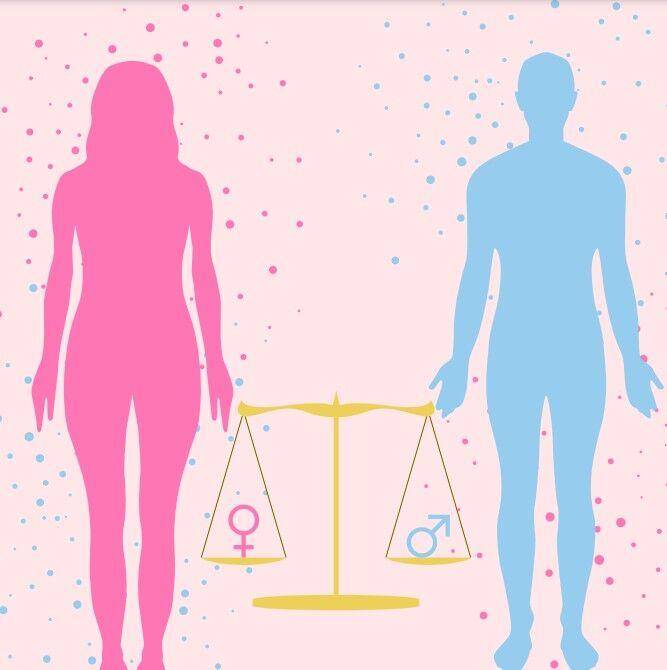
There is a hurtful misconception that has long stood as a barrier between feminists and skeptics — the idea that feminism only aims to better the lives of women. Some of the greatest detractors of the movement even go so far as to describe it as “anti-man.”
Part of the goal of modern feminism is to dispel such misconceptions and show how society can benefit from empowering its women. From ideals of security, communication and autonomy, people can be brought together through the movement.
As Valentine’s Day approaches, we delve into these feminist ideals and the foundations of relationships to highlight the connections.
One long-standing tenet of feminism has always been fighting for visibility and security in a world that seeks to quiet marginalized groups. And while more options are available to women now than ever before, that doesn’t mean the problem is solved.
David Moorfield Frank, a professor of feminism and the environment at the University of Tennessee, said that movements like #MeToo serve as milestones in the fight for security and visibility. But that doesn’t mean things are perfect.
“In particular, women who face intimate partner violence or other forms of abuse are much more likely to be believed and supported by others than in the past, although there are often still struggles with this in many communities,” Frank said. “With a lot of these issues, I think we have to hold both the idea that things have gotten better along with the idea that we still have a long way to go.”
Frank, who speaks on behalf of his personal scholarship, said that older feminism brought forth an era where women are at least heard. Now, it’s up to modern feminists to maintain their opportunities and keep pushing for baseline equality.
McKenna Zebracki, treasurer of Leading Women of Tomorrow at UT and a junior studying speech pathology, said women now have visibility, which is key to building a good foundation in a relationship. She said that setting clear boundaries can help both partners thrive in the long term.
“Empowering women is super important in relationships because it helps them set healthy boundaries,” Zebracki said. “When they feel confident, they can communicate their needs better, leading to more respect and understanding.”
Having boundaries and free-flowing communication in place can increase feelings of safety, and Zebracki said the best thing a partner can do is listen. Sometimes, that can be difficult to find, though.
Ella Miller, president of Leading Women of Tomorrow at UT and a senior studying psychology, said that the digital age makes finding genuine connections more difficult. She said being more empathetic can help by dismissing preconceived notions and fostering spontaneous connection.
“Both men and women sometimes feel—because of our societal standards—that they have to push things down or bottle them up, and that can be so harmful to personal and professional relationships, “Miller said. “I think being willing to hear someone’s circumstances and not assume that ‘this is what all guys do or what all girls do’ can help relationships so much.”
Miller said that recognizing how the ideas of empathy and communication cross gendered lines and apply to all people could help society grow as a whole. She said that lifting women up eventually lifts those around them up as well, so all people should embrace feminism.
On a similar note, Frank said that many champions of feminism have long spoken of how men, too, can benefit from the movement. He said feminist Bell Hooks is one prominent example of someone who advocated for an ideal known as empathetic masculinity.
She argued that patriarchy harms men as well as women, since it socializes them into a particular form of masculinity that alienates them from their feelings and relationships with others.
“Instead of a masculinity based on dominance, she discussed a masculinity based on empathy and love of self and others,” Frank said.
When men let go of their traditional attachments to dominance and strength, it allows for growth in their emotional intelligence and in their relationships. With that comes a greater level of autonomy that partners may need when faced with challenges like maintaining personal wants, raising children or planning futures.
Miller said that feminism teaches women to be autonomous, and from that self-sufficiency, they learn how to accomplish their personal goals and choose who they want to be with. From there, she said better relationships can be built.
“On the whole, mutual respect and freedom for women to choose when they want to be in a relationship—there’s not a necessity anymore for women to get married to move forward in society—are hugely important to contributing to authentic relationships,” Miller said. “I hope we continue to see the trend of women setting out for their own goals in the future and respect from their partners continue to rise.”
Miller said that consent is the starting point for authentic relationships and can only be reached when both parties are on equal grounds. She said promoting feminism within relationships can help society move toward that authenticity.