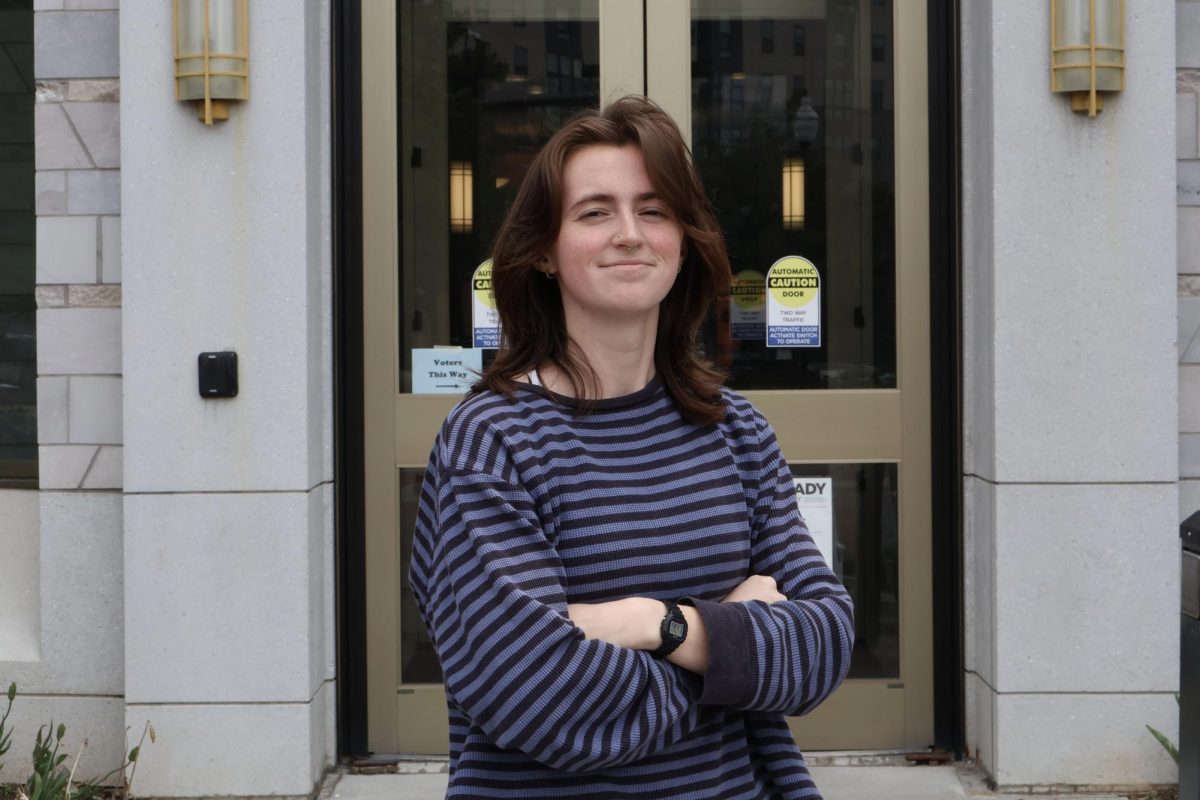
“An overdose is a really scary thing to think about,” Lauren Rubinstein, a junior marketing major, said. “But knowing you can help someone — and not make the situation worse — makes all of the difference.”
As college-aged individuals in Knox County continue to be impacted by the opioid crisis, the Center for Health Education and Wellness continues its efforts to educate Volunteers on useful harm reduction strategies.
CHEW’s Naloxone training is one of the biggest and most impactful ways to accomplish their goal of educating students on opioid reduction.
Naloxone, more commonly known by the brand name Narcan, is a medication used to treat opioid overdose cases. It is an antagonist that attaches to opioid receptors, blocking the effects of any other opioids in a victim’s system.
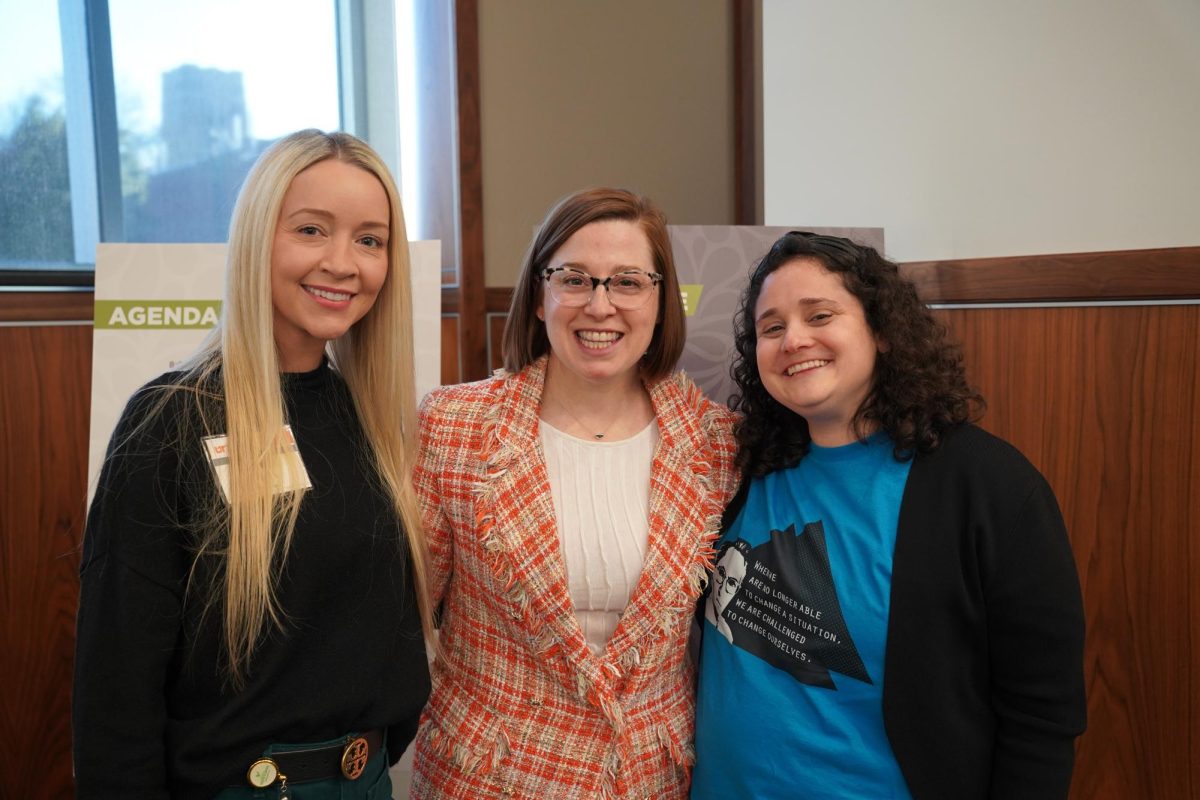
“The Center for Health Education and Wellness provides Naloxone training as part of its larger mission to improve the health and well-being of our campus through evidence-informed strategies,” Abigail Anderson, assistant director at CHEW, said. “We work to empower all Vols to make informed decisions about their well-being and adopt lasting healthy behaviors.”
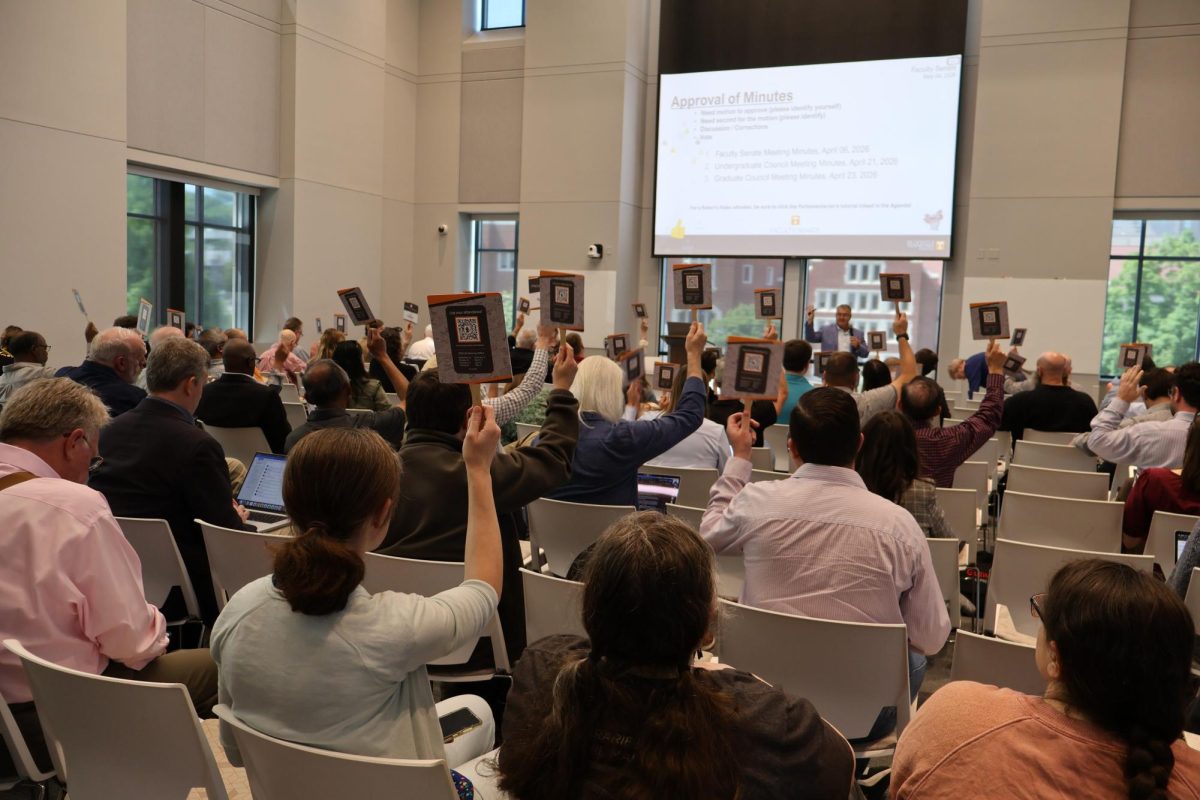
A recent collaboration between the Psi Society and CHEW allowed University of Tennessee students in Greek life to receive accessible training.
“The training programs have been successful,” Anderson said. “More than 110 students engaged in a two-minute training during two ‘I can Narcan’ pop-up events this semester. Recently, more than 150 Greek life students completed the free, virtual training to receive a Naloxone kit.”
Rubinstein, who is also president of the Omega Phi Alpha sorority, says she didn’t know much about opioid overdose or substance misuse, but the training session left her feeling confident and aware of the risks.
“I feel much better prepared,” Rubinstein said. “It’s really important to be informed about all the different signs of overdose and this training is a really helpful tool that organizations can do to protect each other.”
Samantha McIntyre, a third year sociology Ph.D. student who works full-time in the mental health field, highlighted the ways in which Naloxone training empowers Volunteers and contributes to a shift in campus culture.
“The training helped destigmatize certain things,” McIntyre said. “I think that it’s a great stepping stone to talking about other issues and furthering education about addiction and recovery.”
Students interested in Naloxone training should keep an eye on the event calendar or reach out to CHEW. Once a session is completed, students can pick up free opioid overdose reversal kits to keep on hand.
CHEW offers a variety of training sessions to ensure that all Volunteers can participate, regardless of their schedule.
Shorter sessions, such as those offered at pop-up tables during the semester, can take as little as two minutes and provide a basic understanding of how to identify an overdose and administer Naloxone.
The longer sessions offer an opportunity for students to dive deeper into substance misuse disorders and how Naloxone fits into broader harm reduction efforts.
“Training sessions are led by a CHEW staff member, including our newly trained student peer educators, Vols 2 Vols,” Anderson said.
Expanding outside of the university, CHEW also engages with the Knoxville community including collaborations with Metro Drug Coalition and SAFE Campuses Project to disseminate information and training more widely.
The ever-growing availability of this training and the open discourse it fosters marks a meaningful step forward — but there is more work to be done.
“I’m just really happy that the university is offering this training,” McIntyre said. “I don’t think an open discussion about Narcan would have been an option 10 years ago, so it is really reassuring to see that cultural shift.”