Revenge, jealousy, love. No, it’s not “Mean Girls.”
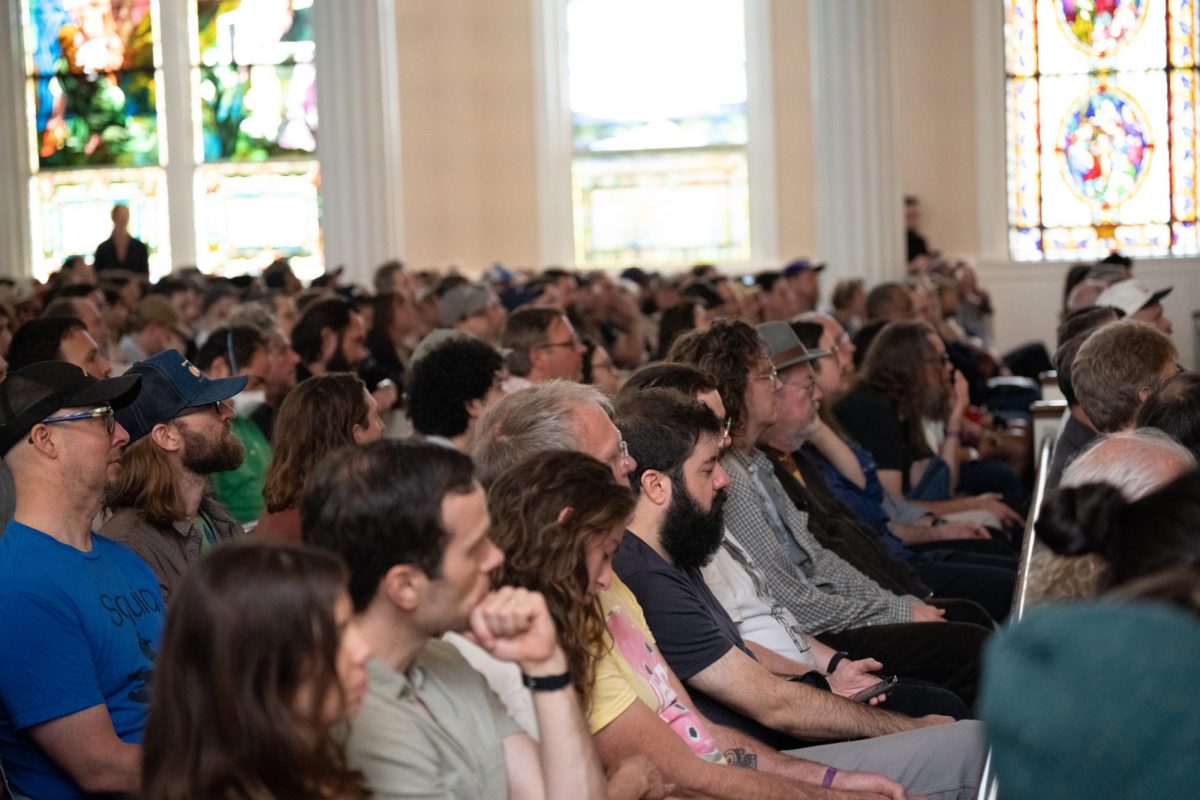
This weekend, Relix Variety Theater will be the unlikely host for the world premiere of “Medea,” an opera composed by UT composer-in-residence, Larry Delinger. The opera was brought to Knoxville by associate professor of theatre John Sipes and School of Music associate professor Kevin Class.
“Three years ago, John Sipes from the Clarence Brown Theatre, approached me about bringing Larry Delinger to the UT campus so that we could workshop parts of the opera ‘Medea,'” Class said. “At that point, the opera was not yet finished.”
Sipes and Class worked closely with Delinger as he workshopped and developed his craft.
“I found that the piece was not only very interesting but very powerful and very dramatic. Especially important, I found Larry to be an exceptionally talented composer who understands dramatic pacing and writes opera very well,” Class said. “Once Larry completed the opera, I decided that UTOT (UT Opera Theatre) should produce the world-premiere of ‘Medea,’ and the idea of organizing Delingerfest came into being.”
“Delingerfest” is the title Class and Sipes assigned to Delinger’s residency at UT this fall. In addition to “Medea,” several other of Delinger’s works have been showcased around Knoxville in the past few weeks, none, however, as groundbreaking as his opera.
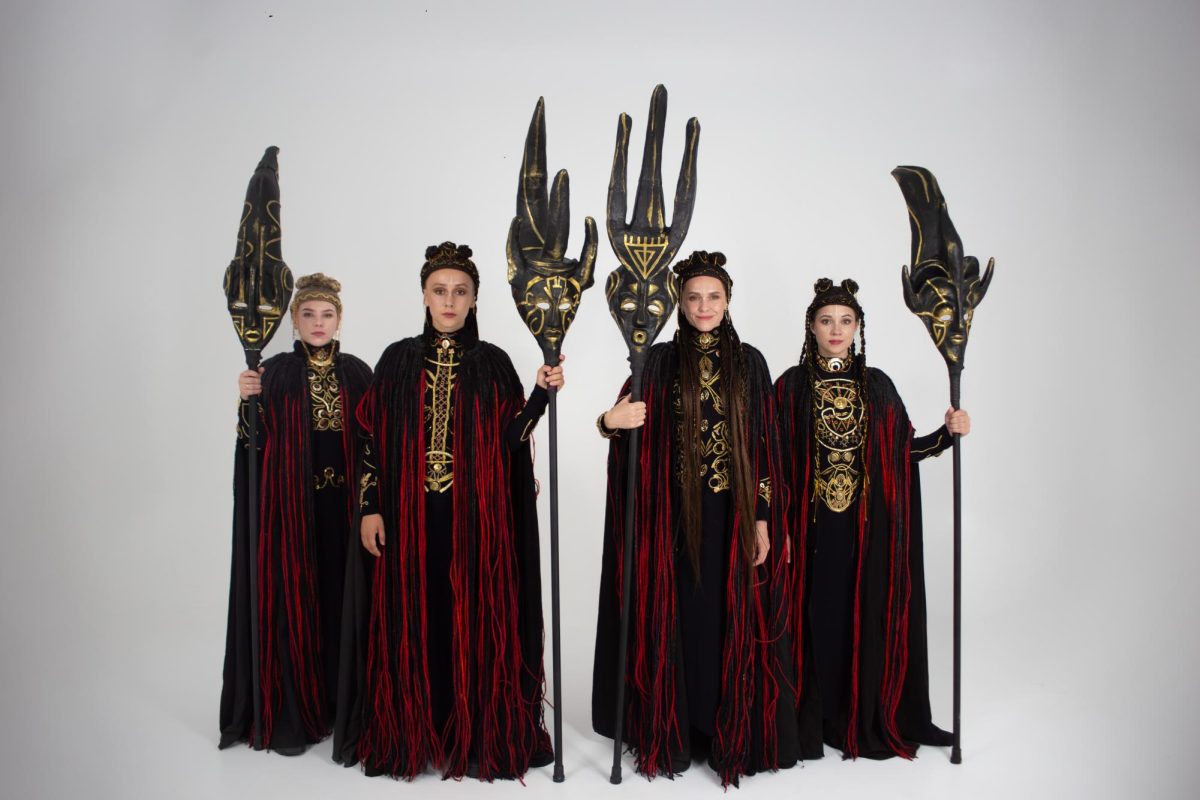
“Medea” is a bold, contemporary piece which takes the core aspects of traditional opera and showcases them through a modern lens. For many residents of Knoxville who may be unfamiliar with opera, “Medea” provides an introduction to this art.
Josafath Reynoso Calvillo, graduate student in theatre with a concentration in scenic design, spoke on what distinguishes opera from other performing arts.
“The whole configuration of the set is based on the music. The action that happens on stage takes the shape of the music, so there’s a lot about analyzing the pitch, the tone, the color of the voices and the way the voices overlap or juxtapose,” Reynoso Calvillo said. “From there, analyzing the scene you know who’s the good guy or who’s the bad guy and understanding when somebody is singing something with a certain voice or a certain pitch or a certain rhythm, they might not be telling the truth. Stuff like that. That’s a convention that exists in opera.”
Music propels the action, but the actors must translate the emotion of the music in each situation to the audience. They achieve this through exaggerated emotional displays leaving no doubt as to what may be occurring on stage.
“What I love about ‘Medea,’ what I love about classical theater in general, is there’s no small feelings,” Reynoso Calvillo said.
The feelings in “Medea” center around the darker aspects of human nature: revenge and betrayal.
“It is an absolute tragedy,” Reynoso Calvillo said. “I mean, it’s all about betrayal and weathering down and a vengeful woman who out of spite, out of love even, commits these horrendous crimes because she herself has been transgressed. It’s absolutely a revenge play.”
Adapted from the ancient Greek myth of “Jason and the Argonauts,” “Medea” takes the point of view of one of Jason’s wronged love interests, Medea. Although this story has been performed as an opera before, Reynoso Calvillo assured that Delinger’s work features completely original music and provides a different perspective on the classical myth.
While Relix may seem less than elaborate for the refined performance, Reynoso Calvillo said it does not diminish the scale of the production.
“It has all you want in a pocket size opera,” Reynoso Calvillo said. “We have everybody there. We have so much stuff on stage, and I don’t mean on the actual stage, but I mean we have the whole all the aspects of the production going on at the same time, so seating is exclusive, not because it’s expensive, but because there’s not a lot of them.”
This means hopeful audience members can’t waste any time before getting tickets, which are $5.
“There’s a lot of work and a lot of love in this, so that always shows on stage,” Reynoso Calvillo said. “That’s one of the things I think people are always receptive to — when they see something that took a lot of work, a lot of effort to put together. That has a value.
“It’s got everything: love, music, gore and magic.”