It was a time of holy wars and conflicting ideologies — a time not unlike our own.
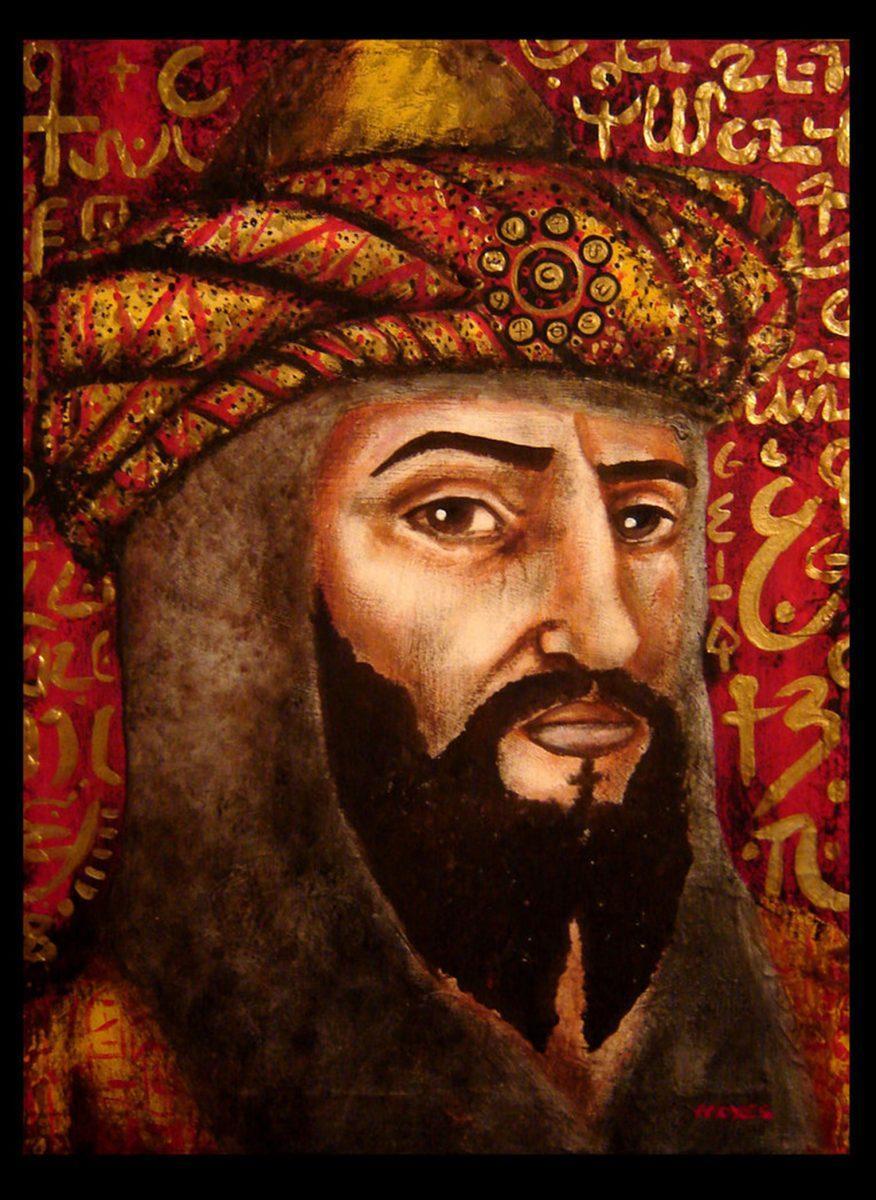
Renowned scholar and medieval historical expert Jonathan Phillips will present a lecture on Saladin, a military commander who helped retake Jerusalem from Christian crusaders in the 12th century. The event is the 11th annual Riggsby lecture on Medieval and Mediterranean History and will take place today at 5:30 p.m. in the Lindsay Young Auditorium.
Heather Hirschfeld, associate professor of English and Riggsby Director of the Marco Institute for Medieval and Renaissance Studies, said she hopes the series will provide a connection between the religious violence of Medieval times and current conflicts.
“This kind of intercultural violence that the crusades represent have bearing on our own times and our own understanding of cross cultural contexts,” Hirschfeld explained.
Hirschfeld said she suspects Phillips will examine how Saladin was viewed both in his own time as well as throughout history, as he is still largely regarded as a heroic figure in Muslim communities throughout the world.
Jay Rubenstein, a professor in history who extended the invitation to Phillips, said the visiting scholar is both an engaging personality as well as one of the world’s leading experts on crusader history.
“This is one of the world’s great historians and also one of the really great speakers,” Rubenstein said. “It’s a curious combination of a really famous scholar, a really charismatic scholar and a really interesting topic.”
While his interest lies mostly with First Crusade, Rubenstein said he views that time period as one of particular interest.
“It seemed like a story with lots of fabulous characters and complexities,” said Rubenstein of his initial interest in the topic, noting that his fascination in the Crusades has increased since the terrorist attacks of 9/11.
Rubenstein also said Saladin’s success in mirroring the religious zeal of the Christian Crusaders led to him nearly driving the West completely out of the Middle East.
“He was the first military leader to sort of understand what the crusader’s had done and adopt that mindset for his own time,” Rubenstein said. “Saladin is remembered historically as a person who more or less united the Arab world.”
The Marco Institute for Medieval and Renaissance Studies, which is sponsoring the event, specializes in an interdisciplinary approach to studying the Middle Ages. Spanning eight departments and two colleges, Hirschfeld said it’s not uncommon for professors ranging from English to musicology to convene in order to better understand these early periods.
“It’s scholars studying the early periods from all these different, disciplinary perspectives,” Hirschfeld said. “It’s sort of the broadest kind of scholarship or study of these early periods.”