International students may experience delays getting to school on time for fall classes.
The I-20, a U.S. government form, tells students when to arrive in the United States, but some may miss this date.
“Students who report for visa interviews overseas too late for arrival by UT’s stipulated Aug. 11 report date may see their applications automatically denied,” said Jim Gehlhar, director of the Center for International Education. “If not denied there, it is possible that U.S. Immigration officials will deny them at their U.S. port of entry, sending them immediately back home.”
As of now, UT is uncertain of how many students will actually make it in time for class.
“It may delay some new students ’til spring,” said David Lawson, assistant director of the Center for International Education. “This may mess up timetables. Some students who are going home will be delayed, and some people didn’t go home for fear of the process. We won’t know the full impact until the semester begins.”
Before, professors could simply grant arrival delays, but with the current stiffening of regulations, the arrival delay grant might not work.
“A delay would be if a professor receives an e-mail from an international student, and he says it’s OK as long as you arrive by a certain date,” Gehlhar said. “However, officials are now thinking about the letter of the law, which means that leniency cannot be expected anywhere along the line.”
The recent tightening of the rules comes in the aftermath of Sept. 11.
“It has been discussed for 10 years,” Gehlhar said. “The government got serious about it after September 11 – the events on that day spurred it along. Due to the nature of things, airport officials are looking and interviewing more carefully. Now everyone is afraid of being in tomorrow’s headlines.”
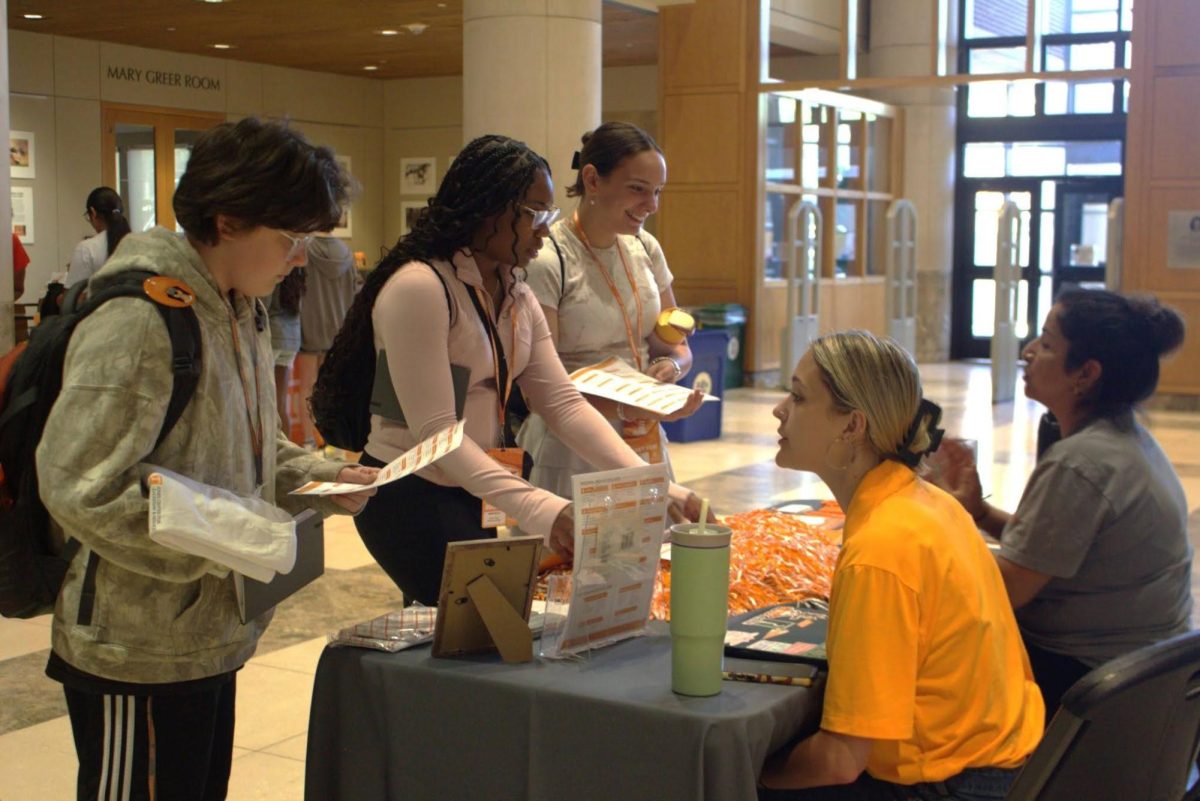
If arrival delays were granted and the student made it to campus, they would miss orientation, placement exams and the English proficiency test. Furthermore, the late arrival would cause the students to be behind in their classes. All of which could cause future problems.
With tighter regulations, enrollment numbers may be affected in the future in campuses across America with international students searching for leniency.
“It (tighter regulation) is going to deter students from around the world from coming to the United States,” Lawson said. “Great Britain and Canada are stepping up recruitment to take part of that market away from the U.S. The U.S. used to be reasonable, now it’s slower. People are going to take the path of least resistance.”