If you buy it with a credit card, it may take you a lifetime to pay it off.
A recent study done by the Senate Banking Committee shows only 10 percent of high school seniors have taken a financial course, and 82 percent of high school seniors failed a financial exam. However, this same study found that a whopping 83 percent of the undergraduates polled at one university had at least one credit card.
“Financial literacy deals with the ability to understand financial reality,” Harvey Warren, president of the National Consumer Council, said.
About 12 percent of those with a card have already maxed it out, and more than 67 percent of those making payments on a card use their financial aid to pay for it.
“It is common for kids in school to run up about a $3,000 debt,” Warren said. “That debt can take up to 56 years to pay off because they can’t pay more than the minimum payments.”
After doing some research on the college student-credit card phenomenon, the NCC has started a campaign to warn students about the dangers of credit card use.
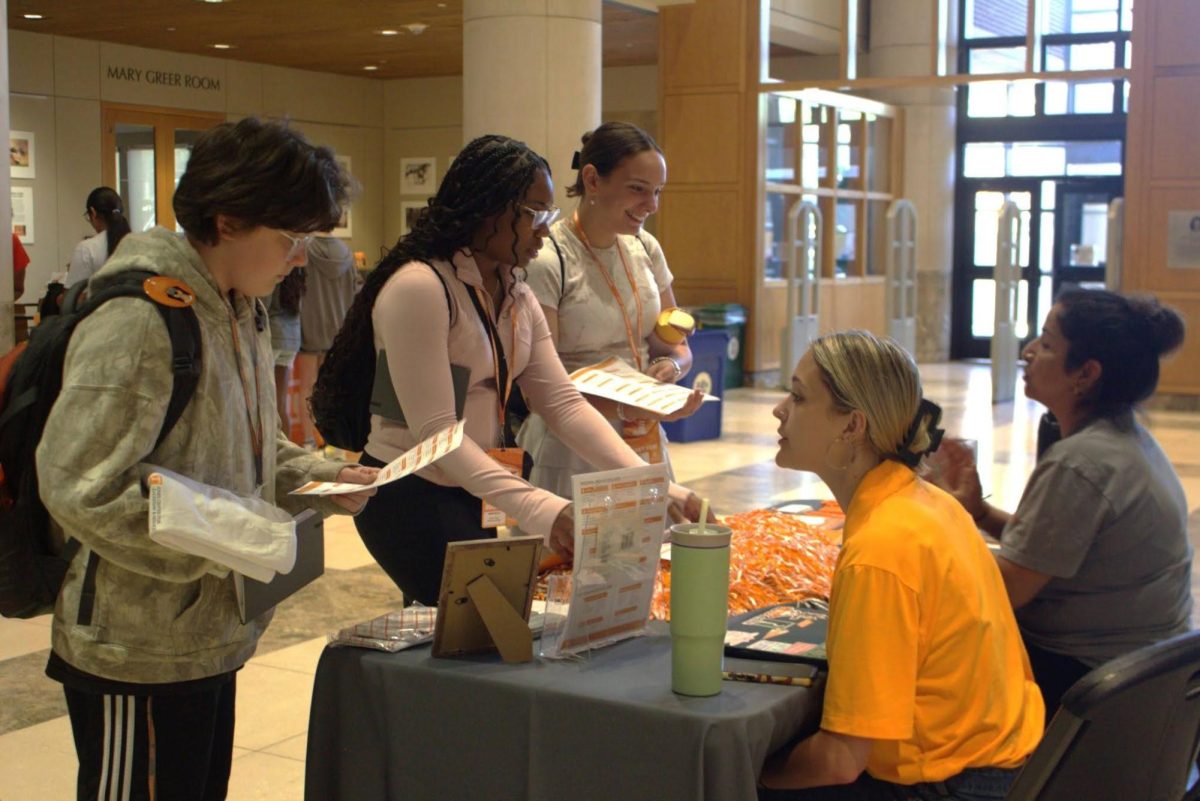
The council’s Web site: www.thencc.org, offers students important information about the sometimes negative consequences of filling out a simple application in order to get a discount or free item, which can easily lead to a life-long debt situation.
Warren said in the future, before receiving a card, students may have to meet one of three guidelines, which includes attending a finance class, having parents monitor the spending of the student and having the student demonstrate the ability to repay.
“(Companies) will give a card without even knowing if the student can repay,” Warren said.
Although the NCC is working to keep students out of debt, students who have already gotten themselves into trouble with a card and find themselves unable to repay should contact the creditor. If the creditors are unwilling to help, the student should then contact a negotiator, typically someone from the NCC to help.
“Credit is not a gift,” Warren said. “It’s a loan that you must pay back, and in an uncertain job market, it may be hard to pay that debt off.”
Students share similar feelings to that of Warren and the NCC.
“Credit cards can be useful when they are handled responsibly,” said Sharees Rudolph, a junior in engineering. “However, most students aren’t able to pay for a card – they just see it as a way to get free stuff at a football game.”