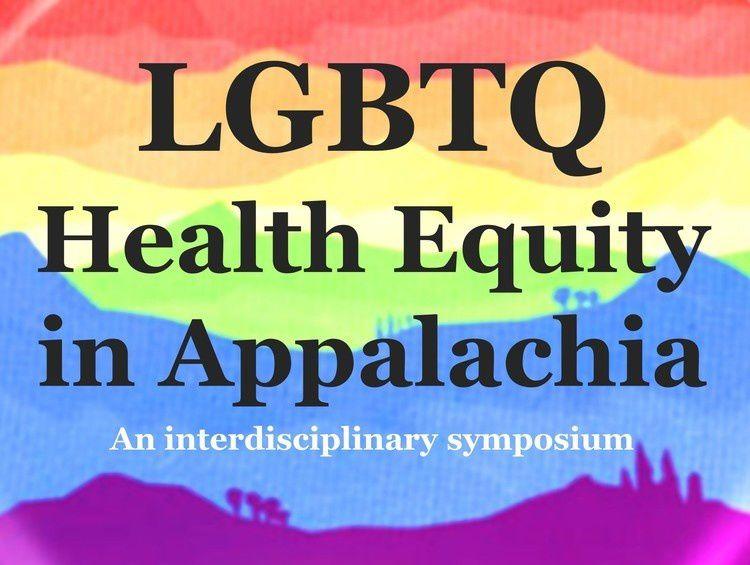
LGBTQ health will be discussed in a UT Department of Health symposium on Friday, April 6.
According to assistant professor in public health and main host of the event Jennifer Jabson, the symposium was designed to bring community members, local clinicians and health workers, researchers and scholars together to discuss the pressing issues affecting LGBTQ health equity here in Appalachia.
The symposium is divided into three main parts, starting with a panel discussion featuring three local and regional experts in socio-political experiences had by those who identify as LGBTQ+, health needs of LGBTQ+ people in the area, and the sources and role of stigma and shame on health among those who identify as LGBTQ+.
After the panel, keynote speaker and interim Chief Operating Officer of the Mazzoni Center, a federally qualified health center serving LGBTQ+ people in Philadelphia, Stephen Glassman will speak on the role of health centers in advancing health equity for LGBTQ+ people.
The event will conclude with a poster session where regional and local scholars, practitioners/providers and advocates will present the work they are doing to advance the health and needs of LGBTQ+ people in the region.
With this being the first LGBTQ public health symposium to occur at UT, Jabson hopes for the success of the symposium to inspire more in the future and for an eventual Center for Appalachian LGBT Health, Research, and Training to serve as a mechanism to improve health and health equity for LGBT people who reside in and around Appalachia.
Along with describing the needs of LGBTQ people in Appalachia and creating a groundswell of interest and enthusiasm for generating solutions to related issues, Jabson wants the symposium to help begin establishing a network of stakeholders who buy-in to and support the idea of a center.
“I envision that one day this center could be a premier location in East Tennessee for primary and preventive care for LGBTQ+ people, affirming research that can advance health promotion and health equity, and high quality evidence based training for providers, scholars, and public health practitioners,” Jabson said. “This is a very ambitious idea, and will take a long time to build.”
Joanne Patterson, event coordinator for the symposium, wants to see a community action board created to focus on identifying barriers to health equity and opportunities for promoting health equity for LGBTQ people in Appalachia and East Tennessee.
“The work of research, practice, and activism often takes place in silos, as if there is an arbitrary distinction between researchers, health workers, clinicians, and community members,” Patterson said. “In reality, those sectors and people overlap. I’d love to see us working together in a concerted effort to improve the health and wellness of LGBTQ people in this area.”
While the event is co-sponsored by the Commission for LGBTQ People and Pride Center, the symposium has received funding from the Office of Research and Engagement, the College of Education, Health, and Human Sciences and the Department of Public Health.
“It has taken all of these important sources of support to create this important and first of its kind event at UTK,” Jabson said.
Whether or not a center or community action board is formed after the symposium, Jabson and Patterson hope that the event inspires for conversation for LGBTQ public health in Appalachia and inspire bigger action in the future.
“Working with the LGBTQ+ community as a researcher and advocate and community member has led me to believe that we need a big solution for the negative and health diminishing experiences that people who identify as LGBTQ+ are having in our region,” Jabson said. “A symposium is one of many first steps toward this goal. I also hope to help connect people interested in and working on these issues…we can do so much more to advance health equity if we work together.”