UT has altered its alcohol policy to allow campus organizations to serve alcohol at their events if they have completed the new event registration procedure and have been approved by the university. With the new policy, however, there are still many restrictions, and all changes fully comply with state and federal laws.
In order for organizations to serve alcohol at their events, no one under the age of 21 may be served, the organization must be in compliance with the event registration procedure, the alcohol vendors must be approved ahead of time and alcohol may not be the focal point of the event being held. There are also additional rules like ID’ing guests and having security present.
When analyzing the previous alcohol policies, John Keith, the director of Sorority and Fraternity Life, claims they noticed some inconsistencies in the previous alcohol policy that these revisions will hopefully clear up.
“The goal for this wasn’t to figure out ‘how can we allow for organizations to have events with alcohol?’” Keith said. “It was, how can we remove barriers that were inconsistent with what we were seeing at peer institutions as well as how can we make sure that we got some common sense policies that were really in line with some of the changes the university had already made in regards to events on campus?”
Frank Cuevas serves as UT’s vice chancellor for Student Life and emphasized that the reason for these revisions was not led by the idea of alcohol but rather by the idea of continuity and safety for students.
“The health and wellbeing of our students is our first priority,” Cuevas said. “Any revisions to the policy when we were looking at this, we were looking through that framework. How do we create a safe environment for people making responsible choices for their own health and wellbeing?”
Because of their reasoning for these new changes, a vital component of the new policy is that alcohol is not permitted to be the focal point of organizations’ events. Organizations must have a clear reason for their gathering unrelated to alcohol in order for their event to be approved.
“Alcohol is not the focal point of an event,” Cuevas said. “It’s adjunct to an event. It’s served, it’s sold as part of an event by a licensed vendor.”
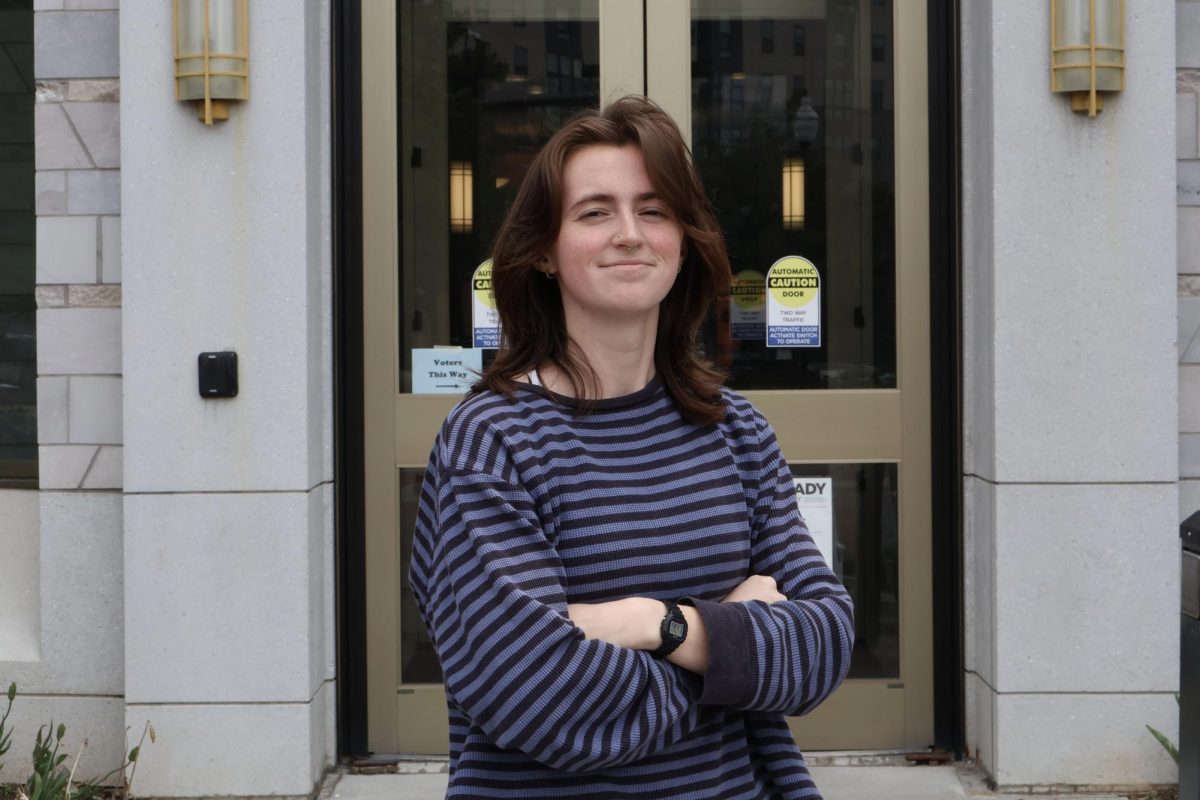
Student Body President Claire Donelan was not a part of the decision making in this revision, but the changes do align with a vision she saw for UT when she ran for president in the spring. Donelan sees many advantages that come with this new policy as it gives students a chance to see their events come to life in the way they intended.
“I’m excited to see students truly be able to put on programming that they want to see and have it come to fruition in the exact way they envision it,” Donelan said. “I think sometimes when we envision programming those visions are out of reach and are just not doable with the rules and regulations on the campus.”
Another significant benefit that comes with this new policy is risk reduction. Now that the policy has been altered, the university is hoping they can talk more openly about how to socialize safely and how to reduce the risks that come with alcohol.
“We wanted to provide a framework in which organizations could have social outlets in safe and secure environments and that they were having the conversations about proper risk management protocol, which is something we weren’t able to do previously because our policy restricted us from doing so,” Keith said.
The university’s goal is to be able to have a conversation with organizations about the plan for their event and what measures they are enacting to ensure safety for all students.
“More than anything, I think the event registration process provides us an opportunity to have a conversation with the organization where we talk about the purpose of the event, the focus, who are the people that are going to be there and then, ‘what are your risk management strategies?’” Keith said.
Despite the advantages that come with this new policy, Donelan understands how there could be some drawbacks that come with it, especially if students do not follow the specific guidelines laid out in the new policy. She hopes, however, that the relationship between administration and organizations will be strengthened through this and that students will trust the way the university is handling alcohol.
“Any time there’s alcohol involved, there’s potential for things to go wrong,” Donelan said. “I think that the university has taken a lot of steps to make sure we’re being safe, we’re being transparent, we’re being aware of the issues that come along with having alcohol at events.”
“Something I hope for is that student organizations will be able to see the university and the administration as someone that they will be able to work with.”
In order to register an event following the proper guidelines, student organizations can go about the same process they would for reserving space on campus on Ad Astra. They will then be contacted by someone to discuss the plan for the event and the protocols in place. Sororities and fraternities can go through a similar process on VOLink to register their events and get approval.
The full revisions to the alcohol policy and new parameters in place can be found in the Student Life Handbook.