Out with the old, in with the new.
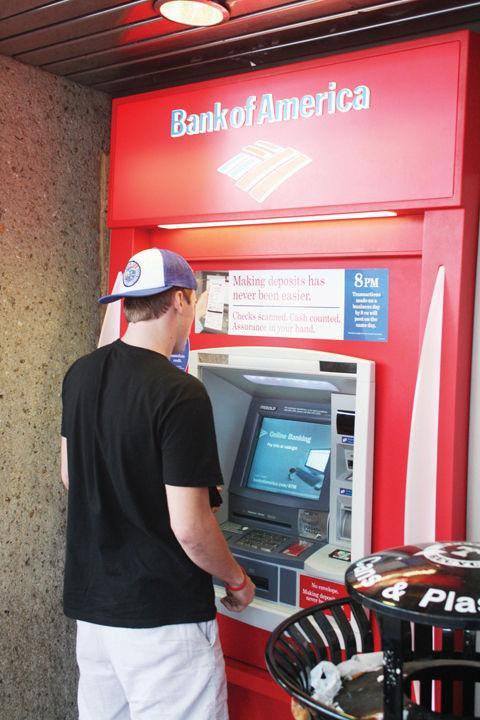
The “money wall,” once a student landmark of ATMs lining Philip Fulmer Way outside the UC, is now a bleak image of plaster wood and boarded holes.
The removal of the ATMs was in preparation for the demolition of the UC parking garage, which will begin on Saturday.
Jeff Maples, senior associate vice chancellor for finance and administration, said the demolition will be a slow process.
“There are utility issues, and several things must occur,” Maples said.
During the demolition process, three ATMS will be placed inside the airlock area of the UC: SunTrust, Bank of America and First Tennessee will be available for student use after Spring Break. Students who bank with Regions or other ATMs formerly on the wall will have to commute to other locations.
Hunter Ripley, senior in logistics, banks with Regions and ORNL Federal Credit Union and will miss the convenience of using banking services on campus.
“Ultimately, it’s not an easy spot anymore — I was always on campus almost every day.” Ripley said. “Now that (the removal) has happened I have to go elsewhere and go further down Kingston Pike. It’s not too far, but it’s just an inconvenience.”
Ripley, along with other students who use banks other than the three being placed in the airlock area, will have to pay ATM fines to use the machines.
Katie Clark, junior in journalism and electronic media, believes the entire construction of the new Student Union is unnecessary.
“I think the money wall does not need to be destroyed this year. I don’t even think the UC needs to be redone,” Clark said. “I think other buildings on campus need a lot more attention.”
The entire reconstruction process for the new Student Union will cost $160 million. Maples said the complete details of a possible construction of a new money wall or a similar area is not known.
Until then, Maples said the three ATMS in the airlock area will give students some solace for the removal.
“What we want to do is to provide a good option for students,” Maples said. “Maybe it’s not what we had we’ve had to before, but it’s close.”