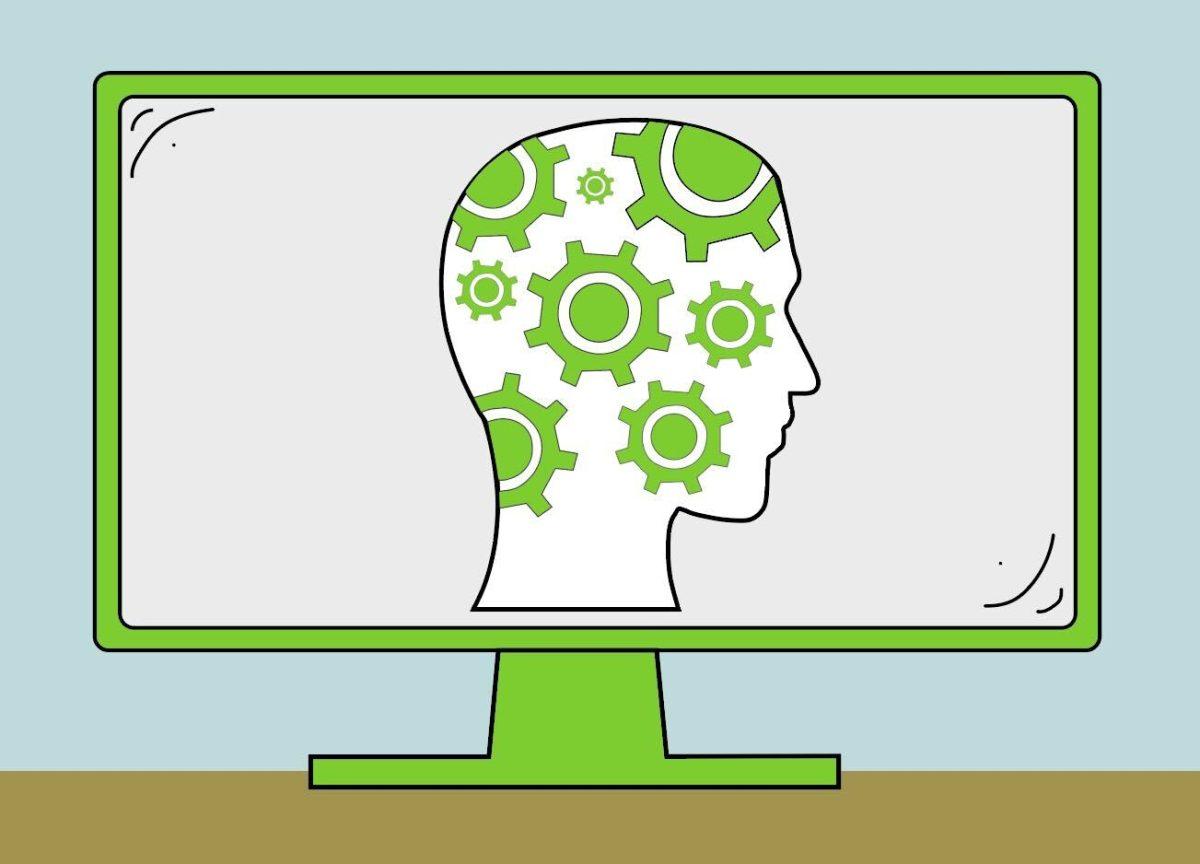
On Friday, Sept. 22, the College of Emerging and Collaborative Studies held all-day conference meetings via Zoom on the advancement of artificial intelligence. AI is a robot controlled to perform human actions through technology and complete tasks from human requests. Those involved in the meetings were educators, students, researchers, administrators and industry experts who have knowledge in the AI field.
The purpose of the meetings was to openly discuss AI in higher education. The directors of the meetings came together to communicate how AI has impacted society and how to prepare for an AI-dominated world, specifically in educational settings.
AI has been around since the 50s. The reason for the spark of conversation of AI today is because of the increasing application of AI and how quickly it has adapted to current technology.
Since the world has progressed in technology over time, it is no surprise that AI has become more relevant in educational and career settings. However, the thought of AI becoming more relevant today has caused some controversy. Some people are fascinated by the advancement of AI technology, and others feel more fearful of what this means.
Yiran Chen, the John Cocke Distinguished Professor of Electrical and Computer Engineering at Duke University, spoke about how vital AI has become and addressed the main concern that people have about it.
“Let AI work with you, not for you,” Chen said.
Chen was aware that most people who have a fear of AI are intimidated by AI taking jobs from the normal human population. He reinforced the idea that AI can help us in our careers as an assistant rather than becoming in charge. He also stressed that AI has severely impacted the way we transmit information. Now that we have AI technology involved in educational and higher professional settings, there is no going back. Society must allow AI to collaborate with everyone.
Lynne Parker, an associate vice chancellor and director of the AI Tennessee Initiative, spoke about how AI impacted her discipline and how it could impact higher education.
“AI offers new opportunities for research, job opportunities, and all students should learn about AI,” Parker said.
She believes AI is something we cannot be afraid of. She said we need to learn about it and have everyone catch up to AI. She is also aware that people are afraid or uninterested in AI, and this prevents people from wanting to learn about it.
Parker also spoke about how higher education can keep up with the changing technology of AI.
“Students learning in AI classrooms have the opportunity to be leaders in implementing AI in society,” Parker said.
This means that this current generation of graduating students is a crucial part of keeping up with AI. It is up to those students to have the determination and the vision for the future of AI.
Douglas Vargo, the vice president of Emerging Technologies Practice Lead CGI Inc., spoke about how higher education professionals hire and train with the rapidly changing workforce with AI.
“We need to partner with higher education and prepare students with computer science and soft skills,” said Vargo.
Partnering with higher industries gives a way for society not to fall behind AI. One example Vargo gave of how Tennessee is partnering with higher education is that there is now a delivery center in Knoxville that can influence AI educational programs. Parker also mentioned that there is an AI 101 class here in Tennessee that establishes AI literacy.