College is a time for freedom, enjoyment and independence, but Halloween can bring some unexpected challenges alongside the delightful treats. The Center for Health Education and Wellness hosted Safety Isn’t Scary on Oct. 30 to educate students about the importance of taking precautions in several areas on campus and to prepare them for Halloween festivities.
CHEW aspires to enhance the overall physical and mental health of the UT campus by using evidence-based approaches. The organization also seeks to encourage students to make wise choices regarding their health and cultivate sustainable, healthy habits.
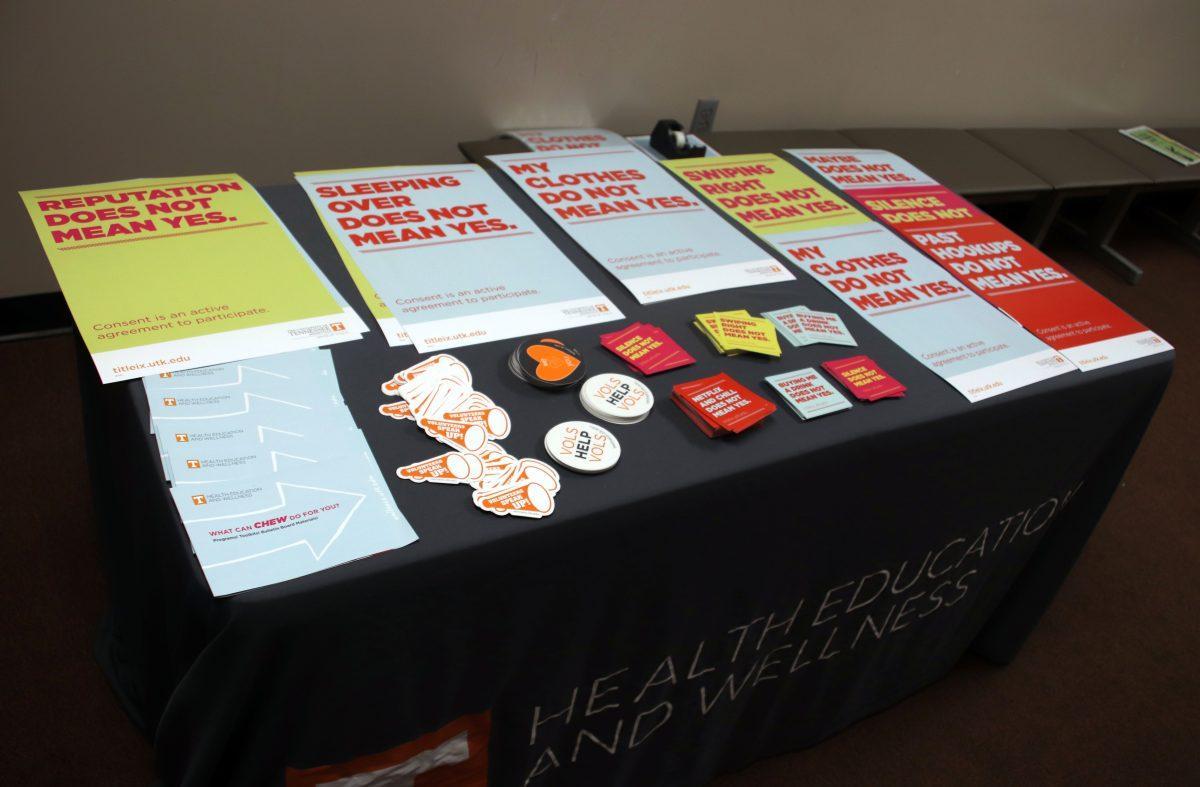
Outside of the Humanities and Social Sciences Building, several tables with CHEW staff and other UT partners — Office of Title IX, University Police, Rocky Top Recovery and Student Conduct & Community Standards — hosted various activities focused on staying safe this Halloween.
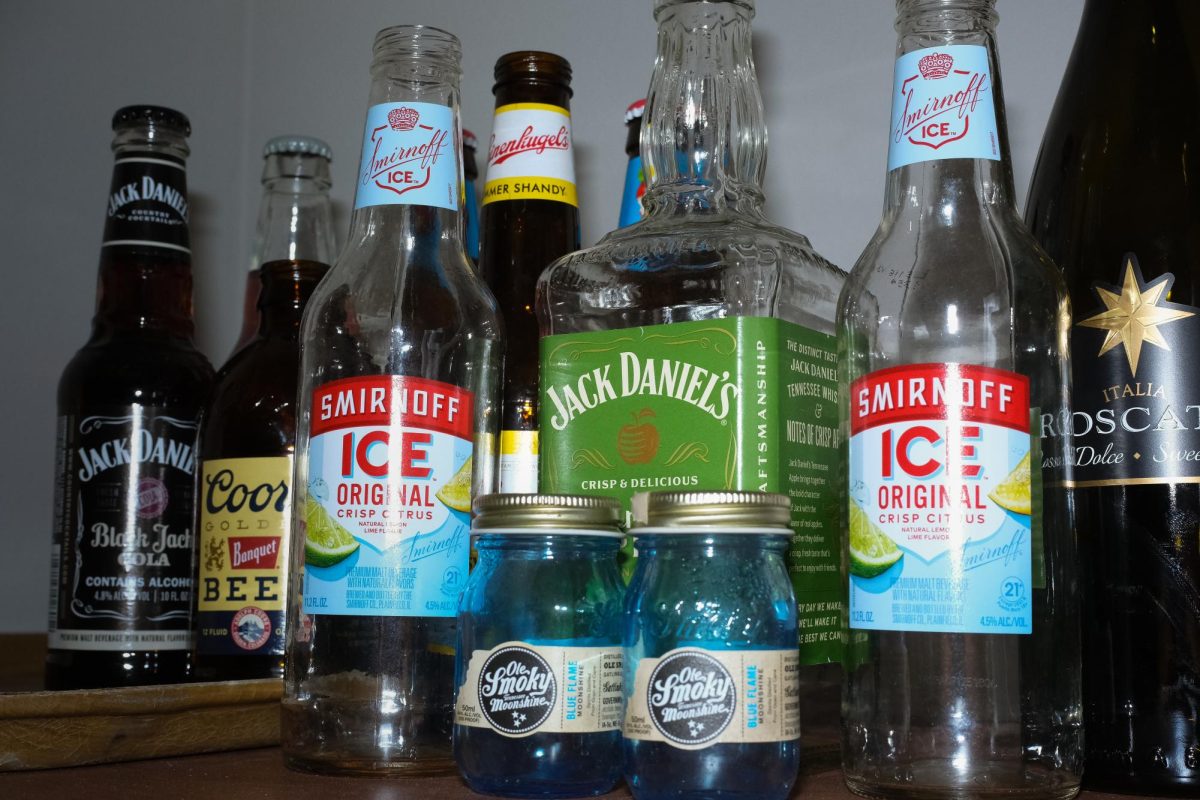
The Safety Isn’t Scary event addressed some vital subjects such as responsible drinking, sexual practices, transportation options on campus, overdose prevention measures and how to be mindful of cultural appropriation when choosing costumes.
Each student who participated enjoyed delicious pizza and received a mini pumpkin to decorate in celebration of the Halloween season. Students were also given a stamp card to track their participation.
Elle Peeples, the wellness coordinator for alcohol and other drugs for CHEW, spoke on what students should take away from these activities.
“We want students to leave Safety Isn’t Scary with more information on how to stay safe on Halloween that perhaps they had not considered before and to feel more empowered to have a Halloween that is both fun and safe for them and those around them,” Peeples said.
Halloween brings an increase in risky activities. One major concern to be aware of is the potential for drinking and driving.
The Roth Firm, a personal injury law firm, highlights that every year on Halloween night, pedestrian fatalities increase by about 40 percent, with nearly 50 percent of those involving a driver under the influence.
“The activities and education on these topics provided at the event will help students keep themselves safe and intervene if someone around them may be in danger of making a poor decision,” Peeples said.
The event not only teaches students some guidelines for a healthy Halloween but also what it means to be a Vol. Nicole Wiggs, the wellness coordinator for collegiate recovery program at CHEW, talks about what is expected from students.
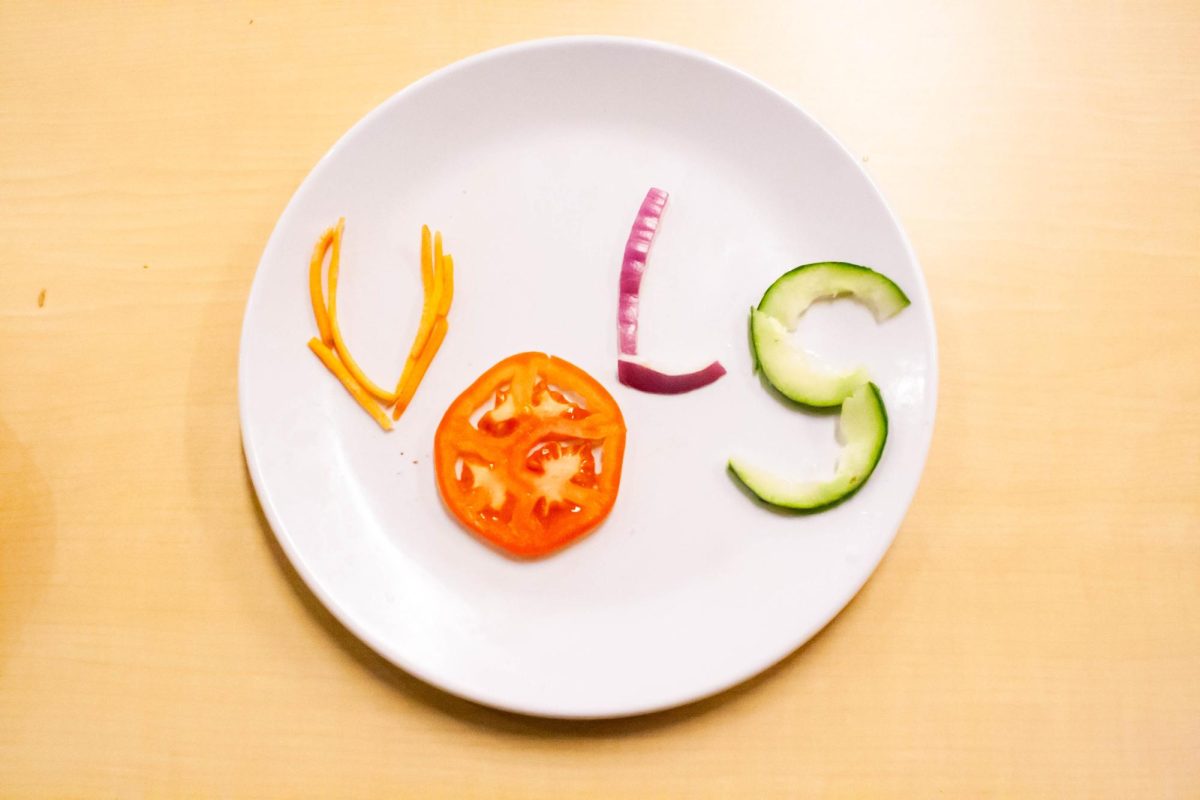
“We want all students to demonstrate our motto — Vols Help Vols,” Wiggs said. “It’s on all of us to be active bystanders this weekend and all the time.”
Wiggs also encourages students to recall the Student Conduct and Community Standards’ amnesty policy.
The amnesty policy involves an impaired student and a good Samaritan. When a student sees an impaired student — a student in need of medical assistance — the good Samaritan is urged to be a bystander and to contact a reliable resource for help.
Student conduct and community standards reminds students that if a good Samaritan is under the influence of alcohol or drugs, they should still call for medical intervention without worrying about potential repercussions.
Whether students are partying, indulging in trick-or-treating or wandering around campus in costumes, CHEW demonstrates how students can experience all of the treats and none of the tricks.
“The Center for Health Education and Wellness invites all Vols to enjoy this holiday weekend by having fun safely,” Wiggs said.