
The Center for Care and Resilience is one program that students might overlook, yet may be exactly what a student needs to succeed and find direction during times of stress.
As an incoming freshman, joining a new university requires absorbing a considerable amount of information quickly while adjusting to the new routine of college life. The last thing on the mind is which services provide accessible mental health support.
Without question, college students continue to experience a mental health crisis, with anxiety and depression reported as the most prevalent. Acknowledging this fact, the University of Tennessee is equipped with a range of resources to support its students more effectively.
“CCR’s team can provide ongoing support while also connecting students to more specialized services,” Andy Buckner, assistant director of crisis and intake at the CCR, said. “The team is very knowledgeable about mental health resources both on and off campus. CCR staff are also trained to listen — to hear students’ unique needs, help them identify and create goals, and make an action plan to achieve those goals.”
The CCR takes pride in its accessibility, as the program is offered at no cost to undergraduate and graduate students and is available year-round, including during the summer.
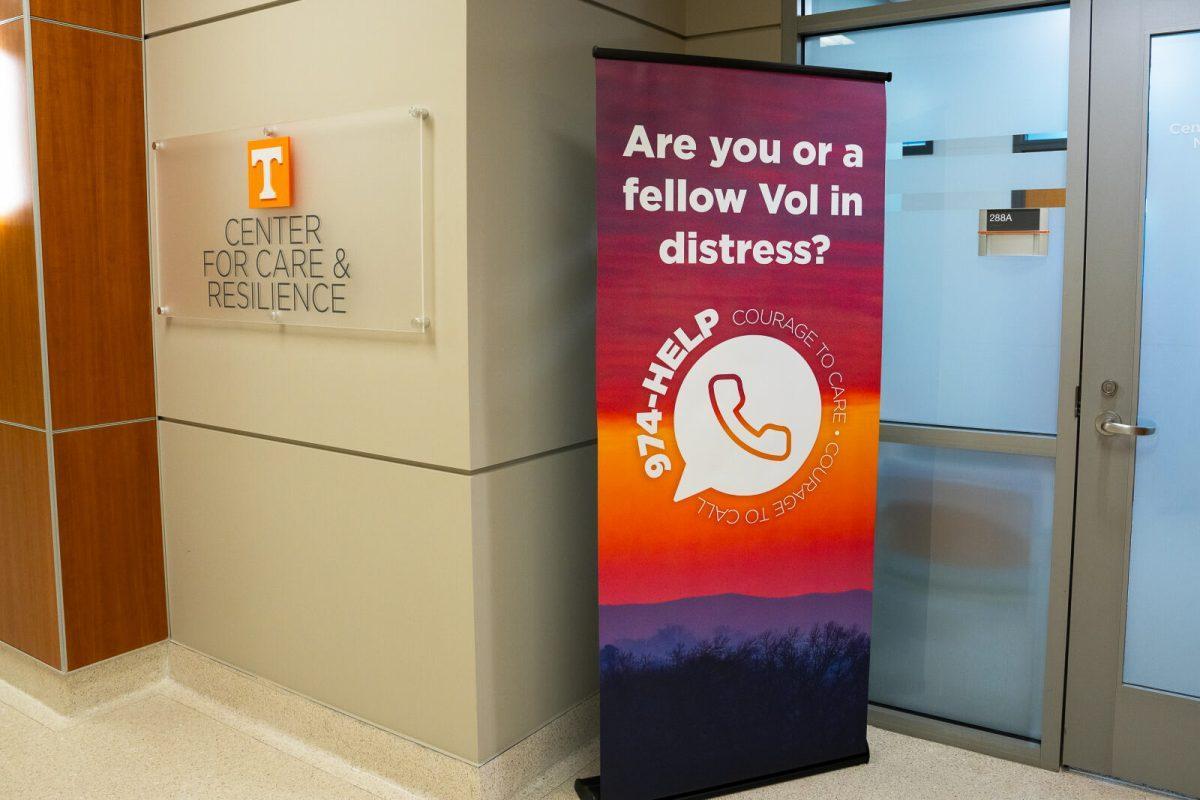
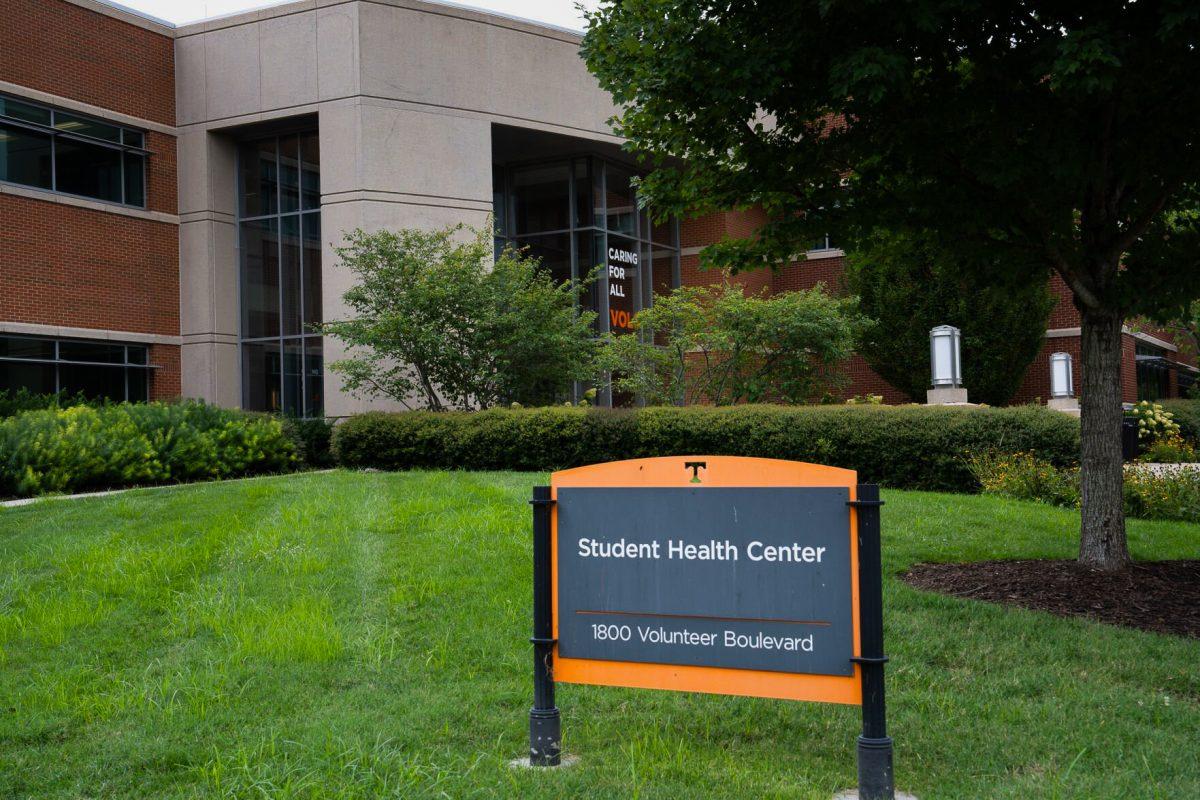
The Center for Care and Resilience inside the Student Health Center. Tuesday, Aug. 5, 2025.
When to utilize CCR
Spotting the signs of someone experiencing distress can make all the difference in knowing when to get help. One of the most noticeable signs is underachievement in academic performance or a decline in class attendance.
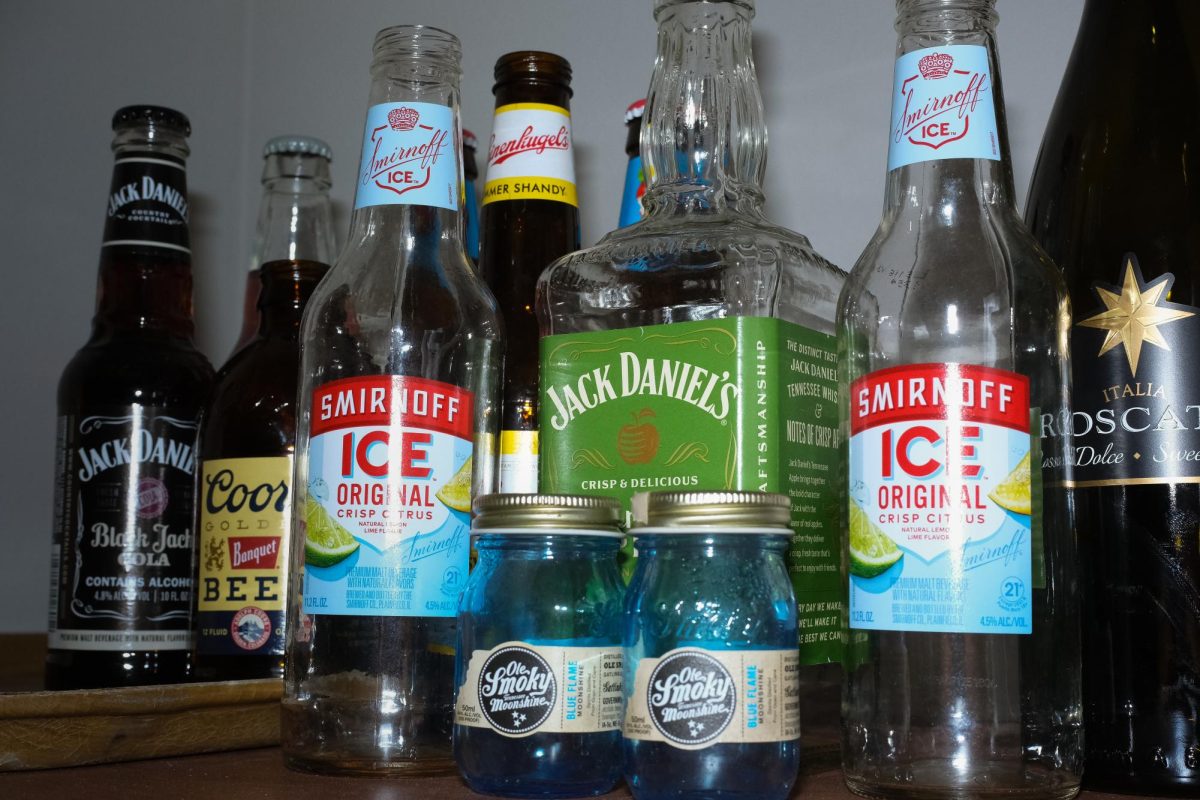
A more obvious indication is someone who acts out of character, experiencing sudden changes in mood, sleep and eating habits. More concerning shifts in behavior can include acts of violence, excessive drinking, use of drugs, verbal or physical abuse and incoherent communication.
Students exposed to difficult external circumstances like a recent death in the family, sexual assault or huge financial losses may also consider seeking mental health attention through CCR.
Submitting referrals
Students can submit referrals for themselves or another student in need through two options: calling 865-974-HELP — 4357 — or completing an online form.
“Last year about 30% of students self-referred, and about 70% of students were referred by someone else,” Buckner said. “Anyone — staff, faculty, advisors, friends, acquaintances, family members — can make a CCR referral if they are concerned about a fellow Vol.”
Both options encourage personal identification information, such as your name, UT email, student ID number and phone number, so that CCR can connect the student with a care coordinator.
“The relationship between a student and a care coordinator is primary and essential, and care coordinators empower students to self-advocate and access resources on campus and in the community,” Buckner said.
After talking with the care coordinator, the student will set an appointment. Following a referral over the phone, students can expect a response within 24 hours. CCR will contact students within one business day who submit through the online form.
When referring another individual, CCR advises students to submit “concerning messages” — such as texts, emails or GroupMe messages — for review. Once CCR connects with the student, privacy laws follow, as the CCR may be limited in sharing further information.
“While CCR cannot guarantee anonymity, we treat all referrals with confidentiality and discretion,” Buckner said. “Students who are referred to CCR have the choice to engage in services or not. Services can be discontinued at any time.”
Making appointments
The CCR hours are Monday through Friday from 8 a.m. to 5 p.m. If students reach out to CCR during regular hours by calling 974-HELP, a member of the CCR team will be in touch with them.
If students need further assistance after hours, they can dial 974-HELP, which is available 24/7 — with the distinction that a mental health professional will answer and direct you to your needs.
Students can also consider walk-in appointments, accessible on the second floor, suite 288, of the Student Health Building.
For immediate help, do not hesitate to call the suicide hotline at 988, 911 or UTPD 865- 974-3111.