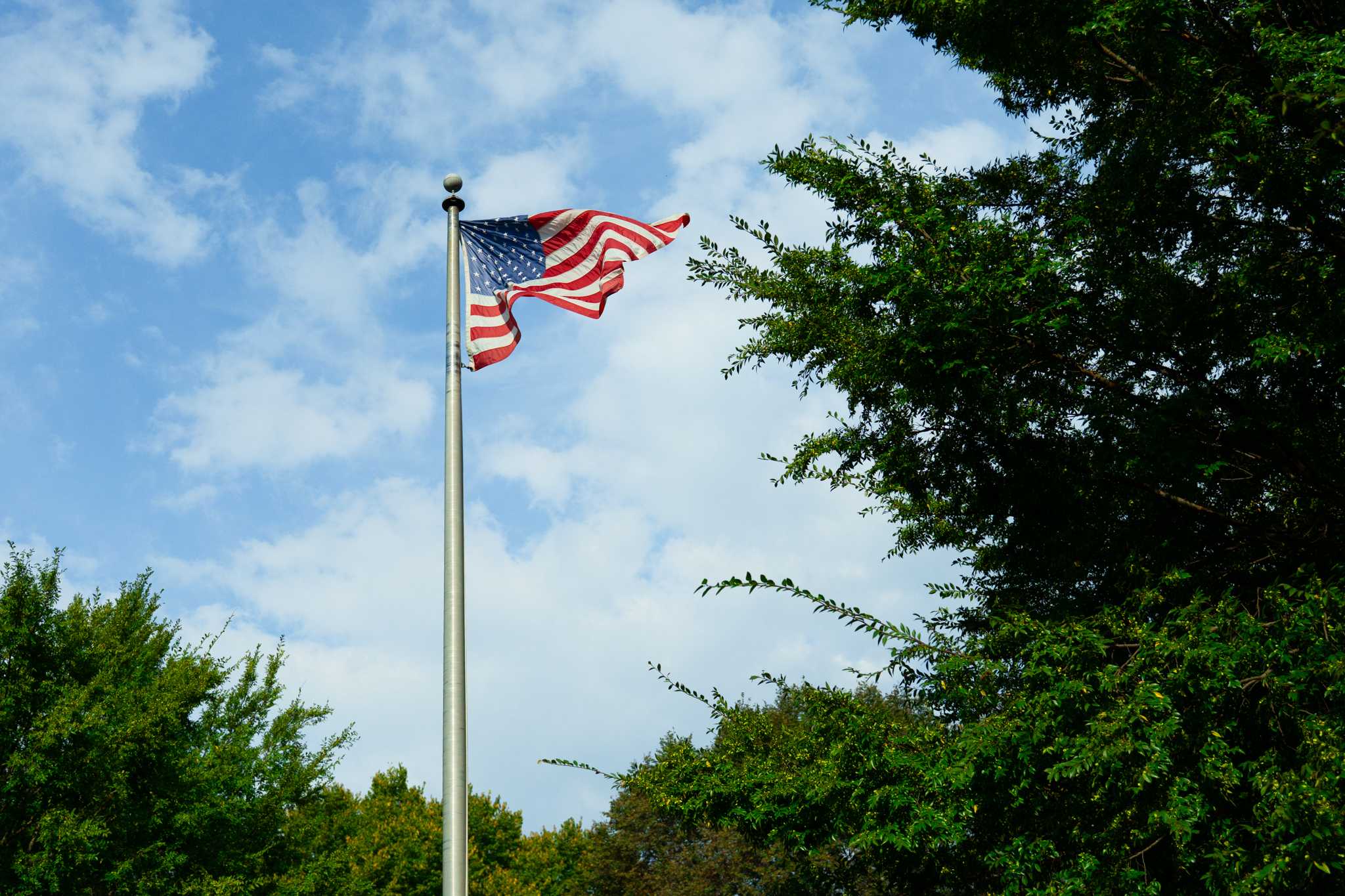
Each year, UT student veterans walk across the graduation stage under bright lights, wearing patriotic chords draped across their shoulders — a reminder of their dedication that brought them to this moment of success.
The road to the stage isn’t an easy one. Before they reach graduation, some student veterans struggle to navigate college because their previous experiences have been so different from other students’.
“I was one of those struggling vets for a while,” Christopher Sarrazin, a senior student veteran in the social work program, said. “I went through a rough patch fall of 2023, almost dropped out of my program, and I just wasn’t sure how I was going to continue.
“We’re non-traditional students. It’s really hard to relate to people, and it’s difficult to find a balance.”
Sarrazin faced an additional obstacle during his training for U.S. Marine Corps — he lost a friend to suicide in 2016.
“It was a huge impact and … I missed being able to sort of grieve with my unit,” Sarrazin said. “So I came back and that really just kind of sat with me and became a big thing for me.”
The loss motivated him to become the assistant Suicide Prevention Program Officer within his unit, connecting veterans with proactive mental health services.
He opened the conversation about why mental health matters in the military and Marine Corps.
“I wanted to make that a forefront experience for people,” Sarrazin said.
To make himself feel more at home as a student, Sarrazin said he created his own community at UT by getting involved in student life. He served as vice president of the Bachelor’s Social Work Organization and created a service team, which led to more outreach like volunteering with the Daily Living Center and doing drives.
Like Sarrazin, Thomas Cruise also faced uncertainty regarding his education and career.
“I had been in a couple of different colleges, didn’t do that great at all,” Cruise, a former student veteran and current director of the Veteran Success Center, said. “I was working as a janitor at a hospital when I was like 20, and I had really no direction in my life, didn’t know what I wanted to do. College just wasn’t it at the time.”
That momentary unpredictability eventually propelled Cruise to join the Air Force, where he served six years as Crew Chief. He focused primarily on aircraft maintenance on the F16 fighter jet — a type of aircraft model, the smallest of all the fighters with one engine.
The job included long hours and heavy maintenance to ensure the aircraft stayed in the air and came back safely.
“They (F-16s) were technically designed to kind of be a throwaway aircraft … but they ended up being very effective in combat and (the Air Force) kept them in the air much longer than intended, so definitely a challenging aircraft to work on,” Cruise said.
In 2015 he came to UT as a student, but he struggled financially and considered dropping out. In 2016, he reached out to Jayetta M. Rogers, then VA School Certifying Official at the time, and she offered him a job as a VA work-study student.
His experience as a veteran with financial struggles empowered him to serve other students experiencing similar distress.
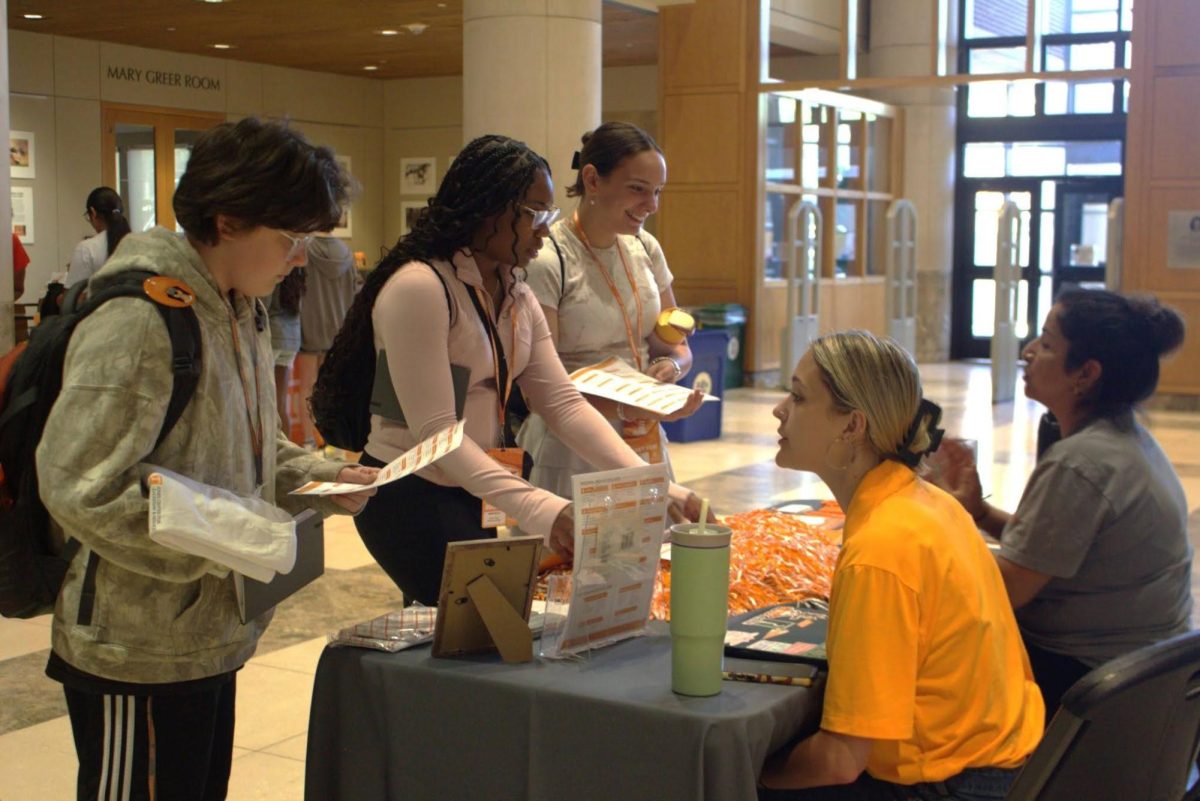
The Veteran Success Center, an initiative helping student veterans transition from a service member to a student, serves as an essential resource for student veterans like Sarrazin.
During his moments of unpredictability, VSC and VSC staff helped propel his academic journey. VSC gave him the ability to get back on track with his academics, do research abroad and work toward finishing his bachelors.
When Cruise was a student at UT, he said most student veterans would go to the vet center, go to class and then go home.
“There really wasn’t a lot of connection with the university,” Cruise said.
Over time, the VSC continued to develop outreach and collaboration with different offices, recognizing that student veterans yearned for integration and connection with the university.
“Today, we have vets in fraternities and sororities, we have vets in student government, we have vets all over the place, and that’s amazing. That’s what we want,” Cruise said.
One of Cruise’s most cherished parts of working with the VCS is witnessing student veterans making it to that graduation stage, honored with their medallion and red, white and blue cord.
“That’s always an amazing feeling because we remember how they felt, how we were empathizing with them at the beginning,” Cruise said. “Our graduation numbers seem to increase every semester.”
With Veteran’s Day being so recent, Sarrazin reminds other students like him that this national holiday is not measured in terms of different levels of success and accomplishments.
“Whether you were in combat or deployed or not, you served.”
Sarrazin said it took him a long time to accept the fact that he didn’t deploy or see combat.
“My service doesn’t have to be less than because I didn’t,” Sarrazin said.
According to Cruise, some student veterans voiced that while their military experience will stay with them forever, some may want to keep their veteran experiences, good or bad, in their past — most student veterans want to be seen like every other traditional student.
“They might not want to come to a Veteran’s Day event,” Cruise said. “But, if we have a collaboration with student life and student government, they might be interested in that because they want to serve in a leadership role in the government or other areas.”
As this national holiday allows us to honor those who served, it may also be a time to check on your fellow student veterans because you never know what someone is going through, encourages Sarrazin.
“If you’re struggling with your mental health and I know many of us are, especially in this season, this time of the year, reach out. … We are stronger together. We’re not meant to be isolated,” Sarrazin said.
If you are a veteran in a crisis, do not hesitate to call Veterans Crisis Line at 988, then press 1.