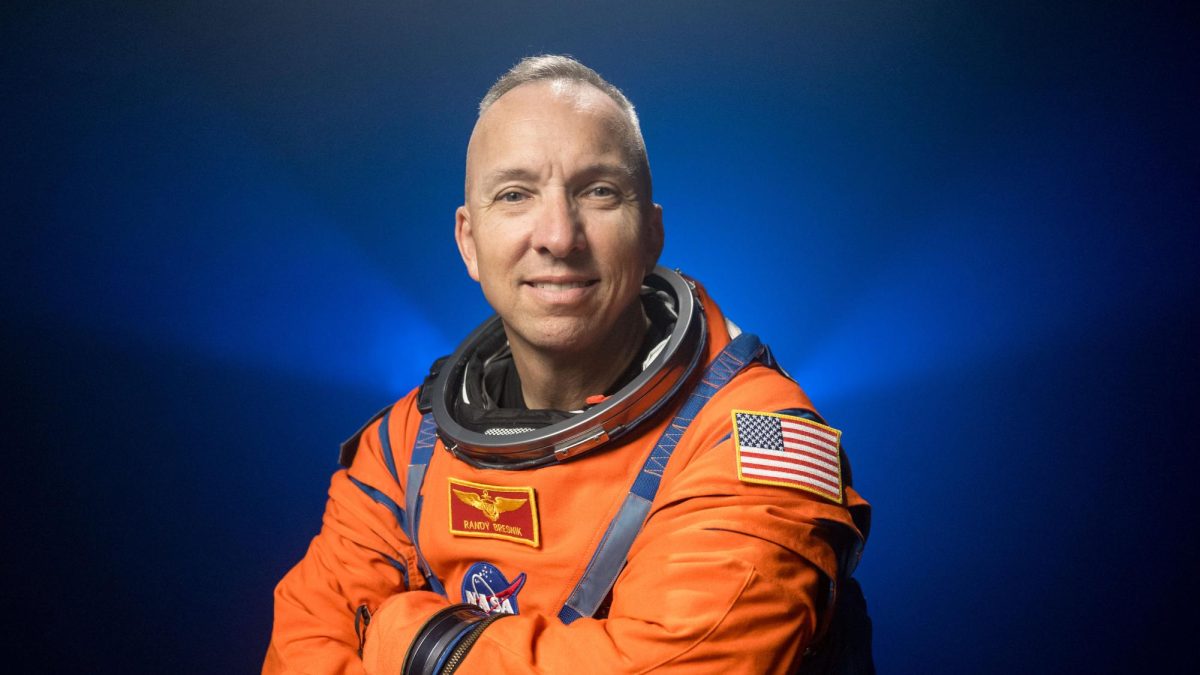
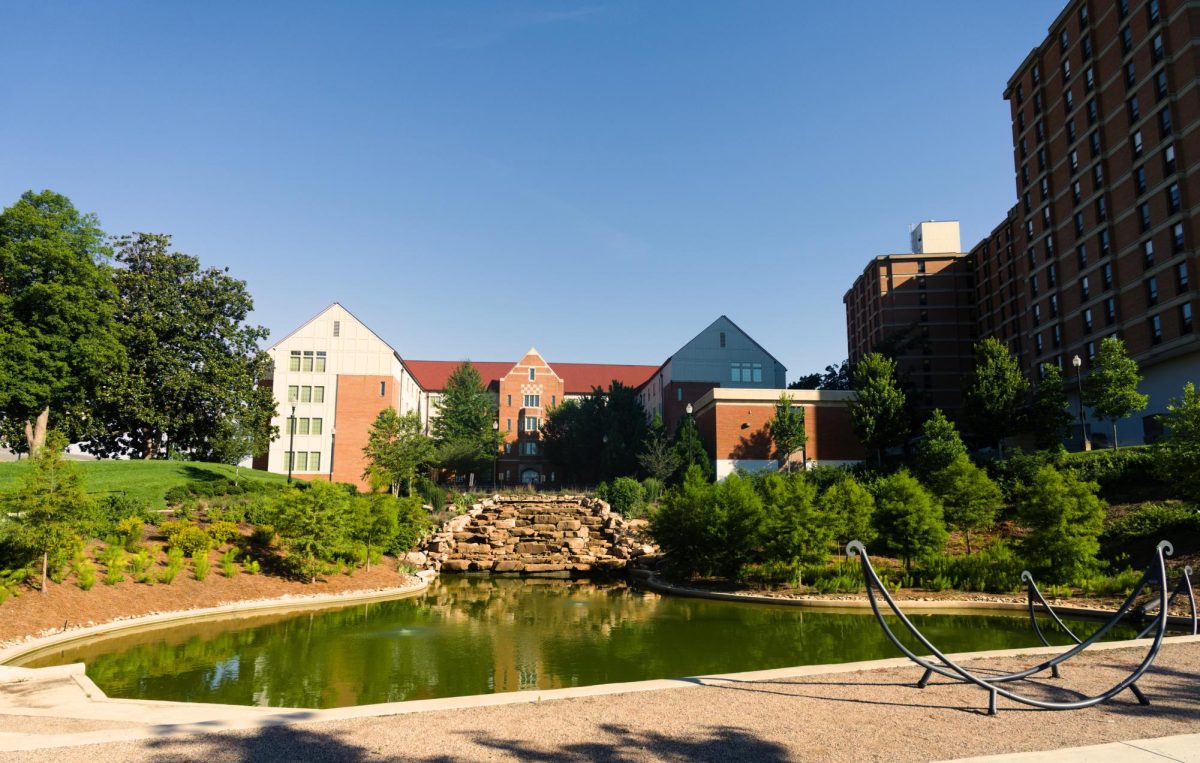
Approximately $1.5 million in grants was presented by Rep. John J. Duncan, R-Tenn., on behalf of NASA to The University of Tennessee Center for Environmental Biotechnology on Aug. 11.
“The research grant is for producing new technology for improving astronaut health and safety aboard spacecrafts,” Mathew Lehigh, communications director for Duncan, said.
Gary Sayler, professor of microbiology and ecology, said research requests are filed on topics important to their mission.
“NASA recognizes a need, solicits research proposals that may fill the need and awards grants based on competitive peer review,” Sayler said.
Some of the money goes to faculty salary, student salary, technicians, supplies, computers, equipment and travel. Sayler also said UT retains money to cover the cost of using buildings, electricity and other types of UT utilities.
“Many researchers are paid, some get to travel and some participate in important research publications,” Sayler said. “The state, the people of Tennessee and UT students do not bear any of the cost of doing research.”
With this grant allowing UT to do research for the National Aeronautics and Space Administration, UT students get “state-of-the-art training in new technology and a window to the wide world of how science and engineering research is done,” Sayler said.
“This experience could lead to good jobs as well as to future graduate education. For graduate students, the grant gives them a vehicle. It’s the research training ground they will build their M.S. or Ph.D. careers upon,” Sayler said.
Sayler said the grant betters UT because research is the university’s mission. He said the opportunity to participate in the process of creating new information is why students go to a major research university like UT, Sayler said.
Of the schools that applied for the NASA grant, only eight received it.
“Only the highest-scoring proposals in the competition generally are the ones funded,” Sayler said.
Lehigh said Chancellor Loren Crabtree and the university’s research team was in attendance Aug. 11 on the 7th floor lobby of the Science and Engineering Building. After the check was presented, a tour of the facility’s lab was given.