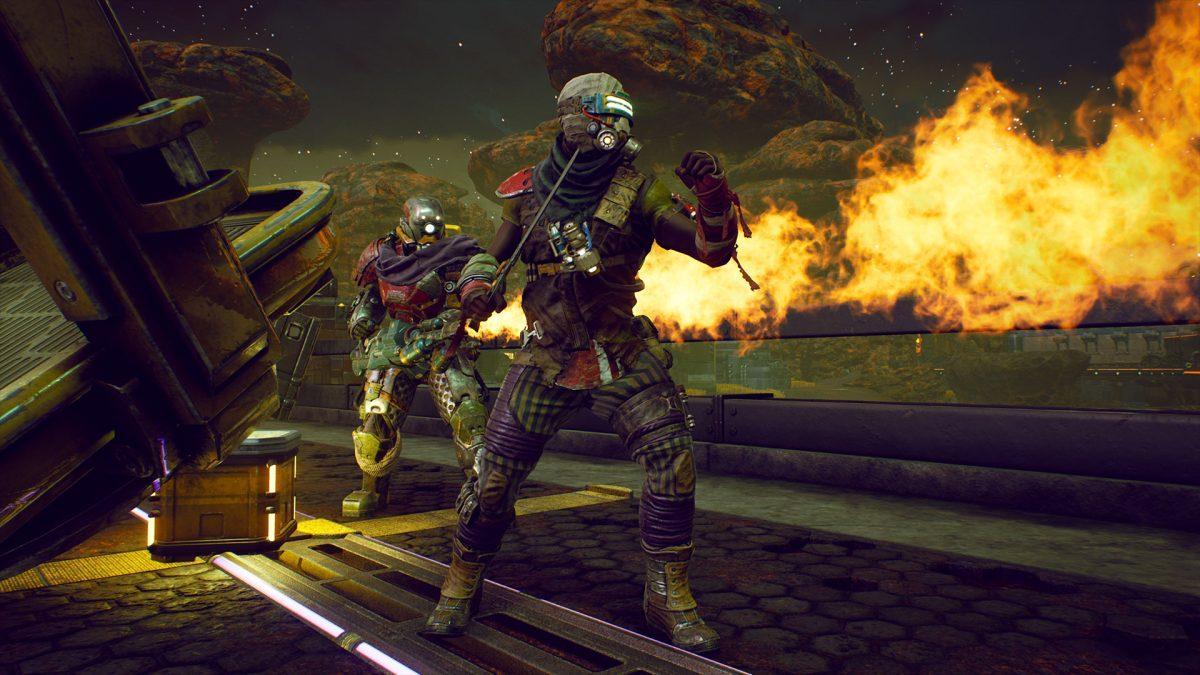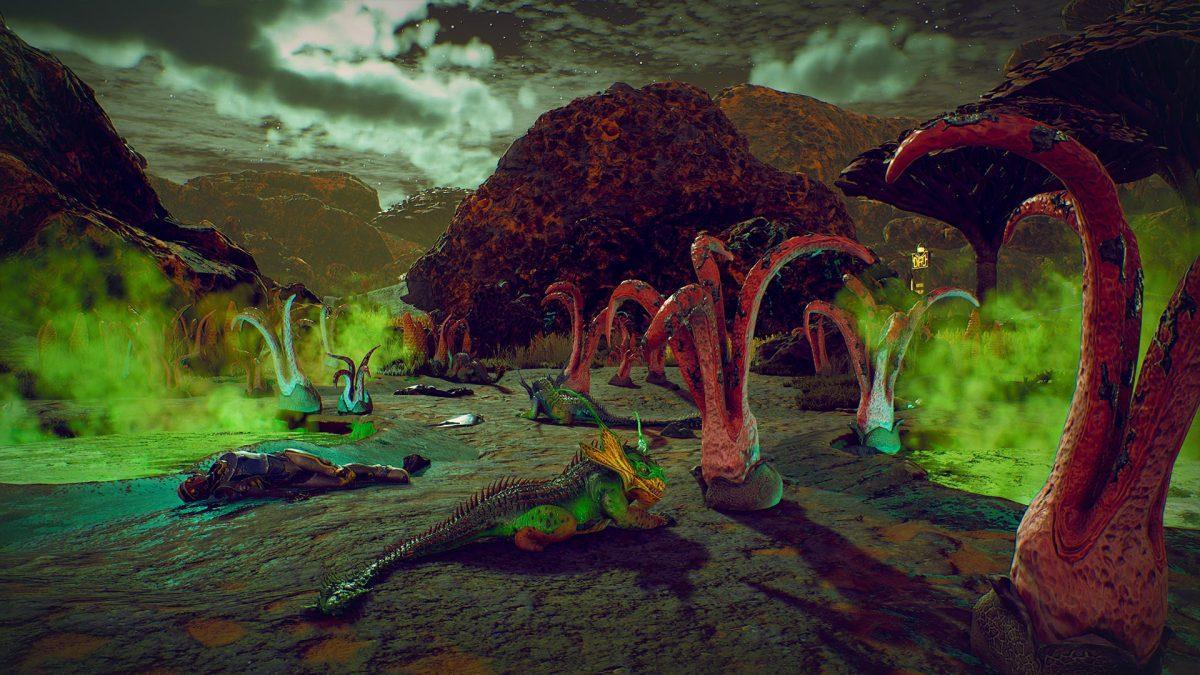
Space: the final frontier, or at least it felt that way before we had hundreds of movies and video games exploring it.
Regardless of its overabundance in popular culture, science fiction has always been one of my favorite genres; thus, when Obsidian Entertainment announced its newest game “The Outer Worlds,” I was cautiously optimistic.
As a former big fan of Bethesda and their games such as “The Elder Scrolls” and “Fallout,” “The Outer Worlds” looked like it might scratch the open world RPG shaped hole in my heart. However, there was also a good chance that the game would simply feel like a cheap “Fallout” knock off.
So, did the game hold up to expectations or let me down?
The year 2355 — Incredibly large media conglomerates and corporations control everything, desperately competing against each other for land and people’s lives. In order to colonize space, these corporations send large ships full of cryogenically frozen colonists into the deep reaches of the universe — namely, the Halcyon system.
When one of these ships is abandoned, all of its inhabitance are left to slowly die, completely unaware of their fate. An anti-corporation scientist named Phineas Vernon Welles discovers the ship and saves one of the colonists, sending them on a mission to save their fellow colonists and take on the corporations.
“The Outer Worlds” feels incredibly true to the RPG genre. The game truly is whatever you make it, with player choice playing a big part in how the story plays out. If you want to go along with Welles and take down the “evil” corporations, you can. Perhaps you want to buy into what the corporations are selling and become a company man, you can do that too.
This game truly lets you play however you want, which is increasingly rare in games today. Sure, many games tout their open worlds with “player choice” that will “affect the outcome of the story,” but generally these are hollow promises. In “The Outer Worlds,” however, your choices really affect how people treat you and the outcome of your personal story.
The game also features a pretty complicated skill and perk system. While leveling up, you can choose to make your character pretty much whatever you want.
In my case, I played a sly talking, intimidating gunslinger who didn’t take no for an answer. By funneling points into my dialogue, intimidation and ranged weapon skills, I was able to play exactly how I wanted.
Dialogue and writing are undoubtably where “The Outer Worlds” excels.
In many games, non-player characters usually feel like still, cardboard cutouts with little personality. This could not be further from the case with “The Outer Worlds.” Every character feels incredibly unique with long, intricate dialogue trees. You get a feeling for each character within minutes of meeting them, and it becomes very easy to become attached to them.
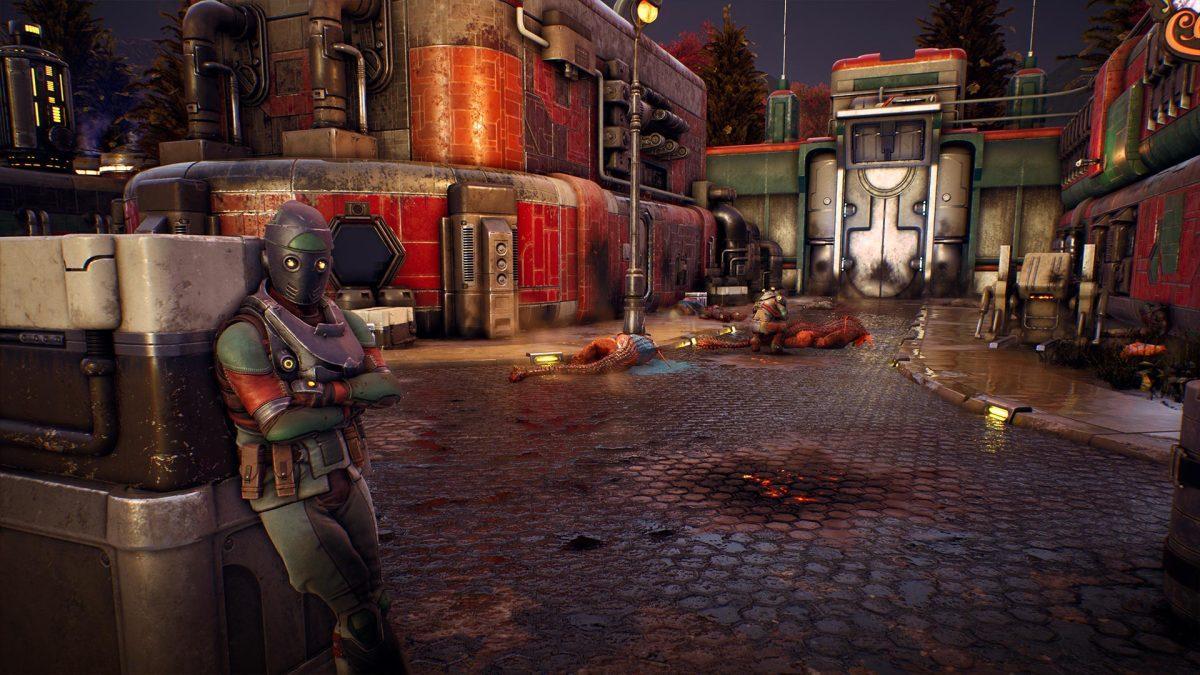
While the game isn’t particularly stunning graphically, at least on an Xbox One S, the character models still look particularly impressive. This adds to how easy it is to get attached to characters; while spending time as captain of the game’s ship The Unreliable I truly felt like the crew were my friends, and I was deeply invested in their personal stories.
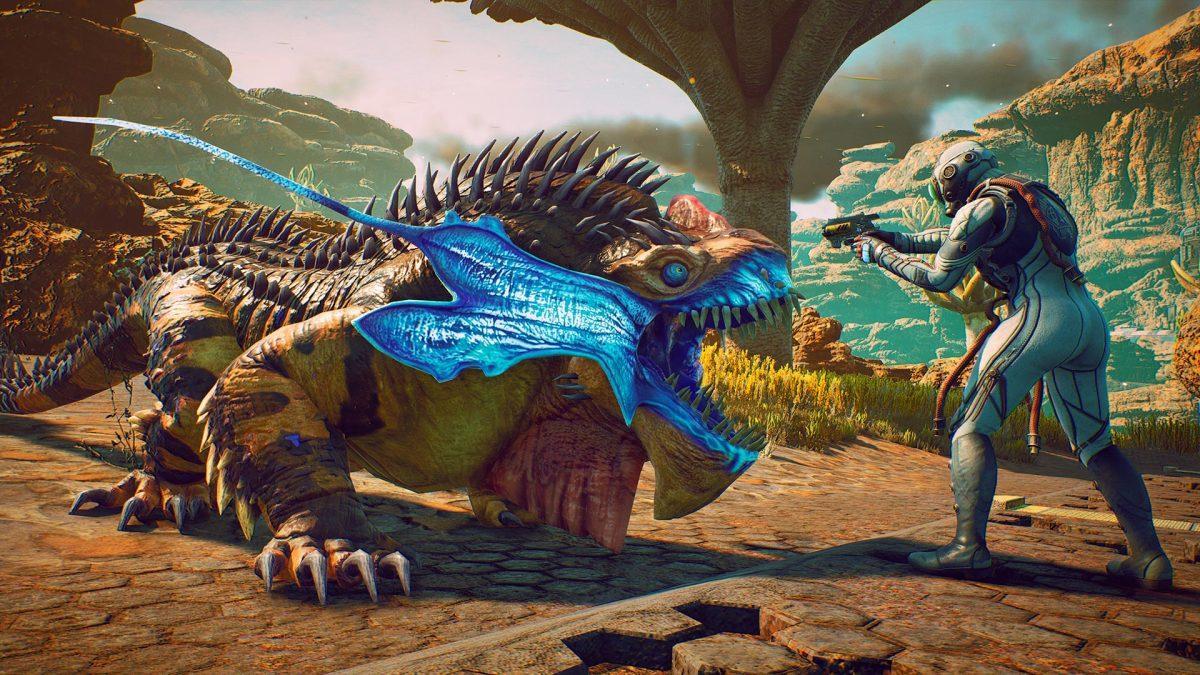
The game lacks, however, in combat. While not terrible, the game’s combat certainly feels as if it is lacking in polish. The gunplay feels just a little off, with kills and damage not having the impact that they should.
The game introduces its own version of the “V.A.T.S.” system from “Fallout,” slowing down time instead of stopping it. “Fallout” used this system to completely stop time in order to cover up its sloppy combat. However, in “The Outer Worlds,” the system only slows time. This really doesn’t help combat at all and feels a little unnecessary.
While many have complained about the relatively short game time; I think that the 20 to 25 hours it takes to beat the game is just enough. It doesn’t overstay its welcome, which is something that many games run the risk of doing with 60 plus hour campaigns. Additionally, one could certainly get many more hours out of the plethora of side content on each of the game’s planets if they wanted.
Overall, “The Outer Worlds” met all my expectations. While the game’s combat and graphics are slightly lacking, it completely makes up for this with brilliant writing and characters that immerse you into the world of Halcyon. Those looking for a game that delivers on its promises of player choice and immersion that won’t overstay it welcome will find everything they need in “The Outer Worlds.”
Game Reviewed on an Xbox One S.
8.5/10