Before I stepped foot in my first class at UT, I was already working for the Daily Beacon. I came in during the summer to try and find some work in the journalism field, thinking I could use the experience and that the work would be fun. Both of these things proved true, but that’s not really the point.
Deciding to leave my post at the Beacon, in a way, is like a graduation of sorts. While I won’t be done here at the university for another year, I have spent most of my college career here writing for this paper and have received as much of an education here as in any of the classes I’ve taken. The decision to move on is informed by a need to move on to the next step in my life, not unlike when one graduates and hopes to start a new career.
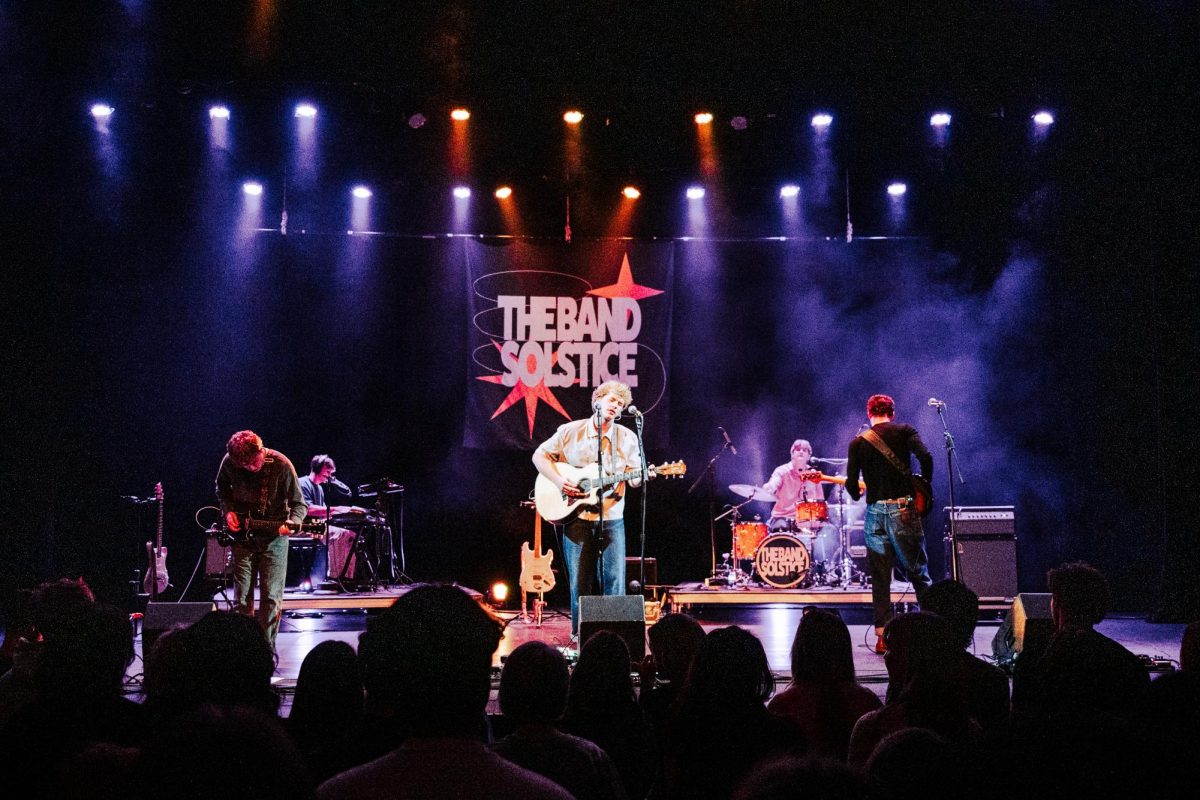
Since beginning as a production artist in the fall of 2008, I’ve encountered innumerable opportunities under the Beacon’s flag. From talking with various local restaurateurs while building dining guides to running frantically back and forth to various concerts at this year’s Bonnaroo and Big Ears festivals, trying to absorb as much action as possible to report back to the Beacon audience, the lessons that I have been able to glean from the work that I’ve had the pleasure of undertaking have endowed me with priceless life experience I hope to build on in journalism or whatever field I find my calling in creatively.
Writing about entertainment and art was always my goal when I got to the Beacon. I’ve written my entire life, always about those things that have captivated my mind and inspired me to want to create art of my own. When writing for other people, one encounters types of music or films, even books, that may not appeal to their own interests (or obsessions), yet they are able to grow and find new outlets for inspiration in the world.
There have been stories over the past year or so that I begrudged myself to write, just because I didn’t see the point in wasting the readers’ time on material I found to be largely uninteresting. But therein lies the purpose of a journalist, student or not. As tradesmen we are confined largely to fact, unless one embarks on a self-serving editorial such as this.
However, the principle that is most important to any journalist is that the power of the written word, the currency in which our stories trade with the intellect of the reader, is how we use the facts given to inform the reader. As an impassioned and opinionated person, it is always my intent to make the reader feel something. As a journalist, I ascribe to neither political party nor any one ideology, but hope that my words will make the reader want to do the right thing.
The downfall of journalism, when observed by our descendants in years to come, will be the reactionary punditry that has infiltrated and redefined the trade over the last half-century, not to mention named one of the greatest bands in history, and Radiohead by proxy. It’s no easy feat to approach a topic like art without such partisan vitriol, but I have made an attempt to reign it in since taking this position, and take the ability to do so as the greatest lesson I have learned in my years at UT. Just remember, don’t be the guy on YouTube who drinks a bottle of Patron in 12 seconds, and if you do, call me. Good luck, Will.